
SHANGYANG TECHNOLOGY CO.,LTD
SHANGYANG TECHNOLOGY CO.,LTD
The beauty industry continues to expand at an unprecedented rate, with eye brushes representing one of the most essential and profitable segments within the makeup tools market. Creating your own line of eye brushes requires careful planning, strategic partnerships, and deep understanding of consumer preferences. Professional makeup artists and beauty enthusiasts alike demand high-quality eye brushes that deliver precision, durability, and exceptional performance across various eye makeup applications.
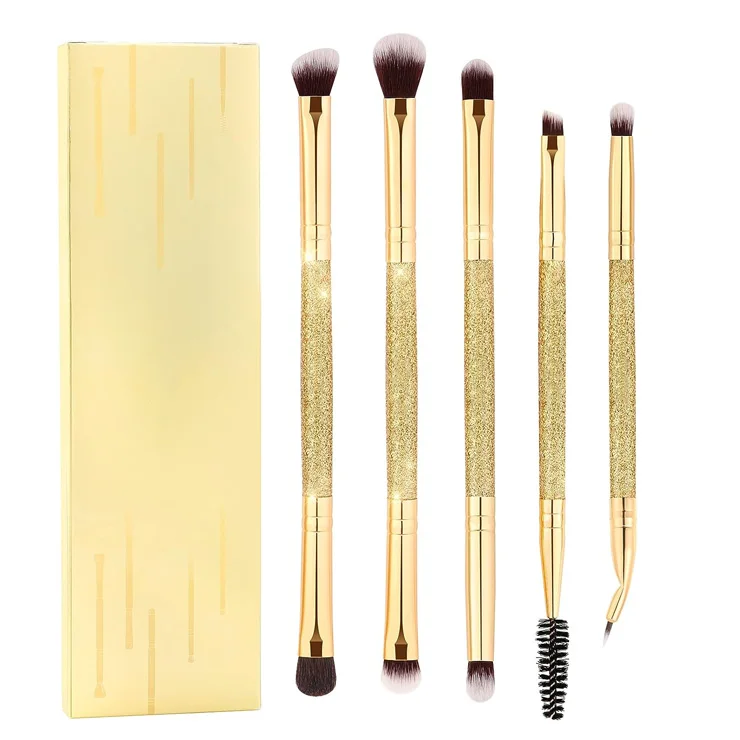
Developing a successful eye brush collection involves multiple considerations, from selecting appropriate bristle materials to designing ergonomic handles that enhance user experience. The global makeup brush market has witnessed substantial growth, with consumers increasingly seeking specialized tools for intricate eye makeup techniques. Understanding market dynamics, manufacturing processes, and quality standards becomes crucial for entrepreneurs looking to establish their brand in this competitive landscape.
Successful eye brush development begins with comprehensive market research to identify target demographics and their specific needs. Professional makeup artists require eye brushes with superior precision and longevity, while everyday consumers prioritize affordability and ease of use. Analyzing consumer feedback, social media trends, and competitor offerings provides valuable insights into market gaps and opportunities for innovation.
Different age groups exhibit varying preferences for eye brush characteristics, with younger consumers often seeking trendy designs and social media-worthy packaging. Meanwhile, mature customers typically prioritize functionality, quality construction, and value for money. Understanding these nuances enables brands to develop targeted product lines that resonate with specific market segments.
Conducting thorough competitive analysis reveals market positioning opportunities and helps identify unique selling propositions for new eye brush collections. Examining established brands' pricing strategies, product features, and marketing approaches provides valuable benchmarks for new entrants. This analysis should encompass both premium luxury brands and affordable drugstore options to understand the complete market spectrum.
Market positioning involves defining your brand's unique value proposition and communicating it effectively to target consumers. Whether focusing on professional-grade eye brushes for makeup artists or user-friendly options for beginners, clear positioning guides all subsequent product development and marketing decisions.
Choosing appropriate bristle materials represents one of the most critical decisions in eye brush development. Natural bristles, typically sourced from various animal hair types, offer superior powder pickup and blending capabilities for powder-based eye makeup products. Synthetic bristles, manufactured from advanced fibers, excel with cream and liquid formulations while providing consistent performance and easier maintenance.
The selection of bristle materials directly impacts the performance characteristics of eye brushes and influences manufacturing costs. Premium natural bristles command higher prices but deliver exceptional blending capabilities, while high-quality synthetic alternatives offer excellent performance at more accessible price points. Understanding the advantages and limitations of different bristle types enables informed decision-making during the design phase.
Handle design significantly affects user experience and overall satisfaction with eye brushes. Ergonomic considerations include handle length, diameter, weight distribution, and surface texture to ensure comfortable grip during extended use. Professional makeup artists often prefer longer handles for better control and precision, while travel-friendly collections may feature shorter, more compact designs.
Material choices for handles range from sustainable wood options to modern aluminum and plastic alternatives. Each material offers distinct advantages in terms of durability, weight, and aesthetic appeal. Surface treatments, such as matte finishes or textured grips, enhance functionality while contributing to the overall brand aesthetic and user experience.
Establishing relationships with reliable manufacturing partners is essential for producing high-quality eye brushes that meet brand standards and consumer expectations. Evaluating potential manufacturers involves assessing their production capabilities, quality control systems, compliance with international standards, and track record with similar products. Site visits and sample evaluations provide crucial insights into manufacturing processes and quality consistency.
Communication and collaboration with manufacturing partners throughout the development process ensures that design specifications are accurately translated into finished products. Clear documentation of requirements, regular progress reviews, and prototype testing help maintain quality standards and prevent costly production issues. Building strong partnerships with manufacturers creates opportunities for ongoing innovation and product improvement.
Implementing comprehensive quality assurance standards ensures consistent performance and durability across all eye brushes in your collection. Testing protocols should evaluate bristle shedding, ferrule security, handle durability, and overall construction quality. Regular quality audits and batch testing help maintain standards and identify potential issues before products reach consumers.
Documentation of quality standards and testing procedures provides transparency and builds consumer confidence in your eye brush brand. Establishing clear acceptance criteria and rejection protocols helps maintain consistency and protects brand reputation. Investment in quality assurance ultimately reduces returns, warranty claims, and negative customer feedback.
A comprehensive eye brush collection should include essential brush types that address various makeup application techniques. Shader brushes for eyeshadow application, blending brushes for seamless color transitions, liner brushes for precise definition, and detail brushes for highlighting represent core components of any professional eye brush set. Each brush type serves specific functions and requires unique design considerations.
Understanding the relationship between brush shape, bristle density, and intended application helps optimize performance characteristics for each brush in the collection. Dense, flat brushes excel at packing color onto the lid, while fluffy blending brushes create smooth transitions between colors. Specialized brushes for specific techniques, such as smudging or precision highlighting, can differentiate your collection from competitors.
Determining optimal collection sizes involves balancing comprehensive functionality with market accessibility and pricing considerations. Starter sets with essential eye brushes appeal to beginners and budget-conscious consumers, while professional collections with specialized tools target serious makeup enthusiasts and working artists. Offering multiple collection sizes allows brands to serve different market segments effectively.
Pricing strategy for eye brushes should reflect manufacturing costs, target margins, and competitive positioning while remaining accessible to intended consumers. Premium positioning commands higher prices but requires superior quality and performance to justify the investment. Value positioning focuses on delivering excellent functionality at competitive prices, often requiring efficient manufacturing and streamlined product offerings.
Developing compelling brand identity and packaging design helps differentiate your eye brushes in a crowded marketplace. Visual elements, including logos, color schemes, and typography, should align with target consumer preferences and brand positioning. Packaging serves both protective and promotional functions, influencing purchase decisions and user experience from initial contact through ongoing use.
Sustainable packaging options increasingly appeal to environmentally conscious consumers and can provide competitive advantages. Innovative packaging designs that enhance functionality, such as protective cases or travel-friendly storage solutions, add value and justify premium pricing for eye brushes. Consistency across all brand touchpoints reinforces brand recognition and builds consumer loyalty.
Successful launch campaigns for eye brushes require coordinated efforts across multiple marketing channels to build awareness and drive initial sales. Social media platforms, particularly Instagram and TikTok, provide excellent opportunities to showcase eye brush performance through makeup tutorials and artist collaborations. Influencer partnerships can generate authentic endorsements and expand reach to targeted demographics.
Trade shows and professional events offer valuable opportunities to introduce new eye brushes to makeup artists, beauty retailers, and industry professionals. Product sampling programs allow potential customers to experience brush quality and performance firsthand, often leading to purchase decisions and word-of-mouth recommendations. Launch timing should consider seasonal trends, competitor activities, and optimal market conditions.
Establishing strong online presence is essential for modern eye brush brands, with e-commerce platforms providing direct access to consumers worldwide. Professional website development should showcase product features, demonstrate applications, and facilitate seamless purchasing experiences. High-quality product photography and educational content help consumers understand brush capabilities and make informed purchase decisions.
Marketplace integration with platforms such as Amazon, eBay, and beauty-specific retailers expands distribution reach and provides additional sales channels. Each platform requires tailored approaches to product listings, pricing strategies, and customer service to maximize performance. Cross-platform inventory management and order fulfillment systems ensure consistent customer experiences across all channels.
Building relationships with beauty retailers creates opportunities for broader market penetration and enhanced brand credibility. Beauty supply stores, department stores, and specialty makeup retailers each serve different consumer segments and require customized partnership approaches. Understanding retailer requirements, margin expectations, and promotional support needs facilitates successful partnership development.
Professional relationships with makeup artist suppliers and beauty schools can generate ongoing demand for eye brushes while building brand recognition within the professional community. These partnerships often provide valuable feedback for product improvement and opportunities for new product development based on professional user needs.
The best bristle materials for eye brushes depend on intended applications and personal preferences. Natural bristles, such as goat or squirrel hair, excel at picking up and blending powder products, providing smooth application and seamless color transitions. Synthetic bristles work exceptionally well with cream and liquid products, offer consistent performance, and are easier to clean and maintain.
Pricing for eye brushes should consider manufacturing costs, target profit margins, competitive positioning, and perceived value among target consumers. Premium collections with superior materials and craftsmanship can command higher prices, while value-oriented lines focus on delivering excellent performance at accessible price points. Market research and competitor analysis provide important benchmarks for pricing decisions.
Quality eye brushes should demonstrate minimal shedding, secure ferrule attachment, comfortable handle ergonomics, and consistent performance over extended use. Bristles should maintain their shape after cleaning, handles should resist cracking or damage, and overall construction should meet durability expectations. Regular testing and quality control measures ensure products meet established standards.
Developing a comprehensive eye brush line typically requires six to twelve months from initial concept to market launch. This timeline includes market research, design development, prototype creation, manufacturer selection, quality testing, production setup, and launch preparation. Complex collections or innovative designs may require additional development time to ensure optimal performance and quality standards.
 EN
EN
 AR
AR BG
BG HR
HR CS
CS DA
DA NL
NL FI
FI FR
FR DE
DE EL
EL HI
HI IT
IT JA
JA KO
KO NO
NO PL
PL PT
PT RO
RO RU
RU ES
ES SV
SV CA
CA TL
TL IW
IW ID
ID LV
LV LT
LT SR
SR SK
SK SL
SL UK
UK VI
VI SQ
SQ ET
ET GL
GL HU
HU TH
TH TR
TR