
SHANGYANG TECHNOLOGY CO.,LTD
SHANGYANG TECHNOLOGY CO.,LTD
The beauty industry continues to evolve rapidly, and brands seeking to establish their presence in this competitive market are increasingly turning to OEM face brushes as a strategic growth catalyst. These customizable beauty tools represent more than just makeup applicators – they're powerful brand-building assets that can significantly impact a company's market position and revenue streams.
In today's beauty landscape, private label brands are experiencing unprecedented growth, and OEM face brushes play a crucial role in this expansion. By partnering with experienced manufacturers, businesses can create unique, high-quality beauty tools that align perfectly with their brand identity while maintaining control over quality, design, and pricing.
When brands choose to work with OEM face brush manufacturers, they gain access to established production facilities and expertise without the substantial upfront investment required to set up manufacturing operations. This approach allows businesses to allocate resources more efficiently, focusing on marketing and distribution while leaving the technical aspects of production to specialized partners.
Manufacturing partners typically offer flexible minimum order quantities, enabling brands to start conservatively and scale up as demand grows. This scalability proves particularly valuable for emerging private label brands testing new markets or product lines.
OEM face brushes offer extensive customization options that help private labels create distinctive products. From handle designs and brush head shapes to packaging and brand elements, every aspect can be tailored to reflect the brand's unique identity and market positioning.
The ability to customize extends beyond aesthetics – brands can specify materials, bristle types, and manufacturing processes to ensure their products meet specific performance requirements and price points. This level of control helps maintain consistency across product lines while differentiating from competitors.
Reputable OEM face brush manufacturers maintain strict quality control processes and comply with international safety standards. They typically hold certifications such as ISO 9001 and implement rigorous testing protocols to ensure product safety and performance.
These manufacturers also stay current with regulatory requirements in different markets, helping private labels navigate complex compliance landscapes. This expertise is particularly valuable for brands planning international expansion.
Working with established OEM manufacturers provides access to the latest innovations in brush technology and materials. These partners often conduct market research and develop new solutions that private labels can incorporate into their product lines.
Manufacturers frequently introduce eco-friendly materials and sustainable production methods, allowing brands to meet growing consumer demand for environmentally conscious beauty tools.
OEM face brushes enable private labels to quickly develop comprehensive product ranges. Manufacturers typically offer diverse brush styles and configurations, allowing brands to create cohesive collections that address various makeup application needs.
This variety helps brands capture different market segments and price points, from entry-level brush sets to premium professional tools. The ability to launch multiple products simultaneously accelerates market penetration and brand recognition.
Private labels working with OEM manufacturers often benefit from established logistics networks and shipping expertise. This infrastructure supports efficient distribution across various channels, from traditional retail to e-commerce platforms.
Manufacturers may also provide valuable insights into market-specific packaging requirements and shipping regulations, facilitating smooth entry into new territories.
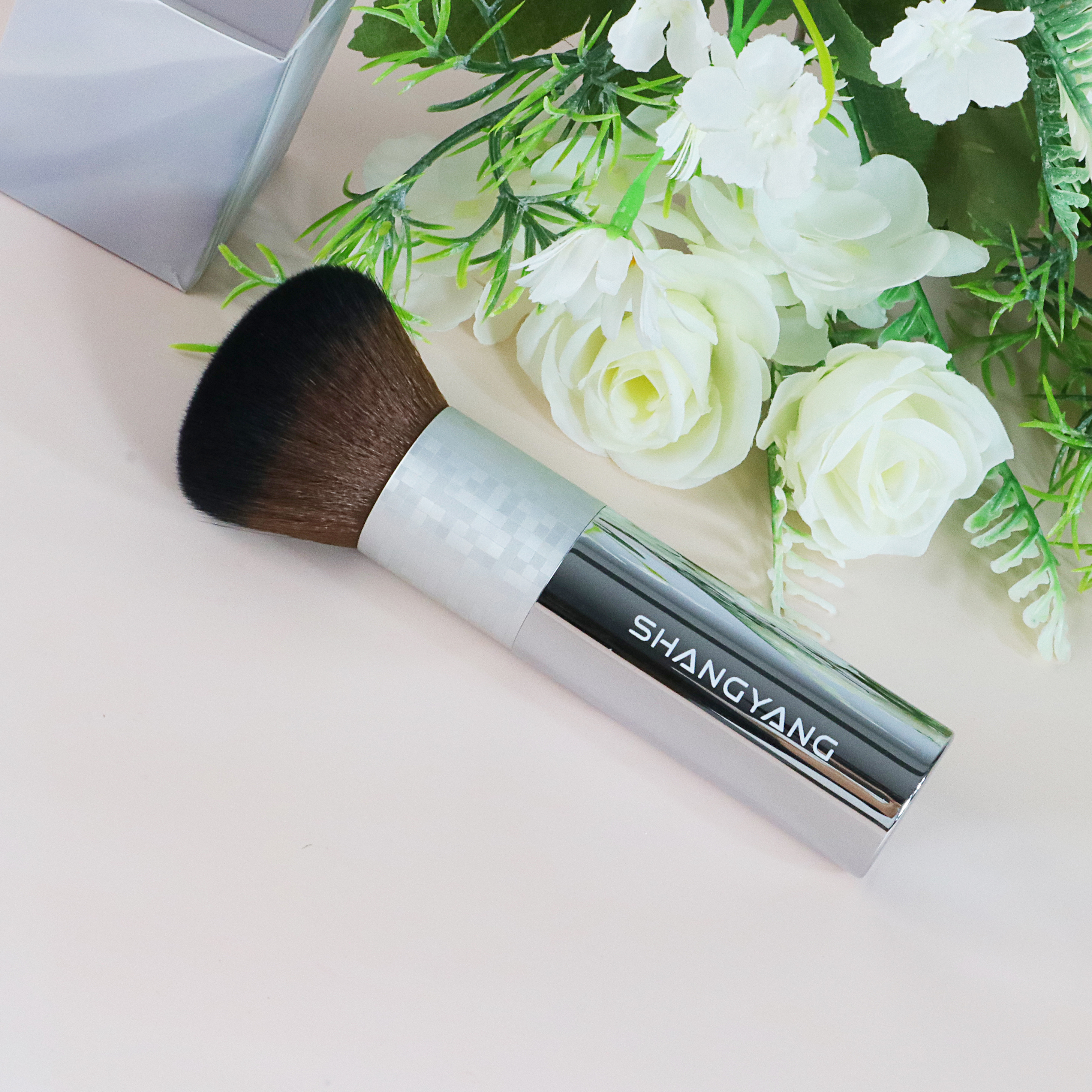
As private labels grow, OEM face brush manufacturers can adjust production capacity to meet increasing demand. This scalability ensures consistent product availability and helps brands maintain market momentum.
Manufacturers often offer inventory management solutions and can maintain safety stock levels to prevent stockouts during peak periods or promotional campaigns.
Successful OEM partnerships involve ongoing collaboration to enhance products and processes. Manufacturers frequently share industry insights and technical innovations that help private labels stay competitive and relevant.
Regular feedback loops between brands and manufacturers lead to product refinements and new development opportunities, supporting long-term growth and market adaptation.
Minimum order quantities vary by manufacturer but typically range from 500 to 1000 pieces per SKU. Some manufacturers offer lower MOQs for initial orders or product testing, with quantities increasing for regular production runs.
The development timeline usually spans 4-8 weeks, including design approval, sample production, and testing. Complex customizations or special materials may require additional time. Production typically begins after final sample approval.
Customization options include brush head shape and size, handle material and design, bristle type and density, color schemes, packaging design, and branding elements. Manufacturers can also develop unique features based on specific requirements.
Quality assurance involves multiple testing stages, including material inspection, production monitoring, and finished product evaluation. Manufacturers maintain quality management systems, conduct regular audits, and obtain necessary safety certifications for different markets.
 EN
EN
 AR
AR BG
BG HR
HR CS
CS DA
DA NL
NL FI
FI FR
FR DE
DE EL
EL HI
HI IT
IT JA
JA KO
KO NO
NO PL
PL PT
PT RO
RO RU
RU ES
ES SV
SV CA
CA TL
TL IW
IW ID
ID LV
LV LT
LT SR
SR SK
SK SL
SL UK
UK VI
VI SQ
SQ ET
ET GL
GL HU
HU TH
TH TR
TR