
SHANGYANG TECHNOLOGY CO.,LTD
SHANGYANG TECHNOLOGY CO.,LTD
Achieving precise and consistent lip color is one of the most challenging steps in any makeup routine. Whether you are a professional makeup artist or a beauty brand developing your own tool line, using the right lip brush makes a significant difference in how cleanly and evenly color is applied. A lip brush gives you control that no applicator tip or finger can replicate.
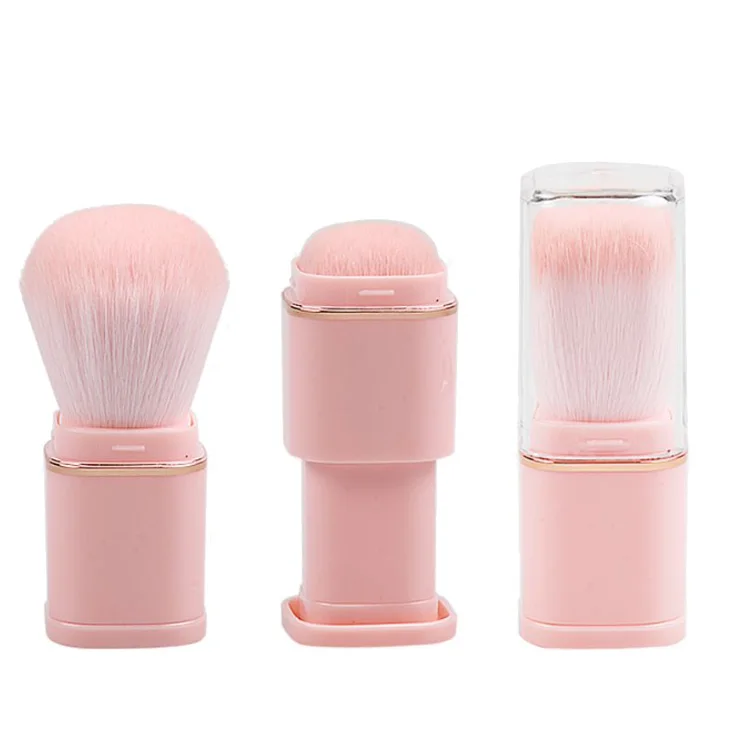
A quality lip brush is engineered specifically to follow the natural contour of the lips, pick up pigment evenly, and deposit color with consistent pressure. When you understand how a lip brush functions and how to use it correctly, you unlock a level of precision and repeatability that elevates any lip look from average to polished. This guide walks through the key practices and product qualities that ensure your lip brush delivers consistent results every time.
The bristles of a lip brush are the single most important factor in color consistency. A lip brush with soft, tightly packed synthetic bristles holds product without absorbing too much of it, releasing pigment evenly across the lip surface. When bristles are too sparse or too stiff, the lip brush applies uneven pressure, resulting in patchy color or hard lines. High-quality synthetic fibers used in a professional lip brush are designed to mimic the performance of natural hair while remaining easier to clean and more resistant to color retention between uses.
A well-constructed lip brush also has a firm enough core to maintain its shape during application. If the bristles of a lip brush splay outward under pressure, the tip loses its precision edge and the outline of the lip becomes blurred. The ferrule, which is the metal band that holds the bristles together, must be tightly crimped so that the lip brush does not shed or lose its structured shape over time. For professional-grade work, bristle quality in a lip brush is non-negotiable.
A square or flat lip brush is widely considered the most versatile shape for consistent color application. The flat edge of this type of lip brush allows you to press color into the lip surface with even coverage, while the corners allow for precise definition along the cupid's bow and the outer edges. A tapered or pointed lip brush is better suited for detailed lining, while a flat square lip brush can perform both filling and definition in a single tool. Choosing the right lip brush shape for your specific technique is essential to achieving repeatable results.
Before picking up your lip brush, preparing the lip surface significantly improves how evenly color applies. Exfoliating and moisturizing the lips removes dry flakes and creates a smooth base. A lip brush performs best on a hydrated, even surface because the bristles can glide without catching on rough patches. Applying a thin layer of lip balm and allowing it to absorb before using a lip brush ensures that the first stroke of color goes on smoothly and does not pull or drag.
Blotting away any excess balm with a tissue before you begin with your lip brush is also recommended. Too much moisture on the lip surface can cause the pigment to slip, making the lip brush harder to control. The goal is a surface that is smooth but not slick, giving the lip brush enough grip to deposit color precisely.
Loading your lip brush correctly is just as important as the application itself. When using a lip brush with a bullet lipstick, press the flat edge of the lip brush lightly against the product and draw it across slowly to pick up an even layer of pigment. Avoid overloading the lip brush, as excess product leads to bleeding and uneven buildup. A lip brush loaded with the right amount of product gives you clean, controlled strokes from the very first pass.
Begin applying color with your lip brush by outlining the upper lip first, starting from the center point of the cupid's bow and working outward. Then use the lip brush to fill in the upper lip with short, pressing strokes rather than long sweeping ones. Repeat the same process on the lower lip. Short, deliberate strokes with a lip brush build color more evenly and allow you to layer without streaking. After both lips are filled, blot gently and apply a second pass with the lip brush to increase opacity and durability.
A lip brush that is not cleaned regularly loses its ability to apply color consistently. Leftover pigment in the bristles of a lip brush alters the color of the next shade applied and can stiffen the fibers over time, reducing their flexibility and smoothness. Cleaning your lip brush after every use with a gentle brush cleanser or mild soap removes residual product and restores the bristle softness that ensures even application. Allow the lip brush to dry flat or with bristles facing downward so water does not enter the ferrule and loosen the adhesive holding the bristles in place.
Proper storage is essential for maintaining the shape of a lip brush over time. Storing a lip brush with the bristle end facing upward in a brush holder prevents the tip from bending or splaying. Avoid placing a lip brush loose at the bottom of a makeup bag where it can be crushed by other tools. A lip brush that retains its original shape will continue to perform consistently application after application, which is why storage is as important as cleaning. For beauty brands offering a custom lip brush, providing a protective cap or sleeve reinforces product quality and helps the end user preserve the tool correctly.
Soft synthetic bristles are the best choice for a lip brush used in professional or daily settings. Synthetic fibers are easy to clean, hold their shape well, and deposit pigment evenly without absorbing excessive product, making them ideal for consistent color application with a lip brush.
A lip brush should ideally be cleaned after every use, especially when switching between shades. Regular cleaning keeps the bristles of the lip brush soft, prevents color contamination, and ensures that each application delivers the true, intended pigment without mixing residual shades.
Yes, a flat square lip brush can effectively perform both lining and filling tasks. The flat edge of this lip brush style fills large areas evenly, while the firm corners create clean definition along the lip line, making it a highly versatile single tool for complete lip color application.
 EN
EN
 AR
AR BG
BG HR
HR CS
CS DA
DA NL
NL FI
FI FR
FR DE
DE EL
EL HI
HI IT
IT JA
JA KO
KO NO
NO PL
PL PT
PT RO
RO RU
RU ES
ES SV
SV CA
CA TL
TL IW
IW ID
ID LV
LV LT
LT SR
SR SK
SK SL
SL UK
UK VI
VI SQ
SQ ET
ET GL
GL HU
HU TH
TH TR
TR