
SHANGYANG TECHNOLOGY CO.,LTD
SHANGYANG TECHNOLOGY CO.,LTD
Establishing a successful partnership with a lip brush factory for private label manufacturing requires strategic planning and careful evaluation of multiple operational factors. The private label cosmetics market has experienced unprecedented growth, with beauty brands increasingly seeking reliable manufacturing partners to create custom lip brush collections that reflect their unique brand identity and quality standards.
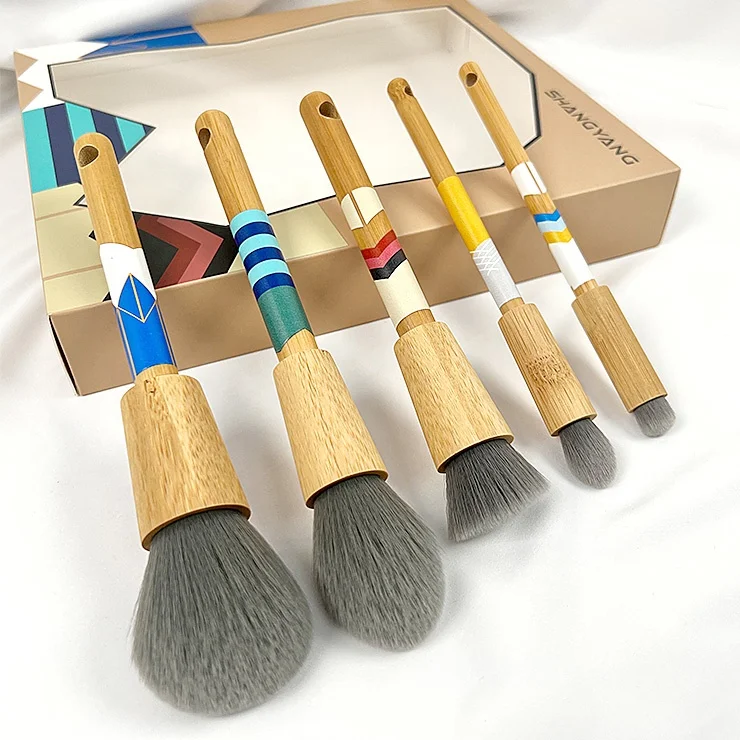
Working with a specialized lip brush factory enables beauty entrepreneurs to access professional manufacturing capabilities without the substantial capital investment required for in-house production facilities. This collaborative approach allows brands to focus on marketing, distribution, and customer relationships while leveraging the technical expertise and production efficiency of established manufacturing partners in the cosmetic tools industry.
Before approaching any lip brush factory, establish clear product specifications that align with your brand positioning and target market expectations. Consider the brush head shape, bristle material preferences, handle design requirements, and overall aesthetic vision for your private label collection. Document these specifications in detail, including preferred dimensions, color schemes, and any unique functional features that differentiate your products from competitors.
Quality standards represent another critical specification area when partnering with a lip brush factory. Define acceptable tolerances for bristle shedding, handle durability, ferrule attachment strength, and overall product consistency. Establish performance benchmarks that your manufacturing partner must meet throughout the production process to ensure consistent quality across all units in your private label order.
Navigate the complex regulatory landscape surrounding cosmetic tool manufacturing by understanding applicable safety standards and certification requirements in your target markets. A qualified lip brush factory should demonstrate familiarity with relevant regulations such as FDA guidelines for cosmetic accessories, EU safety standards, and other regional compliance requirements that affect product importation and distribution.
Verify that your potential manufacturing partner maintains proper documentation for all raw materials used in lip brush production, including certificates of compliance for synthetic and natural bristle materials. Request detailed information about their quality control procedures and testing protocols to ensure consistent adherence to regulatory standards throughout the manufacturing process.
Assess the production capacity of prospective lip brush factory partners to ensure they can accommodate your current order volumes and future growth projections. Request detailed information about their manufacturing equipment, daily production rates, and ability to scale operations during peak demand periods. Understanding these capabilities prevents potential supply chain disruptions and ensures reliable product availability for your customers.
Evaluate the factory's experience with similar private label projects by reviewing case studies, client testimonials, and examples of completed work. A reputable lip brush factory should provide transparent information about their track record with projects of similar scope and complexity to your requirements.
Examine the quality control infrastructure maintained by potential manufacturing partners to ensure consistent product quality throughout large-scale production runs. Request detailed documentation of their inspection procedures, testing methodologies, and quality assurance protocols that govern each stage of the lip brush manufacturing process.
Inquire about their approach to handling quality issues, including procedures for identifying defective products, implementing corrective measures, and preventing similar problems in future production cycles. A professional lip brush factory should maintain comprehensive quality management systems that support continuous improvement and defect prevention.
Develop a comprehensive understanding of pricing structures offered by different lip brush factory options, including unit costs, tooling fees, setup charges, and minimum order requirements. Compare pricing across multiple manufacturers while considering factors such as quality levels, production timelines, and included services to identify the best value proposition for your private label project.
Negotiate volume-based pricing tiers that provide cost advantages as your order quantities increase over time. Many lip brush factory partners offer graduated pricing structures that reward larger commitments with reduced per-unit costs, enabling better profit margins as your private label business scales.
Establish clear intellectual property protections within your manufacturing agreement to safeguard proprietary designs, branding elements, and innovative features developed for your private label lip brush collection. Ensure that your selected lip brush factory agrees to confidentiality provisions and restrictions on sharing your designs with other clients or competitors.
Include specific clauses addressing ownership of custom tooling, molds, and production equipment created specifically for your projects. Clarify whether these assets remain with the manufacturer or transfer to your ownership after completion of the initial production run.
Establish robust communication protocols with your chosen lip brush factory partner to ensure smooth coordination throughout the production process. Define regular update schedules, preferred communication channels, and escalation procedures for addressing urgent issues or changes to project requirements.
Implement milestone-based reporting systems that provide visibility into production progress, quality metrics, and timeline adherence. Regular communication helps identify potential issues early and enables proactive problem-solving before they impact delivery schedules or product quality.
Develop comprehensive sample approval procedures that allow thorough evaluation of prototypes before authorizing full-scale production. Work closely with your lip brush factory partner to refine designs, materials, and manufacturing techniques through iterative sampling rounds until the final product meets all specifications and quality standards.
Document all approved samples and maintain detailed records of any changes made during the development process. This documentation serves as a reference point for production quality control and helps ensure consistency across all units manufactured for your private label collection.
Implement systematic performance monitoring approaches to evaluate your lip brush factory partner's ongoing delivery against established service level agreements and quality standards. Track key performance indicators such as on-time delivery rates, defect levels, communication responsiveness, and overall customer satisfaction metrics.
Conduct regular business reviews with your manufacturing partner to discuss performance trends, identify improvement opportunities, and align on future project requirements. These structured discussions help maintain productive working relationships and drive continuous improvement in manufacturing processes and service delivery.
Invest in building strong personal relationships with key personnel at your chosen lip brush factory to facilitate better collaboration and problem-solving capabilities. Regular facility visits, team meetings, and informal interactions help develop mutual understanding and trust that supports successful long-term partnerships.
Consider your manufacturing partner as an extension of your internal team rather than simply a vendor relationship. Share relevant market insights, customer feedback, and business objectives to help them better understand your needs and contribute strategic value beyond basic manufacturing services.
Most professional lip brush factory partners require minimum order quantities ranging from 1,000 to 10,000 units per design, depending on the complexity of customization and manufacturing setup requirements. Higher customization levels typically require larger minimum orders to justify tooling and setup investments.
The complete production timeline from initial design approval to finished product delivery typically ranges from 4 to 8 weeks, depending on order complexity and current factory capacity. This timeframe includes sample development, production setup, manufacturing, quality control, and shipping preparation phases.
Look for manufacturing partners with relevant quality management certifications such as ISO 9001, FDA registration for cosmetic accessory manufacturing, and compliance with applicable safety standards in your target markets. These certifications demonstrate commitment to systematic quality control and regulatory compliance.
Many lip brush factory partners offer exclusive manufacturing agreements for specific designs or product categories, typically requiring higher minimum order commitments and longer-term contracts. Exclusive arrangements provide greater control over product availability and design protection but may involve premium pricing compared to non-exclusive manufacturing relationships.
 EN
EN
 AR
AR BG
BG HR
HR CS
CS DA
DA NL
NL FI
FI FR
FR DE
DE EL
EL HI
HI IT
IT JA
JA KO
KO NO
NO PL
PL PT
PT RO
RO RU
RU ES
ES SV
SV CA
CA TL
TL IW
IW ID
ID LV
LV LT
LT SR
SR SK
SK SL
SL UK
UK VI
VI SQ
SQ ET
ET GL
GL HU
HU TH
TH TR
TR