
SHANGYANG TECHNOLOGY CO.,LTD
SHANGYANG TECHNOLOGY CO.,LTD
As consumer awareness of environmental issues continues to grow, the beauty and skincare industry faces increasing pressure to adopt sustainable practices throughout their supply chains. For brands looking to meet the demands of eco-conscious consumers, sourcing sustainable skincare brushes has become not just an ethical choice but a strategic business imperative. Modern consumers actively seek products that align with their values, and skincare brushes made from renewable materials with responsible manufacturing processes represent a significant opportunity for brands to differentiate themselves in a crowded marketplace while contributing to environmental preservation.
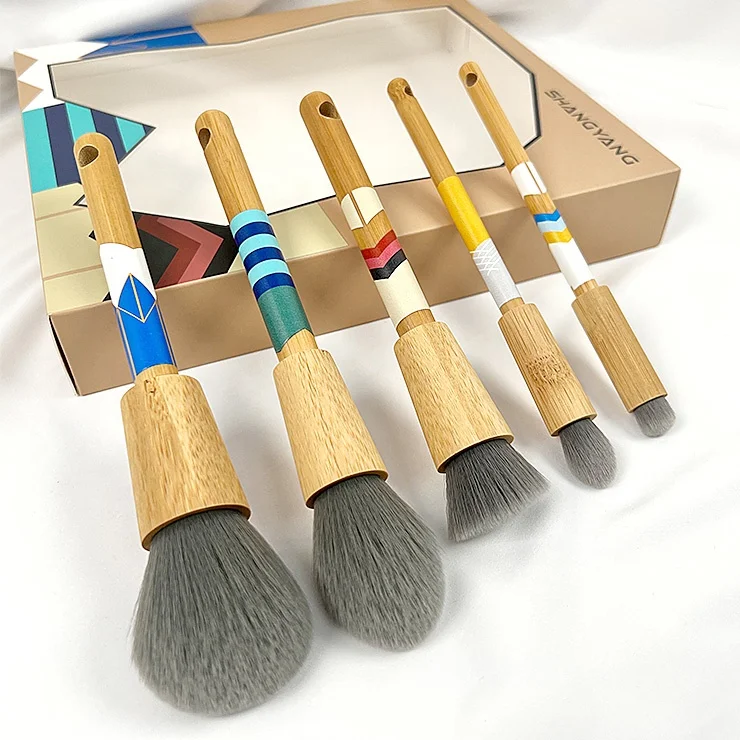
Successfully sourcing sustainable skincare brushes requires a comprehensive understanding of material options, supplier evaluation criteria, certification requirements, and the evolving expectations of your target market. This guide provides beauty brands, retailers, and procurement professionals with a structured approach to identifying, vetting, and partnering with suppliers who can deliver high-quality sustainable skincare brushes that meet both environmental standards and consumer performance expectations. By following these strategic sourcing practices, businesses can build a supply chain that supports long-term sustainability goals while maintaining product quality and profitability.
The handle material forms the foundation of sustainable skincare brushes, and selecting the right option significantly impacts the overall environmental footprint of your product. Bamboo has emerged as the leading choice for eco-friendly brush handles due to its rapid growth cycle, minimal water requirements, and natural antibacterial properties. Unlike traditional hardwoods that take decades to mature, bamboo reaches harvest maturity in just three to five years, making it a highly renewable resource. When sourcing bamboo handles, verify that your supplier sources from sustainably managed forests and can provide documentation of responsible harvesting practices.
Wood alternatives such as FSC-certified hardwoods offer another viable option for brands seeking sustainable skincare brushes with a premium aesthetic. The Forest Stewardship Council certification ensures that wood comes from responsibly managed forests that provide environmental, social, and economic benefits. Beechwood and maple are popular choices that combine durability with an attractive grain pattern. Some innovative suppliers now offer handles made from reclaimed wood or wood composites that incorporate recycled materials, providing additional sustainability credentials while reducing waste in the manufacturing process.
The bristle material represents a critical decision point when sourcing sustainable skincare brushes, as it directly impacts both product performance and environmental impact. Synthetic bristles made from recycled PET plastic bottles have gained significant traction in the sustainable beauty market, offering cruelty-free alternatives that perform comparably to traditional materials. These recycled synthetic fibers provide consistent quality, excellent product pickup, and can be engineered to various densities and textures depending on the intended application. When evaluating synthetic bristle options, request detailed information about the percentage of recycled content and the supplier's process for ensuring fiber quality and consistency.
Plant-based bristle alternatives continue to evolve, with materials such as sisal, hemp, and bamboo fibers offering completely biodegradable options for certain brush applications. While these natural fibers may not suit all skincare brush types due to texture considerations, they work exceptionally well for exfoliation brushes and certain cleansing applications. The key to successfully incorporating plant-based bristles lies in matching the fiber properties to the specific use case and clearly communicating the intended application to consumers. Some suppliers now offer hybrid bristle configurations that combine recycled synthetics with natural fibers to optimize both performance and sustainability.
Often overlooked in the sourcing process, the adhesives and binding agents used to secure bristles to handles play an important role in the overall sustainability profile of skincare brushes. Traditional epoxy adhesives may contain volatile organic compounds and other chemicals that compromise the eco-friendly nature of otherwise sustainable materials. Progressive manufacturers now utilize water-based adhesives, bio-based resins, or mechanical crimping methods that eliminate or significantly reduce chemical content. When evaluating potential suppliers for sustainable skincare brushes, specifically inquire about their binding methods and request technical specifications or safety data sheets for any adhesives used in production.
Establishing the legitimacy of a supplier's sustainability claims requires thorough verification of relevant certifications and compliance documentation. For sustainable skincare brushes featuring bamboo components, look for FSC or PEFC certification that confirms sustainable forest management practices. Suppliers using recycled materials should provide documentation of their recycling processes and the percentage of post-consumer versus post-industrial recycled content. ISO 14001 environmental management certification indicates that a supplier has implemented systematic processes for minimizing environmental impact across their operations.
Beyond material certifications, evaluate whether potential suppliers hold relevant quality and safety certifications for cosmetic tools and accessories. Certifications such as ISO 9001 for quality management and BSCI for social compliance demonstrate a supplier's commitment to comprehensive business responsibility. Request copies of test reports showing compliance with regulations such as CPSR in Europe or relevant FDA guidelines in North America. Suppliers who readily provide detailed documentation and third-party verification demonstrate transparency and are more likely to maintain consistent sustainability standards throughout your business relationship.
The sustainability of skincare brushes extends beyond material selection to encompass the entire manufacturing process. When sourcing sustainable skincare brushes, conduct detailed assessments of potential suppliers' production facilities, energy sources, waste management practices, and water conservation measures. Factories powered by renewable energy sources or those with documented energy efficiency programs demonstrate a holistic commitment to sustainability. Request information about waste reduction initiatives, including how production scraps are managed and whether the supplier implements closed-loop systems that recycle or repurpose manufacturing waste.
Water usage and treatment represent critical environmental considerations in brush manufacturing, particularly during cleaning and finishing processes. Suppliers with water recycling systems and proper wastewater treatment facilities minimize their environmental impact and reduce the risk of regulatory issues that could disrupt your supply chain. Ask potential partners to describe their chemical management protocols and how they minimize or eliminate hazardous substances from their production processes. Factories that have invested in cleaner production technologies and continuously measure and report their environmental performance metrics provide greater assurance of sustained commitment to sustainable manufacturing practices.
Modern consumers increasingly demand transparency about product origins and supply chain ethics, making traceability a crucial factor when sourcing sustainable skincare brushes. Qualified suppliers should be able to provide detailed information about the origin of their raw materials, including the specific regions where bamboo is harvested or where recycled materials are sourced. This level of transparency allows brands to verify sustainability claims and communicate authentically with consumers about their products' environmental credentials. Suppliers who maintain digital tracking systems or blockchain-based traceability platforms demonstrate advanced commitment to supply chain visibility.
Beyond material traceability, assess suppliers' labor practices and social responsibility standards throughout their supply chains. Ethical sourcing of sustainable skincare brushes must address human welfare alongside environmental concerns. Request information about worker conditions, fair wage policies, and community engagement programs. Suppliers who conduct regular social audits or participate in industry initiatives focused on fair labor practices provide additional assurance that your sustainability commitment encompasses comprehensive responsibility. Building relationships with suppliers who share detailed insights into their entire value chain enables brands to tell authentic sustainability stories that resonate with conscious consumers.
Understanding minimum order quantity requirements is essential when sourcing sustainable skincare brushes, particularly for smaller brands or those testing new product lines. Sustainable materials and specialized manufacturing processes may result in higher minimum order quantities compared to conventional brushes, as suppliers need to achieve economies of scale to maintain competitive pricing. However, many progressive manufacturers now offer graduated pricing structures or lower minimums for sustainable products to support brands transitioning to eco-friendly alternatives. During negotiations, clearly communicate your volume projections and growth timeline to identify suppliers whose capabilities align with your business stage.
Flexibility in customization represents another important negotiation point when establishing sustainable skincare brush sourcing partnerships. While standard designs typically come with lower minimums, custom specifications for handle shapes, bristle configurations, or branded elements may require larger initial orders. Some suppliers offer semi-custom options that allow brands to select from pre-approved sustainable materials and designs with moderate personalization, providing a middle ground between fully standardized and completely custom products. Negotiate for pilot production runs or sample development agreements that allow you to test market response before committing to large-scale orders.
Sustainable skincare brushes typically command premium pricing compared to conventional alternatives due to higher raw material costs, specialized processing requirements, and certification expenses. When evaluating supplier quotations, analyze the complete cost structure rather than focusing solely on per-unit pricing. Consider factors such as shipping terms, payment conditions, tooling or mold fees for custom designs, and the availability of volume discounts as your orders scale. Suppliers who provide detailed cost breakdowns demonstrate transparency and enable better-informed decision-making about which sustainability features deliver the greatest value for your brand positioning and target market.
Long-term pricing stability represents a crucial consideration for brands building sustainable product lines. Request information about how suppliers manage raw material price fluctuations, particularly for renewable resources like bamboo that may be subject to seasonal availability variations. Some manufacturers offer fixed-price contracts for specified periods or volume commitments, providing budget predictability that facilitates financial planning. Discuss escalation clauses and review mechanisms to establish fair processes for addressing significant changes in material or production costs while maintaining reasonable profit margins for both parties throughout your sourcing relationship.
Establishing comprehensive quality assurance agreements forms a critical component of sustainable skincare brush sourcing partnerships. Define specific quality standards covering bristle retention, handle durability, dimensional tolerances, and aesthetic specifications. Sustainable materials may exhibit different performance characteristics than traditional alternatives, making it essential to establish testing protocols that verify both functionality and longevity. Request that suppliers conduct and document pre-shipment inspections according to accepted sampling standards such as AQL protocols, and negotiate the right to conduct third-party inspections before final acceptance of large orders.
Product testing should encompass both performance metrics and sustainability verification. For sustainable skincare brushes, this includes confirmation that materials meet claimed environmental specifications, such as minimum recycled content percentages or biodegradability standards. Discuss who bears responsibility and costs for different types of testing, including routine quality checks, regulatory compliance testing, and any specialized environmental or safety testing required for your target markets. Establishing clear quality agreements with defined acceptance criteria, remediation processes for defective shipments, and continuous improvement expectations creates a foundation for maintaining consistent product standards throughout your sourcing relationship.
The sustainability benefits of eco-friendly skincare brushes can be undermined by excessive or non-recyclable packaging, making it essential to extend your green sourcing strategy to all product components. When selecting packaging for sustainable skincare brushes, prioritize materials that are recyclable, compostable, or made from post-consumer recycled content. Options include FSC-certified paper boxes, molded pulp packaging made from recycled paper fibers, or biodegradable films derived from plant-based materials. Collaborate with suppliers to minimize packaging volume while ensuring adequate product protection, as reduced packaging dimensions lower shipping costs and environmental impact simultaneously.
Packaging design for sustainable skincare brushes should communicate your environmental values while providing practical product information. Consider eliminating plastic windows in favor of printed product images, using soy-based or vegetable-based inks, and designing packaging that consumers can easily recycle or repurpose. Some brands successfully incorporate seed paper or plantable packaging elements that provide additional environmental benefits and create memorable unboxing experiences. Work with suppliers who can provide samples of various sustainable packaging options and help you balance environmental goals with brand presentation requirements and budget constraints.
Transportation represents a significant component of the total environmental impact when sourcing sustainable skincare brushes from international suppliers. Evaluate shipping options based on both cost and carbon footprint, recognizing that slower transportation methods like ocean freight generate substantially lower emissions per unit compared to air freight. For brands with longer planning horizons and established demand patterns, sea shipping provides the most environmentally responsible option for international sourcing. Discuss consolidated shipping options with suppliers to maximize container utilization and reduce the per-unit transportation impact.
Some forward-thinking suppliers now offer carbon offset programs or work with logistics partners who measure and report the carbon footprint of shipments. When comparing potential partners for sustainable skincare brushes, inquire about their logistics sustainability initiatives and whether they can provide carbon footprint data for different shipping scenarios. Consider establishing distribution centers or working with fulfillment partners strategically located near your primary markets to minimize last-mile delivery distances. For brands serving multiple geographic regions, a hybrid sourcing strategy that includes regional suppliers for some markets alongside international partners may optimize both sustainability and supply chain resilience.
Effective inventory management plays an important role in maximizing the sustainability benefits of eco-friendly skincare brushes while maintaining business efficiency. Natural materials used in sustainable brushes may have different shelf life considerations compared to synthetic alternatives, making it important to establish appropriate stock rotation practices and storage conditions. Work with suppliers to understand any special handling requirements for your sustainable skincare brushes, such as humidity control for bamboo components or protection from prolonged UV exposure that might affect certain materials.
Demand forecasting becomes particularly important when sourcing sustainable products, as the environmental benefits of eco-friendly materials can be negated if excess inventory ultimately goes to waste. Implement just-in-time inventory principles where feasible, maintaining lean stock levels that reduce storage requirements and working capital while minimizing the risk of obsolescence. Consider collaborative planning approaches with suppliers where you share demand forecasts and sales data, enabling manufacturers to better plan production of sustainable materials and potentially offer improved pricing or lead times. Building flexibility into your sourcing agreements allows you to respond to demand fluctuations without creating excess inventory that contradicts your sustainability objectives.
Successfully sourcing sustainable skincare brushes provides the foundation for authentic brand storytelling that resonates with environmentally conscious consumers. Develop messaging that clearly communicates the specific sustainability features of your brushes, including material origins, environmental certifications, and the measurable impact of choosing eco-friendly alternatives. Avoid vague or generic environmental claims that might be perceived as greenwashing, instead providing concrete details about what makes your brushes sustainable and how your sourcing practices support environmental preservation. Share information about your supplier partnerships and the verification processes you employ to ensure sustainability standards are maintained.
Visual content plays a crucial role in communicating the sustainability story of your skincare brushes. Work with photographers and content creators to capture images and videos that showcase the natural materials, craftsmanship, and environmental context of your products. Behind-the-scenes content showing bamboo forests, manufacturing processes, or the artisans who create your brushes helps consumers connect emotionally with your sustainability commitment. Create educational content that explains why sustainable skincare brushes matter, the environmental impact of conventional alternatives, and how proper care can extend product life and maximize environmental benefits.
Modern consumers increasingly expect detailed information about product sustainability credentials, making transparency a competitive advantage when marketing sustainable skincare brushes. Provide clear labeling that identifies sustainable materials, certifications, and disposal guidance directly on product packaging or through easily accessible digital resources. Consider creating dedicated web pages or digital product passports that offer comprehensive sustainability information, including material sourcing details, carbon footprint data, and end-of-life disposal recommendations. This level of transparency builds consumer trust and differentiates your brand in markets where environmental claims are becoming increasingly common.
Educational initiatives that help consumers understand and care for their sustainable skincare brushes extend product life and enhance customer satisfaction while reinforcing your environmental commitment. Develop care instructions specific to the natural materials in your brushes, explaining how proper cleaning and storage maximizes durability. Create content addressing common questions about sustainable beauty tools, such as performance comparisons with conventional alternatives, longevity expectations, and proper disposal or recycling methods. By positioning your brand as a trusted source of sustainability information rather than simply a product seller, you build lasting relationships with conscious consumers who align with your values.
Third-party certifications provide valuable external validation of sustainability claims when marketing skincare brushes sourced through eco-friendly supply chains. Display relevant certifications prominently on packaging and marketing materials, including labels such as FSC certification for wood components, recycled content verification, or cruelty-free certifications for synthetic bristles. These recognized symbols quickly communicate key sustainability attributes to consumers who may not have time to read detailed product descriptions. Ensure that your use of certification marks complies with licensing requirements and accurately represents the certified aspects of your products.
Consider pursuing product-level or brand-level sustainability certifications that provide comprehensive validation of your environmental commitment. Certifications such as B Corporation status, carbon neutrality verification, or specific eco-label programs relevant to your target markets demonstrate holistic sustainability performance beyond individual product attributes. While obtaining these certifications requires investment in documentation and verification processes, they provide differentiation in competitive markets and appeal to consumers who prioritize environmentally responsible purchasing decisions. Partner with your sustainable skincare brush suppliers to gather the necessary documentation and data to support certification applications, strengthening your working relationship while advancing your sustainability credibility.
When sourcing sustainable skincare brushes, prioritize FSC or PEFC certification for wood and bamboo components, which verify sustainable forest management. Look for ISO 14001 environmental management certification indicating systematic sustainability practices. For recycled materials, request documentation verifying recycled content percentages and sources. Additionally, check for relevant cosmetic accessory safety certifications like ISO 9001 for quality management and BSCI for social compliance, ensuring comprehensive responsibility across both environmental and social dimensions of sustainability.
Sustainable skincare brushes typically cost more than conventional options due to higher raw material expenses, specialized manufacturing processes, and certification costs. However, the price premium varies significantly based on materials selected, order volumes, and supplier efficiency. As sustainable materials become more mainstream and production scales increase, pricing gaps are narrowing. Many brands find that consumers willing to pay premium prices for genuinely sustainable products offset higher costs, while the marketing value and brand differentiation justify the investment in eco-friendly alternatives.
Verify supplier sustainability claims by requesting detailed documentation including material certifications, third-party audit reports, and test results confirming environmental specifications. Conduct facility visits when possible to observe manufacturing processes, waste management systems, and energy sources firsthand. Ask for references from other brands sourcing sustainable products and check for participation in recognized industry sustainability initiatives. Suppliers demonstrating transparency through detailed documentation, traceability systems, and willingness to answer specific questions about their practices are more likely to maintain legitimate sustainability standards.
Minimum order quantities for sustainable skincare brushes vary widely depending on customization level, material specifications, and supplier capabilities, typically ranging from 500 to 5,000 units per design. Standard designs using common sustainable materials generally have lower minimums, while fully custom specifications require larger initial orders to justify tooling and setup costs. Some suppliers offer graduated pricing or pilot production options for brands testing sustainable product lines. Discuss your volume projections openly with potential suppliers to identify partners whose minimum requirements align with your business stage and growth plans.
 EN
EN
 AR
AR BG
BG HR
HR CS
CS DA
DA NL
NL FI
FI FR
FR DE
DE EL
EL HI
HI IT
IT JA
JA KO
KO NO
NO PL
PL PT
PT RO
RO RU
RU ES
ES SV
SV CA
CA TL
TL IW
IW ID
ID LV
LV LT
LT SR
SR SK
SK SL
SL UK
UK VI
VI SQ
SQ ET
ET GL
GL HU
HU TH
TH TR
TR