
SHANGYANG TECHNOLOGY CO.,LTD
SHANGYANG TECHNOLOGY CO.,LTD
The cosmetics industry continues to evolve at a rapid pace, with private label eye brushes emerging as one of the most lucrative opportunities for beauty entrepreneurs and established brands alike. As consumers become increasingly discerning about makeup application tools, the demand for high-quality, customizable eye brushes has skyrocketed. Private label eye brushes offer retailers and beauty brands the chance to create unique product lines without the extensive research and development costs typically associated with manufacturing. This growing market segment represents a perfect convergence of consumer demand, manufacturing capabilities, and business opportunity that savvy entrepreneurs are capitalizing on across global markets.
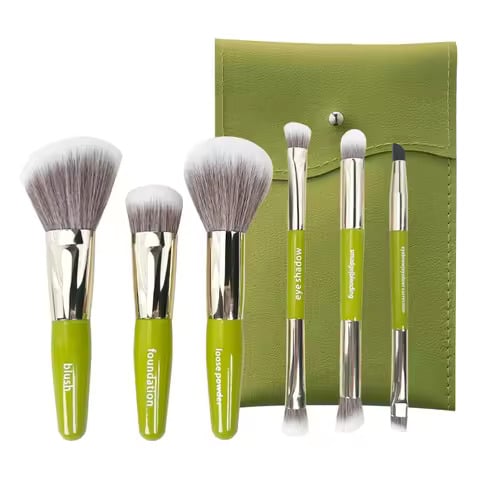
The global makeup brush market has experienced unprecedented growth, with private label eye brushes capturing a significant portion of this expansion. Industry analysts project continued double-digit growth as makeup enthusiasts seek professional-quality tools for precise eye makeup application. This surge in demand stems from social media influence, tutorial proliferation, and the democratization of beauty knowledge. Consumers are no longer satisfied with basic applicators; they demand brushes that deliver salon-quality results at home. Private label eye brushes meet this need by offering premium functionality at accessible price points, making them attractive to both budget-conscious consumers and luxury seekers.
The rise of beauty influencers and makeup tutorials has educated consumers about the importance of proper tools in achieving desired looks. This educational shift has transformed eye brushes from optional accessories to essential components of any makeup routine. Private label eye brushes benefit from this trend by offering brands the flexibility to create specialized brush sets tailored to specific eye makeup techniques or trends. Whether focusing on smoky eyes, cut crease applications, or precision lining, brands can develop targeted collections that address specific consumer needs and preferences.
The competitive landscape for private label eye brushes presents both challenges and opportunities for new entrants and established players. While major beauty brands dominate shelf space, the private label sector offers nimbler companies the ability to respond quickly to trends and consumer feedback. This agility advantage allows private label eye brush manufacturers to introduce innovative designs, materials, and sets that might take larger corporations months or years to bring to market. The key to success lies in identifying underserved niches and delivering superior value propositions that resonate with target audiences.
Emerging trends in sustainable beauty have opened new avenues for private label eye brushes made from eco-friendly materials. Brands focusing on synthetic bristles derived from recycled materials or handles crafted from sustainable wood sources can differentiate themselves in an increasingly crowded marketplace. This sustainability focus aligns with millennial and Gen Z consumer values, creating opportunities for brands that authentically embrace environmental responsibility. The private label model allows for rapid iteration and testing of sustainable materials without the massive investment required for proprietary manufacturing facilities.
Manufacturing excellence forms the foundation of successful private label eye brushes, with quality control systems ensuring consistent performance across production runs. Leading manufacturers implement rigorous testing protocols that evaluate bristle retention, shape maintenance, and durability under repeated use conditions. These quality assurance measures are crucial because eye brushes face unique challenges including exposure to various product formulations, frequent washing, and precise application requirements. Private label eye brushes must meet or exceed the performance standards established by premium branded alternatives while maintaining cost-effectiveness that allows for competitive retail pricing.
Advanced manufacturing techniques have revolutionized the production of private label eye brushes, enabling precise control over bristle density, ferrule construction, and handle ergonomics. Computer-controlled machinery ensures consistent brush head shapes and sizes, while automated quality inspection systems identify and remove substandard products before packaging. This technological integration allows private label manufacturers to achieve quality levels previously reserved for high-end branded products. The implementation of lean manufacturing principles further optimizes production efficiency, reducing waste and minimizing costs without compromising product integrity.
Material innovation drives the evolution of private label eye brushes, with manufacturers continuously developing new synthetic bristle formulations that surpass natural alternatives in performance and consistency. Modern synthetic bristles offer superior pickup and blending capabilities while eliminating concerns about animal welfare and allergen sensitivity. These advanced materials maintain their shape better than natural bristles, resist bacterial growth more effectively, and provide consistent performance across different product formulations. The development of specialized synthetic fibers for specific eye makeup applications has enabled private label manufacturers to create highly targeted brush designs.
Handle construction represents another area of significant innovation in private label eye brushes, with manufacturers exploring lightweight aluminum, sustainable bamboo, and ergonomically designed plastic alternatives. The choice of handle material affects both the brush's balance and durability, influencing user experience and brand perception. Premium private label eye brushes often feature weighted handles that provide better control during precise application, while budget-friendly options focus on comfort and basic functionality. Material selection must balance cost considerations with performance requirements and brand positioning to create compelling value propositions for target markets.
The customization capabilities inherent in private label eye brushes provide unprecedented opportunities for brand differentiation and identity expression. Manufacturers offer extensive customization options including handle colors, brush head shapes, ferrule finishes, and packaging designs that allow brands to create distinctive product lines. This flexibility enables emerging beauty brands to compete with established players by offering unique aesthetic and functional combinations that appeal to specific consumer segments. The ability to modify brush specifications during the development process ensures that final products align perfectly with brand vision and consumer expectations.
Brand identity development through private label eye brushes extends beyond visual customization to encompass functional innovation and user experience design. Successful brands identify specific pain points in existing eye brush offerings and work with manufacturers to develop solutions that address these concerns. Whether focusing on improved blending capabilities, enhanced precision, or innovative storage solutions, private label eye brushes can be engineered to embody brand values and deliver superior user experiences. This approach transforms commodity products into distinctive brand assets that command premium pricing and inspire customer loyalty.
Effective marketing strategies for private label eye brushes must communicate value propositions that resonate with target audiences while differentiating products from countless alternatives. Successful brands focus on specific use cases, application techniques, or aesthetic preferences rather than attempting to appeal to all consumers. This targeted approach allows for more compelling messaging and enables brands to build expertise and authority within chosen niches. Private label eye brushes benefit from storytelling that emphasizes craftsmanship, innovation, and user benefits rather than generic feature lists that fail to create emotional connections.
Digital marketing channels provide cost-effective platforms for introducing private label eye brushes to potential customers, with social media demonstration videos and influencer partnerships proving particularly effective. These channels allow brands to showcase product performance in real-world applications, building credibility and trust among potential customers. The visual nature of eye makeup application makes private label eye brushes ideal for social media marketing, where before-and-after transformations and technique demonstrations generate high engagement rates. Strategic partnerships with makeup artists and beauty educators can provide authentic endorsements that carry significant weight with target audiences.
Successful distribution of private label eye brushes requires strategic channel selection that aligns with brand positioning and target customer preferences. E-commerce platforms offer low-barrier entry points for new brands while providing detailed analytics and direct customer feedback. Online marketplaces enable rapid scaling and exposure to broader audiences, though they also intensify price competition and require sophisticated optimization strategies. Traditional retail partnerships provide credibility and broader market reach but demand higher minimum order quantities and longer development cycles. The most successful private label eye brush brands often pursue multi-channel strategies that maximize market penetration while maintaining brand consistency.
Subscription box partnerships represent an emerging opportunity for private label eye brushes, providing access to engaged beauty enthusiasts willing to try new products. These partnerships enable brands to introduce products to qualified prospects at lower customer acquisition costs while building brand awareness and generating valuable user feedback. The curated nature of subscription boxes allows private label eye brushes to be presented alongside complementary products, creating natural cross-selling opportunities. Successful subscription box partnerships require products that photograph well, perform consistently, and offer clear value propositions that subscribers can easily understand and appreciate.
Pricing strategies for private label eye brushes must balance competitive pressures with margin requirements while reflecting brand positioning and value propositions. Cost-plus pricing models provide predictable margins but may not capture full value potential in markets where consumers prioritize quality and performance over price. Value-based pricing approaches allow brands to command premium prices by demonstrating superior performance or unique benefits that justify higher costs. The key lies in understanding customer willingness to pay and positioning private label eye brushes within appropriate price segments that maximize both sales volume and profitability.
Bundle pricing strategies can significantly improve margins on private label eye brushes while providing enhanced value to customers. Complete eye makeup brush sets often command higher per-unit prices than individual brushes while reducing customer acquisition costs and increasing basket sizes. Limited edition collections and seasonal offerings create urgency and justify premium pricing while building brand excitement and loyalty. The private label model's flexibility allows for rapid testing of different pricing strategies and product configurations to optimize revenue and profitability across diverse market segments.
Comprehensive testing protocols ensure that private label eye brushes meet performance standards that satisfy demanding consumers and build brand reputations. Durability testing simulates extended use conditions including repeated washing, exposure to various cosmetic formulations, and normal wear patterns that brushes encounter during typical usage cycles. These tests evaluate bristle retention rates, shape maintenance, and handle integrity under stress conditions that exceed normal use parameters. Private label eye brushes must demonstrate consistent performance throughout their expected lifespan to build consumer confidence and justify premium positioning in competitive markets.
Performance standardization across production batches requires sophisticated quality control systems that monitor key characteristics including bristle density, ferrule security, and handle balance. Statistical process control techniques help manufacturers identify and correct variations before they affect finished products, ensuring that private label eye brushes maintain consistent quality regardless of production timing or batch size. This consistency proves crucial for brands building loyal customer bases who expect identical performance from replacement purchases. Advanced testing equipment enables rapid evaluation of new designs and materials, accelerating innovation cycles while maintaining quality standards.
Systematic collection and analysis of customer feedback provides invaluable insights for improving private label eye brushes and developing new products that better serve market needs. Digital platforms enable real-time feedback collection through reviews, ratings, and direct customer communications that reveal usage patterns and performance issues. This feedback loop allows manufacturers and brands to identify improvement opportunities and address concerns before they impact brand reputation. Private label eye brushes benefit from this direct customer connection, enabling rapid iteration and refinement based on actual user experiences rather than theoretical design assumptions.
Professional makeup artist feedback represents another valuable input stream for private label eye brush development, providing expert perspectives on performance characteristics and application techniques. These professional users often identify subtle performance differences and suggest improvements that benefit all users. Collaboration with professional makeup artists can also provide credibility and endorsements that enhance brand reputation and market acceptance. The insights gained from professional users help ensure that private label eye brushes meet the demanding standards required for commercial makeup applications while remaining accessible to consumer users.
Emerging technologies promise to transform private label eye brushes through smart features and connected capabilities that enhance user experiences and provide valuable data insights. Temperature-sensing bristles could indicate optimal product application conditions, while embedded sensors might track usage patterns to recommend replacement timing or maintenance schedules. These technological integrations would differentiate private label eye brushes in crowded markets while creating new revenue streams through connected services and consumable replacements. However, successful implementation requires careful balance between innovation and cost considerations to maintain market accessibility.
Augmented reality applications could revolutionize how consumers select and use private label eye brushes by providing virtual try-on experiences and real-time application guidance. These technologies would enable brands to demonstrate brush capabilities and techniques through immersive digital experiences that build confidence and reduce purchase hesitation. The integration of artificial intelligence could provide personalized brush recommendations based on individual eye shapes, preferred makeup styles, and skill levels. Such innovations would transform private label eye brushes from simple tools into components of comprehensive beauty ecosystems that provide ongoing value and engagement.
Growing environmental consciousness among consumers drives demand for sustainable private label eye brushes made from recycled, renewable, or biodegradable materials. This trend creates opportunities for brands that authentically embrace environmental responsibility while maintaining performance standards that satisfy quality-conscious consumers. Sustainable packaging solutions, carbon-neutral shipping options, and take-back programs for used brushes could further differentiate environmentally focused brands. The challenge lies in communicating sustainability benefits without compromising perceived quality or significantly increasing costs that might limit market accessibility.
Circular economy principles could reshape private label eye brush business models through refillable designs, modular construction, and material recovery programs. These approaches would reduce environmental impact while creating ongoing customer relationships and revenue streams. Brands implementing circular economy strategies must educate consumers about new usage patterns and value propositions while ensuring that sustainable options deliver comparable or superior performance to traditional alternatives. The private label model's flexibility enables experimentation with sustainable approaches that might prove too risky for established brands with existing product portfolios and customer expectations.
Private label eye brushes offer comparable quality to branded alternatives at more accessible price points by eliminating expensive marketing campaigns and brand premiums. They provide customization flexibility that allows retailers and beauty brands to create unique product lines tailored to specific customer needs. Manufacturing innovations and material advances have enabled private label producers to achieve quality standards that rival premium branded products while maintaining cost advantages that benefit both retailers and consumers.
Selecting the ideal private label eye brush manufacturer requires evaluating production capabilities, quality control systems, customization options, and minimum order requirements. Look for manufacturers with established quality certifications, comprehensive testing protocols, and proven track records serving similar market segments. Consider factors such as lead times, communication capabilities, and willingness to accommodate custom specifications that align with your brand vision and market positioning strategies.
Private label eye brushes offer extensive customization possibilities including handle materials and colors, bristle types and densities, ferrule finishes, and packaging designs. Many manufacturers provide options for custom brush shapes, specialized bristle configurations, and unique handle designs that create distinctive product identities. Advanced customization might include engraved logos, custom packaging inserts, and specialized storage solutions that enhance brand recognition and user experience.
Minimum order quantities for private label eye brushes vary significantly based on customization levels and manufacturer capabilities, typically ranging from 500 to 5000 pieces per design. Standard designs with minimal customization often have lower minimums, while complex custom specifications may require larger quantities to justify tooling and setup costs. Many manufacturers offer flexibility for emerging brands through graduated minimums that decrease as relationships develop and order volumes increase over time.
 EN
EN
 AR
AR BG
BG HR
HR CS
CS DA
DA NL
NL FI
FI FR
FR DE
DE EL
EL HI
HI IT
IT JA
JA KO
KO NO
NO PL
PL PT
PT RO
RO RU
RU ES
ES SV
SV CA
CA TL
TL IW
IW ID
ID LV
LV LT
LT SR
SR SK
SK SL
SL UK
UK VI
VI SQ
SQ ET
ET GL
GL HU
HU TH
TH TR
TR