
شركة شانغ يانغ تكنولوجي المحدودة
شركة شانغ يانغ تكنولوجي المحدودة
اختيار شريك التصنيع المناسب لـ مجموعة الفرشاة الإنتاج يُعَدُّ أحد أكثر القرارات تأثيرًا التي يمكن أن تتخذها علامة تجارية في مجال الجمال. فسواء كنت تطلق خطًّا جديدًا من مستحضرات التجميل أو توسع نطاق خطٍّ قائمٍ بالفعل، فإن المصنع الذي تختاره سيؤثِّر مباشرةً في جودة منتجاتك، وموثوقية التسليم، وسمعة علامتك التجارية. وإن اتّخاذ هذا القرار الصحيح منذ البداية يوفِّر الوقت والمال، ويتجنَّب نوع إعادة العمل المكلفة التي قد تعرقل إطلاق منتجٍ ما.
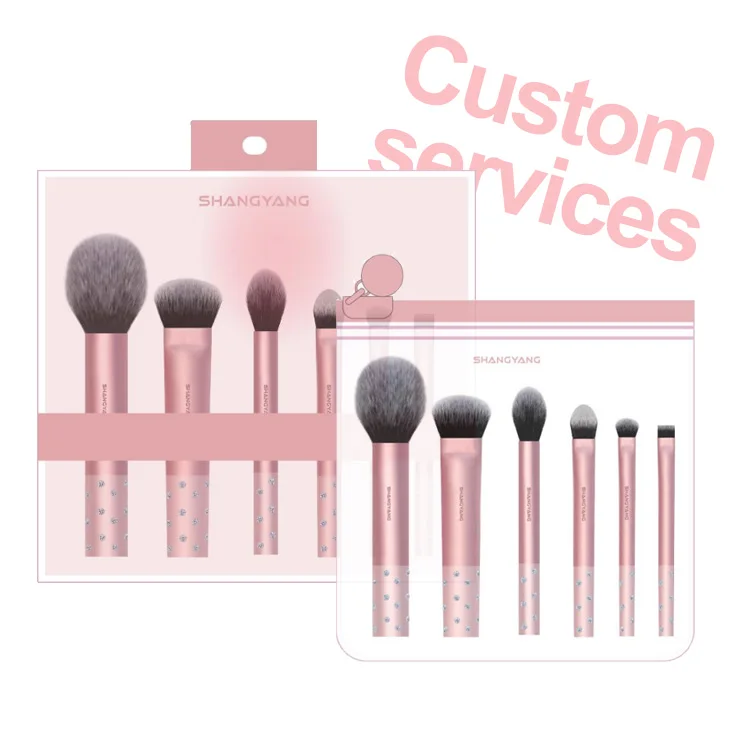
لقد نما السوق العالمي لأدوات الماكياج الاحترافية نموًّا ملحوظًا، ومع هذا النمو ظهرت مجموعة أوسع من خيارات المصانع — وكلٌّ منها يتمتَّع بقدرات مختلفة ومعايير جودة متفاوتة ونماذج شراكة متنوعة. ولعلَّ فهم الفرق بين شريك إنتاجٍ موثوقٍ وآخر محفوفٍ بالمخاطر يتطلَّب النظر إلى ما هو أبعد من قوائم الأسعار وصور العيِّنات. مجموعة الفرشاة ويتطلَّب ذلك تقييمًا منهجيًّا لعمق التصنيع وقدرة التخصيص وأنظمة ضبط الجودة ومدى التناغم مع الأهداف التجارية طويلة المدى.
يمكن لعديد من المصانع إنتاج مجموعة فراشي بكميات كبيرة، لكن ليس كلها تعمل كشركاء إنتاج حقيقيين. فالشريك الحقيقي لا يقدّم فقط الآلات والعمالة، بل يقدّم أيضًا مدخلات فنية خلال مرحلة التطوير، وتواصلًا استباقيًّا طوال دورة الإنتاج، ومعرفة مؤسسية تساعد العلامات التجارية على تجنُّب الأخطاء الشائعة في تصميم مجموعة الفراشي واختيار المواد.
عند تقييم مصنع ما، ابحث عن أدلةٍ تدلّ على تخصُّصه. فالمنشأة التي تركِّز بشكل رئيسي على إنتاج فراشي المكياج ستتمتّع بخبرة أعمق في تصنيع الحلقات المعدنية (الفيرول)، وتجهيز الشعر الطبيعي أو الاصطناعي، وإنهاء مقابض الفراشي، مقارنةً بمصنع عامٍّ ينتج الفراشي كأحد عشرات الفئات المنتَجة. ويترجم هذا التخصُّص مباشرةً إلى نتائج أفضل لمجموعة فراشك، بدءًا من اتساق كثافة الشعر وحتى متانة طبقة الورنيش على المقابض.
اطلب من الشركاء المحتملين معلوماتٍ عن سجل إنتاجهم. كم عدد السنوات التي أمضوها في تصنيع مجموعات الفراشي؟ وما العلامات التجارية التي عملوا معها؟ وهل لديهم خبرة في التعامل مع شعيرات مصنوعة من الألياف الاصطناعية والشعيرات الطبيعية على حدٍ سواء؟ إن هذه الأسئلة تكشف ما إذا كانت المصنع يمتلك الخبرة الكافية للتعامل مع المتطلبات المحددة لمجموعة فراشيكم.
إن فهم الفرق بين نموذجي الإنتاج حسب الطلب (OEM) وحسب التصميم الأصلي (ODM) أمرٌ بالغ الأهمية عند اختيار مصنعٍ لمجموعة فراشيكم. فالتعبير «OEM» أو «التصنيع حسب الطلب» يعني أن المصنع سيُنتج مجموعة فراشيكم وفقًا لتصاميمك ومواصفاتك الخاصة. أما التعبير «ODM» أو «التصنيع حسب التصميم الأصلي» فيعني أن المصنع يوفّر تصاميم جاهزة يمكنك تخصيصها ووضع علامتك التجارية عليها.
بالنسبة للعلامات التجارية التي تمتلك فرق تصميم داخلية قوية ورؤية منتج واضحة، يُعتبر التصنيع حسب الطلب (OEM) غالبًا الخيار المفضل. فهو يمنحك تحكّمًا كاملاً في كل عنصر من عناصر مجموعة الفراشي، بدءًا من شكل المقبض ووصولًا إلى قص الشعيرات. أما بالنسبة للعلامات التجارية الجديدة نسبيًّا في السوق أو تلك التي تعمل ضمن جداول زمنية أضيق لتطوير المنتجات، فإن التصنيع حسب التصميم (ODM) يوفّر مسارًا أسرع للوصول إلى مجموعة فراشي جاهزة تمامًا للتسويق دون التفريط في القدرة على إضافة العلامة التجارية المخصصة والتغليف الخاص.
وأفضل شركاء المصانع هم من يتقنون كلا النموذجين ويمكنهم توجيهك نحو النهج الأنسب لجدولك الزمني وميزانيتك وموقع علامتك التجارية في السوق. وإن المرونة في هذه المنطقة تُعد مؤشرًا قويًّا على قدرة المصنع العامة على التكيّف وتوجُّهه نحو خدمة العملاء.
يبدأ جودة مجموعة الفراشي قبل وقتٍ طويل من بدء الإنتاج. ويبدأ ذلك مع المواد المستخدمة. وتُعَد جودة الشعيرات العامل الأهم الوحيد في أداء أي مجموعة فراشي وطول عمرها، كما أن المصنع الموثوق به يتبع ممارسات شفافة وقابلة للتتبع في توريد كلٍّ من الألياف الاصطناعية والشعيرات الطبيعية.
يجب تقييم الشعيرات الاصطناعية، التي تُصنَع عادةً من النايلون أو ألياف التاكْلون، من حيث النعومة واتساق التناقص (التدرج) في السماكة وثبات اللون. أما الشعيرات الطبيعية مثل شعيرات الماعز أو السناجب أو الخيول، فهي تتطلب توريدًا دقيقًا لضمان الالتزام بالمعايير الأخلاقية واتساق الملمس عبر دفعات الإنتاج المختلفة. والمصنع الذي لا يستطيع شرح مصدر شعيراته بشكلٍ واضحٍ هو مصنعٌ لا يمكنه ضمان اتساق مجموعة الفراشي الخاصة بك من طلبٍ إلى آخر.
تُعَدُّ مواد المقبض أيضًا عاملًا مهمًّا. فسواء استخدمت مجموعة الفُرَش خشبًا أو أكريليكًا أو ألمنيومًا في صنع المقابض، فيجب أن تكون المصنع قادرًا على إثبات معايير الجودة فيما يتعلَّق بمتانة التشطيب، والدقة البُعدية، ومعالجة السطح. واطلب وثائق بيانات المواد، وكذلك الشهادات ذات الصلة، حيثما كانت مطلوبة، لتأكيد الامتثال للمعايير الصادرة في مجالات السلامة والبيئة.
يجب أن يعمل نظام مراقبة الجودة في المصنع على عدة مراحل من عملية الإنتاج، وليس فقط في مرحلة التجميع النهائي. إذ تساعد عمليات التفتيش أثناء التصنيع في اكتشاف العيوب مبكرًا، قبل أن تنتشر عبر كامل دفعة الإنتاج. وفي حالة مجموعة الفُرَش، يعني ذلك التحقُّق من كثافة الشعر ومحاذاة شعيرات الفرشاة أثناء التجميع، والتأكد من قوة تثبيت الحلقة المعدنية (الفِرْل) قبل تركيب المقابض، وفحص تشطيب المقابض قبل التغليف النهائي.
يجب أن تشمل بروتوكولات الفحص النهائي كلاً من الفحوصات البصرية والوظيفية. ويجب أن تستوفي كل مجموعة فرش تخرج من المصنع معايير محددةً فيما يخص مقاومة تساقط الشعيرات، وسلامة المقبض، والمظهر الجمالي. اطلب من الشركاء المحتملين شرح قوائم الفحص الخاصة بهم وأهداف معدلات العيوب. فالمنشأة التي تُتبع هذه البيانات وتشاركها هي منشأة تأخذ مسؤولية الجودة على محمل الجد.
ويُعد الفحص من طرف ثالث طبقة إضافية جديرة بالمناقشة. فكثير من العلامات التجارية تكلف جهات مستقلة بإجراء عمليات تدقيق في الجودة قبل الشحن، لا سيما بالنسبة للطلبات الكبيرة. وبالمقابل، فإن المنشأة الواثقة والشفافة ستتقبل هذه الممارسة بدلًا من مقاومتها. وبالفعل، فإن استعداد المنشأة لتوفير التسهيلات اللازمة للفحص من طرف ثالث يُعتبر في حد ذاته مؤشرًا على الجودة.
لمعظم علامات التجميل، لا يُعَدّ مجموعة الفراشي منتجًا وظيفيًّا فحسب، بل هي أيضًا بيانٌ للعلامة التجارية. ويجب أن يكون المصنع الذي تختاره قادرًا على تحويل هوية علامتك التجارية إلى كل عنصر مادي في مجموعة الفراشي، بدءًا من نقش الشعار على المقبض ووصولًا إلى تصميم عبوة البيع بالتجزئة. وهذا يتطلب كلاً من القدرة التقنية والمشاركة في عملية التصميم التعاونية.
قيِّم طرق تطبيق الشعار التي يستخدمها المصنع. ومن أبرز التقنيات الشائعة: الختم الحراري، والنقش بالليزر، والطباعة الحريرية، والطباعة بالأشعة فوق البنفسجية. ولكل تقنية خصائص مختلفة من حيث المتانة والنتائج الجمالية. وبامتلاك المصنع لخيارات متعددة لتطبيق الشعار، تزداد مرونتك الإبداعية، ويتأكد أن مظهر مجموعة الفراشي سيكون تمامًا كما خططت له على مختلف مواد المقابض وأسطح التشطيب.
تُعَدُّ تخصيص العبوة أمراً بالغ الأهمية أيضاً. فتجربة فتح العبوة (Unboxing Experience) تُمثِّل نقطة تواصل جوهرية مع المستهلك النهائي، وقدرة المصنع على إنتاج عبوات مخصصة أو التنسيق لإنتاجها — سواء كانت أكياساً بلاستيكية، أو علبًا مغناطيسية، أو عبوات جاهزة للعرض في المتاجر — تؤثر تأثيراً مباشراً على القيمة المدرَكة لعلامتك التجارية. وعليك التأكّد مما إذا كان المصنع يتعامل مع تصنيع العبوات داخلياً أم عبر شبكة من المورِّدين المنسَّقين، كما ينبغي أن تطلب رؤية أمثلة على أعمال العبوات السابقة التي أنجزها المصنع لمجموعات الفُرَش.
كميات الطلب الدنيا، والمعروفة شائعاً باسم MOQs، تُعَدُّ واقعاً عملياً في إنتاج المصانع. وفي حالة مجموعة الفُرَش، قد تتفاوت كميات الطلب الدنيا تفاوتاً كبيراً تبعاً لمدى درجة التخصيص، والمواد المستخدمة، ونموذج الإنتاج الذي يتبعه المصنع. وبما أن فهم هيكل كميات الطلب الدنيا لدى المصنع في مرحلة مبكرة من المحادثة يساعدك على تقييم ما إذا كانت الشراكة معه قابلة للتطبيق عند حجم نشاطك الحالي، وما إذا كانت قادرة على النمو جنباً إلى جنب مع عملك.
تقدم بعض المصانع أسعارًا متدرجة تكافئ الكميات الأكبر بانخفاض التكلفة لكل وحدة، في حين تحافظ مصانع أخرى على أسعارٍ نسبيًّا ثابتة عبر أحجام الطلبات المختلفة. أما بالنسبة للعلامات التجارية التي تمر بمراحل النمو المبكرة، فإن المصنع الذي يقبل التعامل مع طلبات أولية أصغر مع توفير مسارٍ واضح للتوسُّع غالبًا ما يكون أكثر قيمةً من مصنعٍ يشترط التزامات كبيرة منذ البداية.
ويشمل مفهوم القابلية للتوسُّع أيضًا السعة الإنتاجية. فمع نمو خط مجموعة الفُرَش الخاص بك، هل يستطيع المصنع استيعاب زيادات في أحجام الطلبات دون المساس بأوقات التسليم أو الجودة؟ اسأل عن سعته الإنتاجية الحالية، وجدولته خلال موسم الذروة، وكيفية إدارته لتوزيع السعة بين العملاء المتعددين. فقد لا يكون المصنع الذي يعمل بالفعل عند طاقته الإنتاجية الكاملة الشريك المناسب على المدى الطويل، بغض النظر عن جودة العيّنات التي قدّمها.
غالبًا ما تكون جودة التواصل مع المصنع مؤشرًا موثوقًا على جودة تجربة الإنتاج. فالمصنع الذي يرد بسرعة، ويقدّم إجابات واضحة، ويُبلغ مسبقًا عن المشكلات المحتملة سيكون أسهل بكثير في التعامل معه عند ظهور التحديات — وفي أي مشروع لإنتاج مجموعات الفرشاة، ستظهر بالتأكيد بعض التحديات.
قيّم سرعة الاستجابة خلال مرحلة الاستفسار وأخذ العيّنات. كم من الوقت يستغرقون للرد على الأسئلة التفصيلية؟ هل يقدمون إجابات شاملة أم تطمينات غامضة؟ وهل يستطيعون تزويدك بعينات تعكس بدقة مواصفاتك؟ وهل يتواصلون بوضوح بشأن الجداول الزمنية وعمليات المراجعة؟ إن هذه التفاعلات المبكرة تُعد نظرةً استباقيةً على طبيعة العلاقة الإنتاجية المستمرة معهم.
وتُعد قدرة المصنع على إدارة المشاريع أيضًا جديرةً بالتقييم. ففي حالة طلبات مجموعات الفُرَش المعقدة التي تتضمّن عدّة أكواد باركود (SKUs)، وتغليفًا مخصّصًا، وفترات تسليم ضيّقة، فإن تعيين المصنع لمدير حساب مخصص أو منسّق مشروع يوفّر ميزة تشغيلية كبيرة. ويؤدّي تحديد الجهة المسؤولة عن التواصل بشكلٍ واضحٍ إلى الحدّ من الأخطاء، وتسريع اتّخاذ القرارات، وضمان بقاء مشروع مجموعة الفُرَش الخاص بك ضمن الجدول الزمني المحدّد.
وبالنسبة للعلامات التجارية التي تبيع منتجاتها في الأسواق الخاضعة للتنظيم، فإن حصول المصنع على شهادات الاعتماد ليس أمرًا اختياريًّا. وبما أن متطلّبات الأسواق المستهدفة تختلف، فقد تحتاج إلى شريك إنتاج لمجموعة الفُرَش يمتلك شهادات مثل: ISO 9001 لإدارة الجودة، أو BSCI أو SEDEX للاستيفاء الاجتماعي، أو شهادات محدّدة تتعلّق بسلامة منتجات التجميل، وهي شهادات ذات صلة بقنوات التوزيع الخاصة بك.
اطلب نسخًا من الشهادات الحالية وتحقق من صلاحيتها. فالمصنع الموثوق به يحافظ عادةً على وثائق مُحدَّثة ويكون شفافًا بشأن نطاق كل شهادة. كن حذرًا من المصانع التي تدّعي امتلاك شهادات لا يمكنها إثباتها بالوثائق، لأن ذلك يُعدُّ مؤشرًا تحذيريًّا على مشكلات أوسع تتعلَّق بالشفافية.
أصبحت معايير التصنيع الأخلاقي أكثر أهميةً للمستهلكين النهائيين وشركاء التوزيع بالتجزئة على حدٍّ سواء. فالمصنع الذي يستطيع إثبات اتباعه لممارسات عمل مسؤولة، وظروف عمل آمنة، وعمليات إنتاج واعية بيئيًّا، يضيف قيمةً لعلامتك التجارية لمجموعة فراشي التجميل تتجاوز المنتج نفسه. ويتّسم هذا الأمر بأهمية خاصة للعلامات التجارية التي تضع نفسها في قطاعات التجميل الفاخر أو المستدام.
طلب العينات وتقييمها بدقة يُعَدُّ أحد أهم الخطوات في اختيار مصنع لإنتاج مجموعة الفراشي. فالعينة ليست مجرد عرض مبدئي للمنتج النهائي، بل هي اختبار لقدرة المصنع على تفسير مواصفاتك بدقة، وتنفيذها وفق معيار محدَّد، والاتصال بك بفعالية خلال عملية التطوير.
عند مراجعة عينة مجموعة الفراشي، قيِّم نعومة شعيرات الفرشاة وكثافتها، وملاءمة الحلقة المعدنية (الفيرول) ونهايتها التصنيعية، ووزن المقبض وتوازنه، وجودة تطبيق الشعار، والمظهر الجمالي العام. وجرب مجموعة الفراشي في ظروف استخدام واقعية. هل تتساقط الشعيرات؟ وهل ترتخي الحلقة المعدنية بعد الاستخدام المتكرر؟ وهل يظهر التآكل بسرعة على سطح المقبض؟ إن هذه الاختبارات الوظيفية تكشف أبعاد الجودة التي لا يمكن للفحص البصري وحده أن يرصدها.
انتبه إلى كيفية استجابة المصنع لملاحظات العيّنات. فالشريك الذي يتلقى طلبات المراجعة التفصيلية باحتراف، ويُقدِم العيّنات المُراجَعة في وقتٍ قصير، ويُظهر تحسُّنًا حقيقيًّا في كل دورة مراجعة، هو شريكٌ سيكون مستجيبًا ومسؤولًا طوال عملية الإنتاج الكاملة.
قبل الالتزام بتشغيل إنتاج كامل، حدد عيّنة ذهبية — وهي عيّنة مرجعية معتمدة فعليًّا تُعرِّف المعيار الدقيق الذي يجب أن تحققه مجموعة الفُرَش الخاصة بك. وتُصبح هذه العيّنة الذهبية المعيار الذي تُقاس عليه جميع وحدات الإنتاج، كما أنها تحميك أنت والمصنع من النزاعات المتعلقة بتوقعات الجودة.
ستمتلك المصنع الاحترافي عملية رسمية لاعتماد ما قبل الإنتاج تشمل إقرار العينة الذهبية، وتأكيد المواد، والاتفاق على جدول الإنتاج. وتضمن هذه العملية توافق جميع الأطراف قبل بدء الإنتاج، مما يقلل من احتمال حدوث مفاجآت مكلفة في مرحلة الفحص أو التسليم.
وثّق كل شيء. احتفظ بسجلاتٍ لجميع العينات المعتمدة ومواصفات المواد واتفاقيات الإنتاج. وبالنسبة لمجموعة فرشاة تحتوي على مكونات متعددة وعناصر تخصيص، فإن التوثيق الشامل يشكّل الأساس لعلاقة إنتاج سلسة وقاعدة موثوقة للجودة في الطلبيات المتكررة.
أهم عامل هو مزيج من التخصص والشفافية. فالشركة المصنِّعة المتخصصة في إنتاج مجموعات الفُرَش والمُعلِّنة بصراحة عن موادها وعملياتها وأنظمتها لمراقبة الجودة، تكون أكثر احتمالاً بكثير لتقديم نتائج متسقة مقارنةً بمصنع عامٍّ يقدِّم أسعاراً أقل. وعليك تقييم عيِّناته بعناية وتقييم أسلوب تواصله خلال مرحلة الاستفسار.
وتتحقَّق الموثوقية في الجودة على أفضل وجه من خلال مزيج من بروتوكولات التفتيش أثناء الإنتاج، ومعايير العيِّنة الذهبية، والتدقيق الخارجي المستقل للجودة. اطلب من الشركة المصنِّعة شرح أهدافها المتعلقة بنسبة العيوب وكيفية إدارتها للجودة عبر دفعات الإنتاج الكبيرة. كما يُرجى طلب مراجع من عملاء حاليين قدَّموا طلبات متكرِّرة، إذ يُعَدُّ تكرار الطلبات مؤشِّراً قوياً على ثبات الجودة.
تقدم العديد من مصانع مجموعات الفُرَش المتخصصة حلول تغليف متكاملة، إما داخليًا أو عبر شبكة مورِّدين منسَّقة. وتُبسِّط هذه القدرة الشاملة (من نقطة واحدة) عمليات اللوجستيات وتضمن أن يتم تطوير التغليف بما يتوافق مع المنتج. وعليك دائمًا التأكد من نطاق خدمات التغليف في بداية المحادثة، وطلب أمثلة على أعمال التغليف السابقة لتقييم الجودة وقدرات التصميم.
الشهادات ذات الصلة تعتمد على أسواقك المستهدفة، لكن الشهادات المطلوبة عادةً تشمل شهادة ISO 9001 لأنظمة إدارة الجودة، وشهادة BSCI أو SEDEX لمراجعات الامتثال الاجتماعي، وأي شهادات سلامة محددة للمنتجات التجميلية حسب السوق. أما بالنسبة للعلامات التجارية التي تستهدف أسواق الاتحاد الأوروبي أو أمريكا الشمالية، فيجب التأكد من أن عمليات إنتاج مجموعات الفُرَش في المصنع تتوافق مع لوائح السلامة الكيميائية السارية، مثل لائحة REACH أو معايير لجنة سلامة المنتجات الاستهلاكية (CPSC).
 EN
EN
 AR
AR BG
BG HR
HR CS
CS DA
DA NL
NL FI
FI FR
FR DE
DE EL
EL HI
HI IT
IT JA
JA KO
KO NO
NO PL
PL PT
PT RO
RO RU
RU ES
ES SV
SV CA
CA TL
TL IW
IW ID
ID LV
LV LT
LT SR
SR SK
SK SL
SL UK
UK VI
VI SQ
SQ ET
ET GL
GL HU
HU TH
TH TR
TR