
SHANGYANG TECHNOLOGY CO.,LTD
SHANGYANG TECHNOLOGY CO.,LTD
Изборът на правилния производствен партньор за вашите четка за грижа за кожата проекти представлява едно от най-важните решения при създаването на успешен козметичен бранд или разширяването на асортимента ви от продукти за красота. Фабриката, която изберете, ще повлияе директно върху качеството на продуктите, надеждността на веригата за доставки, структурата на разходите и, в крайна сметка, репутацията на вашия бранд на конкурентен пазар, където потребителите внимателно оценяват както ефективността, така и безопасността. Независимо дали стартирате нова колекция от четки за уход на кожата или разширявате съществуващ асортимент, производственият партньор, който изберете, ще повлияе на всичко — от качеството на влакната на четките и издръжливостта на дръжките до производствените срокове и съответствието с международните стандарти за безопасност.
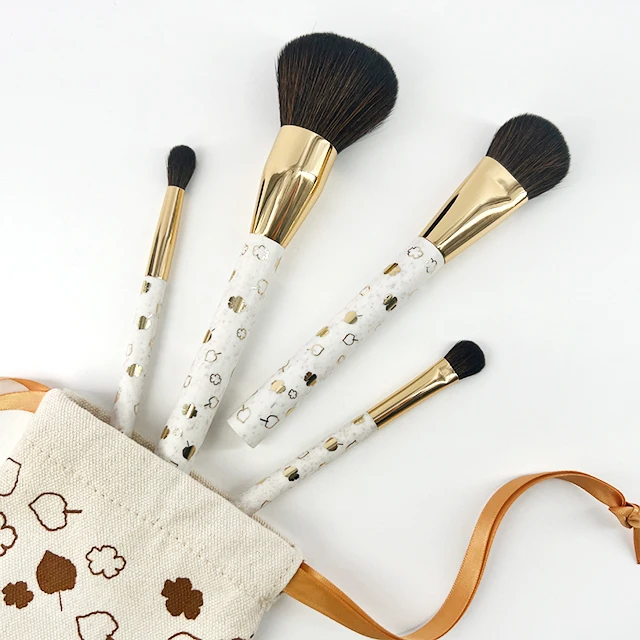
Процесът на избор на фабричен партньор излиза далеч зад сравнението на единичните цени и минималните количества за поръчка. Той изисква комплексна оценка на производствените възможности, системите за контрол на качеството, практиките за набавяне на материали и оперативната прозрачност. По-специално за производството на четки за грижа за кожата имате нужда от партньор, който разбира уникалните изисквания към инструментите за лицева употреба, включително стандарти за мекота на влакната, свойства за устойчивост срещу бактерии и деликатния баланс между твърдост и гъвкавост, който определя ефективното прилагане на продукти за грижа за кожата. В тази статия се представя структурирана рамка за оценка на потенциални фабрични партньори, анализ на ключовите критерии за избор и установяване на продуктивни дългосрочни производствени взаимоотношения, които подкрепят вашите бизнес цели.
Квалифицирана четка за грижа за кожата производственият партньор трябва да притежава специализирано оборудване, проектирано специално за производство на инструменти за лицева употреба, а не за общи козметични четки. Машините, необходими за производството на четки за грижа за кожата, се различават значително от тези, използвани при производството на стандартни гримови четки, поради точността, необходима за по-малките четкови глави, по-мекото вмъкване на фибри и по-деликатното изработване на дръжките. При оценката на потенциални заводски партньори проверете дали те разполагат с отделни производствени линии за четки за грижа за кожата или опитват да ги произвеждат заедно със стандартни козметични четки, тъй като това различие често разкрива истинското им ниво на специализация и разбиране на изискванията към инструментите за грижа за кожата.
Технологията за вмъкване на фибри, използвана от фабриката, оказва директно влияние върху продължителността на експлоатация и производителността на вашите продукти за грижа за кожата – четки. Напредналите фабрики използват компютърни системи за опресване на фурнитурата, които гарантират постоянна плътност на фибрите и сигурно закрепване, предотвратявайки изпадането на фибри, което нанася щети както на репутацията на продукта, така и на доверието на клиентите. Освен това оценете дали фабриката използва автоматизирани оборудвания за рязане и оформяне на фибри, които осигуряват еднакви размери на четковите глави при големи серийни производствени партиди. Ръчните процеси за рязане, макар понякога приемливи за производството на малки партиди от луксозни продукти, водят до вариации, които стават проблематични при мащабирането на колекции четки за грижа за кожата за разпространение чрез търговски канали.
Качеството на фибрите, използвани при производството на четки за грижа за кожата, принципно определя работните характеристики на продукта, а практиките за набавяне на суровини от страна на вашия фабричен партньор заслужават задълбочено проучване. Премиум четките за грижа за кожата обикновено съдържат синтетични фибри, специално проектирани за контакт с лицевата кожа, които осигуряват постоянна мекота, антибактериални свойства и устойчивост при многократно пране. Оценете дали потенциалният ви производствен партньор поддържа директни връзки с доставчиците на фибри или разчита на посреднически дистрибутори, тъй като директното набавяне обикновено осигурява по-добър контрол върху качеството, проследимост и стойностна ефективност за вас четка за грижа за кожата проекти.
Освен синтетичните опции, някои приложения за четки за грижа за кожата извличат полза от естествени косъмни влакна, макар тези да изискват още по-строг контрол на качеството и проверка на етичния произход. Надежден фабричен партньор трябва да осигури пълна прозрачност относно произхода на влакната, методите за обработка и сертифицирането на качеството. Поискайте подробни технически спецификации за измерванията на диаметъра на влакната, профила на заострянето и повърхностните обработки, тъй като тези технически параметри директно влияят върху усещането на четката за грижа за кожата при контакт с лицевата кожа и върху ефективността ѝ при разпределяне на серуми, маски или продукти за почистване. Фабриките, които не могат или не желаят да предоставят тази техническа документация, вероятно липсват системите за контрол на качеството, необходими за производството на професионални четки за грижа за кожата.
Вашият идеален производствен партньор трябва да демонстрира производствена мощност, която отговаря както на текущите ви обеми поръчки, така и на реалистичните прогнози за растеж. Фабрика, работеща на максимална мощност, може да има затруднения при изпълнението на увеличени поръчки или спешни производствени заявки, докато обект с прекомерно неизползвана мощност може да се сблъска с финансови проблеми, които заплашват непрекъснатостта на доставките. По време на оценката на фабриката поискайте подробна информация относно текущото ниво на използване на производствената мощност, средните производствени водачи (lead times) и времевият период, необходим за мащабиране на производството при увеличаване на обемите на поръчките, за да се гарантира, че техният операционен модел поддържа вашата стратегия за бизнес развитие.
Мащабируемостта излиза отвъд простото увеличение на обема и включва възможностите за разширяване на асортимента. Когато колекцията ви от четки за грижа за кожата се увеличава, може да се наложи да въведете нови стилове четки, материали за дръжките или комбинации от фибри, без да сменяте производствените си партньори. Оценете дали потенциалните фабрики запазват гъвкавостта да поддържат персонализирани дизайн решения, разработка на прототипи и пробно производство на малки серии, както и стандартно високотомно производство. Тази оперативна многопрофилност се оказва особено ценна при тестване на нови концепции за четки за грижа за кожата на ограничени пазари преди да се пристъпи към пълномащабно производство, което намалява както финансовия риск, така и времето за извеждане на пазара на иновативни продукти.
Комплексният контрол на качеството представлява основата на надеждното производство на четки за грижа за кожата, а вашият фабричен партньор трябва да прилага протоколи за инспекция на множество етапа, които идентифицират дефектите преди продуктите да стигнат до вашето складово помещение. Ефективните системи за качество включват инспекция на суровините при получаването им, проверки на качеството по време на производствения процес на критичните етапи и окончателна инспекция на продукта преди опаковането му. При оценката на потенциални партньори поискайте подробна документация за техните процедури за контрол на качеството, включително честотата на инспекциите, системите за класифициране на дефектите и приемливите граници за качество за различните типове дефекти, специфични за производството на четки за грижа за кожата.
Критериите за инспекция, прилагани към четките за грижа за кожата, трябва да отразяват специфичните изисквания към производителността на инструментите за лицева употреба. В отличие от обикновените гримови четки, качественият контрол на четките за грижа за кожата трябва да подчертава последователността на мекотата на влакната, здравото закрепване на ферулата, гладкостта на повърхността на дръжката и липсата на остри ръбове, които биха могли да раздразнят кожата на лицето. Квалифициран производствен партньор ще поддържа писмени стандарти за качество, които отчитат тези специфични за грижата за кожата критерии, и ще демонстрира как неговите инспекционни процеси потвърждават съответствието им. Поискайте примерни отчети от инспекции на предишни производствени серии, за да оцените задълбочеността на техните документи за качество и готовността им да споделят производствени данни с производствените партньори.
Производството на четки за грижа за кожата за международни пазари изисква стриктно спазване на регулациите за безопасност и ограниченията за материали, които се различават в различните региони. Вашият фабричен партньор трябва да демонстрира текуща сертификация според съответните международни стандарти, включително ISO 22716 за производство на козметични инструменти, както и съответствие с регионално специфичните регулации, като изискванията на FDA за пазара на Съединените щати или козметичните регулации на ЕС за разпространение в Европа. Проверете дали фабриката поддържа актуална документация за тези сертификати и разбира конкретните изисквания, приложими за продукти като четки за грижа за кожата, а не за общи козметични аксесоари.
Материалната безопасност представлява особено критична област на съответствие за производството на четки за грижа за кожата, тъй като тези инструменти влизат директно в контакт с кожата на лицето и не трябва да съдържат забранени вещества или потенциални алергени. Поискайте сертификати за анализ на всички материали, използвани при производството на четки за грижа за кожата, включително фибри, лепила, метали за ферули и материали за дръжките. Прозрачен производствен партньор ще предостави отчети от независими страни, потвърждаващи съответствието с нормите за материална безопасност, като например регламентите REACH, изискванията по Калифорнийския закон № 65 (Prop 65) и ограниченията върху тежки метали, фталати и други вещества, предизвикващи загриженост. Фабриките, които колебаят при предоставянето на тази документация или твърдят, че има ограничения поради търговска тайна относно разкриването на материали, трябва незабавно да предизвикат сериозни опасения относно практиките им за съответствие.
Ефективните системи за проследяване позволяват бързо реагиране при възникване на проблеми с качеството и демонстрират ангажимента на фабриката към отговорност през целия процес на производство на четки за грижа за кожата. Вашият производствен партньор трябва да внедри проследяване по партиди, което свързва готовите продукти с конкретни лотове суровини, дати на производство, използвано оборудване и резултати от контрола на качеството. Тази проследяемост става съществена, ако е необходимо да се проучат оплакванията на клиенти, да се управляват отзовавания на продукти или да се провери съответствието по време на регулаторни одити, което я превръща в неподлежащо на преговори изискване за професионални производствени отношения в областта на четките за грижа за кожата.
По време на фабричната оценка помолете потенциалните партньори да демонстрират своите системи за проследимост, като използват примери от последните производствени серии. Те трябва да могат бързо да възстановяват производствени документи, данни от контрола на качеството и сертификати за материали, свързани с конкретни партидни номера. Фабриките, които използват съвременни системи за управление на ресурсите на предприятието (ERP), обикновено предлагат по-висока степен на проследимост в сравнение с тези, които разчитат на ръчно водене на документация, макар че ключовият фактор да остава техната способност бързо да получават достъп до производствените данни и да ги интерпретират при нужда. Тази оперативна способност се оказва особено ценна при управлението на проекти за четки за грижа за кожата за брандове, които обслужват регулирани пазари с изискващи документационни изисквания.
Ефективната комуникация е основата на успешните производствени партньорства, особено за проекти на четки за грижа за кожата, които изискват непрекъсната съвместна работа върху усъвършенстване на дизайна, проблеми с качеството и планирането на производството. Оценявайте потенциалните фабрични партньори според инфраструктурата им за комуникация, включително наличието на отговорни менажъри, говорещи английски език, оперативността при отговори на запитвания и готовността им да участват в видео конференции за сложни дискусии. Фабриките, които назначават специализирани отговорни представители за вашите проекти, обикновено осигуряват по-добра комуникация в сравнение с тези, при които трябва да минавате през общи канали за запитвания при всяко взаимодействие.
Комуникационните инструменти и платформи, които използва вашият фабричен партньор, разкриват нивото на тяхната оперативна съвършеност и ангажимент към прозрачност. Съвременните производители все по-често използват базирани в облака системи за управление на проекти, които осигуряват актуална (в реално време) видимост върху статуса на производството, резултатите от контрола на качеството и подготовката на пратките. Макар и да не са универсални, тези цифрови инструменти за сътрудничество значително подобряват ефективността на комуникацията и намаляват недоразуменията, които често затрудняват международните производствени взаимоотношения. По време на първоначалните дискусии с потенциални партньори оценете готовността им да приемат предпочитаните от вас комуникационни методи и способността им да предоставят регулярни актуализации за хода на производството, без да се налага постоянно да ги подканяте за такава информация.
Прозрачните ценообразувателни практики отличават професионалните производствени партньори от тези, които вероятно ще въведат неочаквани разходи или ще прилагат проблемни преговорни тактики. При поискване на оферти за производство на четки за грижа за кожата оценете дали потенциалните фабрики предоставят подробно разбивка на разходите, която конкретизира стойността на материала, трудовите разходи, разходите за инструменти и други компоненти, а не просто цена на единица. Тази прозрачност позволява вземането на обосновани решения относно модификации на дизайна, избора на материали и количеството на поръчката, като намалява риска от появата на неочаквани такси по време на производствения процес.
Освен първоначалната цена, обсъдете как фабриката управлява колебанията в разходите, свързани с промените в цените на суровините, колебанията в курсовете на валутите и други пазарни фактори, които влияят върху производствените разходи за четки за грижа за кожата. Надеждните партньори обикновено установяват ясни политики относно начина, по който управляват увеличенията в разходите, включително периоди за предварително уведомяване и процеси за преговори, а не налагат едностранно промени в цените по средата на договора. Поискайте примери как са управлявали промените в разходите със съществуващи клиенти, за да оцените техния подход към справедливостта в партньорството и изграждането на дългосрочни взаимоотношения, спрямо максимизирането на краткосрочната печалба.
Фабричен партньор, който е уверен в своите възможности и оперативни практики, ще приветства посещения на фабриката и одити от трети страни, вместо да създава препятствия за инспекция на обекта. Готовността да се организират изчерпателни фабрични обиколки е ярък индикатор за оперативна законност и ангажимент към качество, докато съпротивата срещу прозрачността трябва да предизвика сериозни опасения. При оценката на потенциални партньори за вашите проекти с четки за грижа за кожата, отдайте предимство на онези, които активно предлагат посещения на производствения обект и осигуряват неограничен достъп до производствените зони, отделите за контрол на качеството и складовите помещения за материали.
Ако личните посещения във фабриката се окажат непрактични поради разстоянието или ограниченията по време, разгледайте възможността да наемете услуги на трети страни за аудит, специализирани в оценката на производството на козметични инструменти. Професионалните производители разглеждат аудитите като ценна възможност да демонстрират своите възможности и приветстват независимата проверка на своите системи за качество, съответствие с изискванията и оперативни практики. Аудитните доклади, генерирани от тези услуги, предоставят обективна оценка на възможностите на фабриката и често разкриват оперативни подробности, които стават видими едва при системно проучване, извън това, което представят търговските представители по време на първоначалните дискусии.
Защитата на собствени дизайн на четки за грижа за кожата и продуктови иновации изисква ясни споразумения за интелектуална собственост, сключени преди разкриването на подробни технически спецификации пред производствени партньори. Преди да разкриете персонализирани форми на глави на четки, уникални комбинации от фибри или иновативни дизайни на дръжки, уверете се, че потенциалните фабрични партньори са подписали всеобхватни споразумения за поверителност, които точно определят задълженията за запазване на поверителност, ограниченията за допустимото използване и средствата за защита при неоторизирано разкриване. Макар че само по себе си едно споразумение за поверителност не може да предотврати всички случаи на кражба на интелектуална собственост, то установява правна основа за защита и показва вашата ангажираност към опазване на собствените ви дизайн.
Освен споразуменията за поверителност, обсъдете как потенциалните производствени партньори уреждат въпросите, свързани с интелектуалната собственост за персонализирани инструменти, форми и производствени приспособления, разработени специално за вашите дизайн-проекти на четки за грижа за кожата. Ясно определете правата на собственост върху тези производствени активи в рамките на доставческите договори, като гарантирате, че запазвате контрола над специализираното оборудване дори ако се наложи да смените производствения си партньор. Някои производители се опитват да запазят собствеността върху инструментите като средство за натиск, за да попречат на клиентите да преминат към други производители, което създава проблемни зависимости и ограничава вашата оперативна гъвкавост и преговорна позиция в бъдещи дискусии.
Комплексните договори за доставка за производството на четки за грижа за кожата трябва да включват подробни спецификации за качество, които определят приемливите характеристики на продукта, изискванията за производителност и протоколите за тестване. Вместо да се разчита на общи очаквания относно качеството, трябва да се документират конкретни параметри, като например диапазони на плътност на фибрите, минимална здравина на прикрепването на ферулите, стандарти за повърхностната обработка на дръжките и допуски по размери. Тези подробни спецификации премахват неяснотите относно очакванията за качество и осигуряват ясни критерии за приемане или отхвърляне на производствените партиди, намалявайки споровете и гарантирайки последователно качество на продукта при множество производствени серии.
Включете разпоредби за пробни изделия преди производството и процеси за одобрение, които ви позволяват да проверите производствените възможности на фабриката, преди да се ангажирате с пълни обеми за серийно производство. Професионалните производители на четки за професионална грижа за кожата разбират значението на етапите за одобрение на пробни изделия и структурират своите процеси така, че да осигуряват възможност за преглед и обратна връзка от страна на клиента преди започване на масовото производство. Определете ясни срокове за производството на пробни изделия, цикли на корекции и окончателно одобрение, като гарантирате, че и двете страни разбират последователността от първоначалните пробни изделия до разрешението за производство, и при това запазвате гъвкавост за необходими усъвършенствания на дизайна.
Договорите за доставки трябва да предвиждат сценарии, при които производствената мощност на фабриката не отговаря на договорните задължения, включително закъснели доставки, дефекти в качеството или недостатъчни количества. Макар никой да не влизал в производствени партньорства с очакване за проблеми, ясно дефинираните структури за санкции и процедури за изправяне на нарушенията осигуряват важна защита за вашите проекти за четки за грижа за кожата. Обсъдете как потенциалните партньори уреждат закъсненията при доставките, дали предлагат компенсация при проблеми с качеството, които изискват повторна обработка или замяна, и техните политики относно разходите за дефектни продукти, включително таксите за обратна доставка и разходите за инспекция.
Установете механизми за уреждане на спорове преди възникването им, като посочите процесите за решаване на разногласия относно оценките на качеството, графиците за доставки или тълкуването на договорните положения. Много международни производствени договори включват арбитражни клаузи, които предлагат алтернативи на скъпоструващото съдебно производство и осигуряват неутрални форуми за уреждане на спорове. Помислете за посочване на компетентната юрисдикция и приложимото право за тълкуване на договора, тъй като тези разпоредби значително влияят върху вашата способност да принудите изпълнението на договорите и да защитите интересите си, ако възникнат сериозни конфликти по време на производственото партньорство.
Най-стойностните производствени партньорства излизат далеч от простото изпълнение на поръчки и включват съвместно разработване на продукти, което подобрява вашите предложения за четки за грижа за кожата. Търсете фабрични партньори, които принасят технически експертни знания по време на процеса на проектиране, предлагайки препоръки относно избора на фибри, ергономиката на дръжките и производствените методи, които подобряват работата на продукта или намаляват производствените разходи. Този съвместен подход превръща фабриката от пасивен производствен доставчик в активен партньор, ангажиран с успеха на вашия продукт и развитието на вашата марка.
Оценете дали потенциалните производствени партньори разполагат с възможности за изследвания и разработки, които подпомагат иновациите в дизайна и производствените методи на четките за грижа за кожата. Фабриките, които инвестират в изследвания и разработки, обикновено предлагат достъп до нови технологии за производство на фибри, нови материали за дръжки и иновативни производствени процеси, които осигуряват конкурентни предимства за вашата продуктова линия. По време на първоначалните дискусии задайте въпроси относно техните последни иновации, представянето на нови материали и техния капацитет да поддържат проекти за персонализирани разработки, които отличават вашата колекция четки за грижа за кожата от обичайните предложения на пазара.
Скорошните глобални нарушения в доставковите вериги подчертават значението на устойчивостта на производствените партньори и техните възможности за управление на рисковете. При избора на фабрика за производство на четки за грижа за кожата проучете диверсификацията на нейната доставкова верига, включително връзките ѝ с множество доставчици на влакна, резервни източници на материали и планове за действие при нарушения. Фабриките, които зависят от един-единствен доставчик за критични материали, са по-уязвими към дефицит или проблеми с качеството, които се отразяват върху вашите производствени графици и наличността на продуктите.
Освен набавянето на материали, оценете оперативната устойчивост на фабриката по отношение на енергоснабдяването, наличността на работна ръка и логистичните възможности. Производствените партньори, които работят в региони с нестабилни електрически мрежи, чести трудови спорове или ограничена инфраструктура за превоз, внасят допълнителни рискове за непрекъснатостта на вашата доставка. Макар никоя локация да не предлага перфектна стабилност, разбирането на потенциалните уязвимости позволява обоснована оценка на рисковете и подпомага разработването на подходящи планове за извънредни ситуации, включително стратегии за сигурностен запас или алтернативни производствени договорености за критични продукти за грижа за кожата – четки.
Дългосрочните производствени отношения трябва да демонстрират непрекъснато подобряване на качеството, ефективността и икономичността, а не статично представяне с течение на времето. Търсете производствени партньори, ангажирани с непрекъснатата оптимизация на своите производствени процеси за четки за грижа за кожата, системи за качество и оперативни практики. По време на оценката на партньорите задайте въпроси относно техните инициативи за подобряване, последните подобрения в производствените процеси и системите им за документиране и прилагане на уроците, извлечени от производствени предизвикателства или проблеми с качеството.
Установете редовни бизнес прегледи с вашия производствен партньор, които анализират показателите за изпълнение, тенденциите в качеството, надеждността на доставките и възможностите за взаимно подобряване. Тези структурирани прегледни сесии предоставят форуми за обсъждане на проблеми, преди те да се ескалират до сериозни затруднения, както и за идентифициране на възможности за повишаване на ефективността, намаляване на разходите или подобряване на качеството на продуктите. Най-успешните производствени партньорства в областта на четките за грижа за кожата се развиват чрез непрекъсната съвместна работа, която е изгодна за двете страни, а не чрез противопоставени преговори, насочени изключително към намаляване на цената при всяко подновяване на договора.
Минималните количества за поръчка при производството на четки за грижа за кожата обикновено варират от 1000 до 5000 бройки на модел, в зависимост от производствения модел на фабриката и сложността на четката. Фабриките, които се ориентират към малки и средни марки, често приемат по-ниски минимални количества – около 1000 до 2000 бройки, докато по-големите производители, насочени към вериги от търговски магазини, могат да изискват 5000 или повече бройки на поръчка. Персонализираните дизайн-проекти със специализирана уредба обикновено изискват по-високи минимални количества, за да се оправдаят разходите за изработка на форми, докато стандартните дизайн-проекти, използващи съществуваща уредба, предлагат по-голяма гъвкавост. При обсъждане на минималните поръчки уточнете дали посочените количества се отнасят за отделен модел четка или могат да се комбинират в рамките на цялата ви колекция четки за грижа за кожата, тъй като някои фабрики предлагат гъвкавост чрез комбиниране на различни продукти, за да се достигне до минималното количество.
Стандартните срокове за производство на четки за грижа за кожата обикновено варират от 30 до 60 дни от потвърждаването на поръчката до доставката, макар това да зависи от сложността на поръчката, изискванията за персонализация и степента на използване на производствените мощности на фабриката. Прости модели, използващи съществуващи форми и стандартни материали, могат да бъдат произведени за 30–35 дни, докато персонализираните четки, изискващи разработка на нови форми или специализирано набавяне на фибри, могат да отнемат 60–90 дни. Този срок включва набавянето на суровини, изпълнението на производствения процес, контрола на качеството и опаковането, но не включва времето за международно превозване, което добавя още 15–45 дни в зависимост от избрания начин на превоз и крайната дестинация. За точното планиране поискайте подробни производствени графици от вашия фабричен партньор, които разчленяват всяка фаза и идентифицират потенциални рискове за спазване на сроковете.
Фабриките, специализирани изключително в производството на четки за грижа за кожата, обикновено предлагат по-високо техническо мастерство и по-добра последователност в качеството на инструментите за лицева употреба, докато производителите на козметични инструменти с по-широк асортимент осигуряват по-голям потенциал за разнообразие и възможни предимства по отношение на разходите чрез производствена ефективност. За марки, които поставят високо качество и специализирано развитие на продукти като приоритет, фабриките, специализирани в производството на четки за грижа за кожата, обикновено постигат по-добри резултати благодарение на фокусираното си знание в областта на подбора на фибри, дизайна на четките и изискванията за безопасност при контакт с кожата. Въпреки това, ако планирате да разширите асортимента си към свързани категории продукти, като например гримчетки или нанасящи инструменти, производител с по-широк профил може да предложи удобни възможности за единно източниково доставяне и икономии от мащаба за целия ви по-широк продуктов портфолио. Оценете това решение въз основа на вашите конкретни изисквания към качеството, продуктовата ви стратегия и дали специализираното познание в областта на четките за грижа за кожата оправдава потенциалните ограничения в производствения обхват.
Няколко предупредителни знаци трябва незабавно да предизвикат сериозни загрижености при оценката на производствени партньори на четки за грижа за кожата. Отказът да се предоставят документи за безопасност на материала или сертификати за анализ показва възможни проблеми със съответствието, които биха изложили вашия бренд на регулаторни проблеми и отговорности, свързани с безопасността. Съпротивата срещу посещения на фабриката или независими одити обикновено сочи оперативни проблеми или неточни представяния на възможностите, които фабриката желае да скрие. Неспособността да се предоставят препоръчителни писма от текущи клиенти или примери на предишни проекти с четки за грижа за кожата сочи ограничено съответстващо умение или проблемни взаимоотношения с клиенти. Освен това, настойчивостта за поръчване на големи количества преди одобрение на пробните образци, искането за пълно плащане преди започване на производството или нежеланието да се подпише писмен договор всички те сочат потенциално ненадеждни партньори, които поставят в приоритет краткосрочни сделки пред устойчиви бизнес взаимоотношения. Доверете се на инстинктите си, когато се появят тези червени флагове, тъй като краткосрочното неудобство от продължаване на търсенето на фабрика далеч надвишава дългосрочните последици от сътрудничество с проблемни производители.
 EN
EN
 AR
AR BG
BG HR
HR CS
CS DA
DA NL
NL FI
FI FR
FR DE
DE EL
EL HI
HI IT
IT JA
JA KO
KO NO
NO PL
PL PT
PT RO
RO RU
RU ES
ES SV
SV CA
CA TL
TL IW
IW ID
ID LV
LV LT
LT SR
SR SK
SK SL
SL UK
UK VI
VI SQ
SQ ET
ET GL
GL HU
HU TH
TH TR
TR