
Shanghaiyang Technology Co., Ltd.
Shanghaiyang Technology Co., Ltd.
Valg af den rigtige makeupbørste sæt for en professionel studiemiljø er en af de mest afgørende beslutninger, en makeup-artist, studieejer eller skønhedsbrand kan træffe. I modsætning til tilfældige forbrugerindkøb skal studiegradede værktøjer klare daglig brug, gentagen desinficering og kravene fra forskellige hudtyper og anvendelser. Den forkerte valgmulighed fører til inkonsistente resultater, utilfredse kunder og øgede driftsomkostninger over tid. At forstå præcis, hvad der adskiller et professionelt produkt makeupbørste sæt fra en almindelig detailhandelsmulighed, er det første skridt mod at træffe en rigtig velovervejet indkøbsbeslutning.
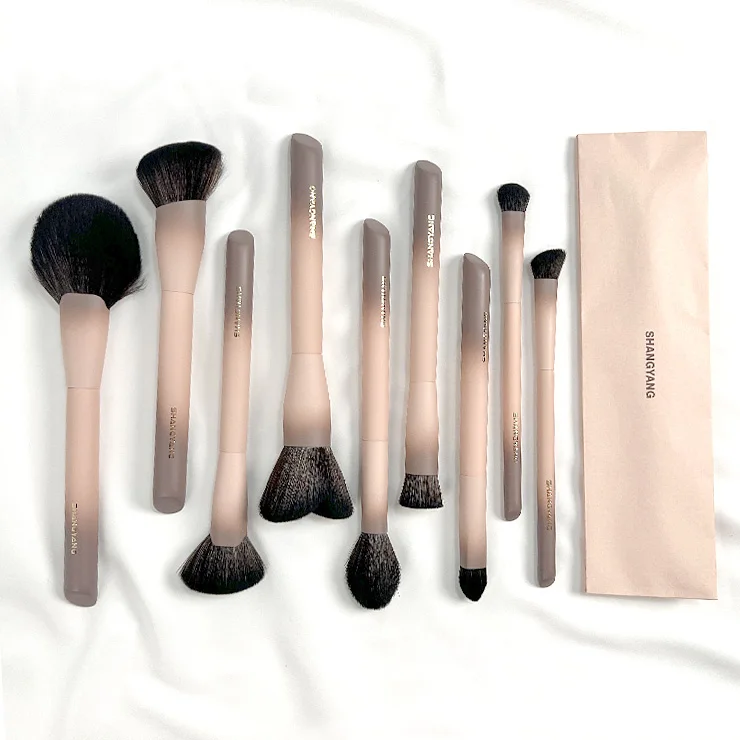
Et professionelt studio opererer under forhold, der stiller langt større krav til dets værktøjer end en hjemmehandlingsrutine nogensinde ville gøre. Kunstnere arbejder med flere kunder hver dag og har derfor brug for pensler, der bevarer deres form, børstehårenes integritet og ydeevne fra session til session. Når man indkøber en makeupbørste sæt til studiebrug: Købere skal vurdere børstehårets kvalitet, håndtagets konstruktion, ferrulens holdbarhed og den samlede sammensætning af sættet. Denne guide gennemgår hver afgørende beslutningsfaktor, så studieprofessionelle og B2B-købere kan tilpasse deres indkøbskriterier til reelle driftsmæssige behov.
Et professionelt studiemiljø stiller en række krav til ydeevnen, som de fleste forbrugergrads børstesæt simpelthen ikke kan opfylde. Kunstnere bruger børster gentagne gange i løbet af dagen, ofte med flere klienter om dagen med forskellige hudtoner, -teksturer og -tilstande. Hver brug udsætter børstehårene for foundation, pulver, contouringprodukter og øjepigmenter, efterfulgt af regelmæssig desinficering med alkoholbaserede rengøringsmidler eller børsteshampoos. En makeupbørste sæt der ikke kan klare denne kemiske påvirkning og mekaniske belastning, vil miste hårene, miste formen og forringes hurtigt.
Ud over holdbarhed er konsistens i anvendelsen afgørende i studiearbejde. Kunder forventer fejlfrie resultater, der afspejler kunstnerens færdigheder, ikke begrænsningerne i deres værktøjer. Pensler, der fungerer inkonsekvent – f.eks. opsamler for meget produkt i én streg og for lidt i den næste – introducerer variationer, der undergraver professionel output. Dette gør kvaliteten af børstehårets tæthed, præcisionen i skæringen og ergonomien i håndtaget langt mere vigtig i et studiemiljø end i et privat brugsmiljø.
Når en enkeltperson køber en makeupbørste sæt deres primære overvejelser er typisk æstetik, pris og grundlæggende funktionalitet. Studiekøbere skal derimod tænke i termer af mængde, levetidsomkostninger, klientsikkerhed og brandimage. Et sæt, der købes til studiebrug, repræsenterer ikke blot et værktøj, men en investering, der afspejler studiets professionelle standard. Dårlige værktøjer signalerer dårlige standarder til kunderne – uanset kunstnerens faktiske færdighedsniveau.
B2B-købere, der indkøber penselsæt til flere arbejdsstationer eller professionelle uddannelsesprogrammer, skal også overveje skalerbarhed og ensartethed på tværs af enhederne. Hver pensel i hvert sæt skal yde samme niveau for at sikre, at alle kunstnere på holdet kan levere konsekvente resultater. Derfor kræver studieindkøb en langt mere stringent vurderingsramme end individuel detailindkøb.
Valget mellem syntetiske og naturlige børster er en af de vigtigste beslutninger ved valg af en makeupbørste sæt til professionelt brug. Naturlige børster, traditionelt fremstillet af dyrehår som eksempelvis egern, ged eller sabelpels, er berømte for deres blødhed og evne til at blande pulverprodukter glat og problemfrit. De er dog mere følsomme over for kemiske desinficeringsmidler, kan optage produktrester mere dybt og rejser bekymringer omkring veganske og kruelty-free-standarder – aspekter, der er blevet stadig vigtigere for moderne kunder og studier.
Syntetiske børster har udviklet sig markant de seneste år og kan nu konkurrere med naturlige fibre i præstation, især ved væske- og cremebaserede formuleringer. Højtkvalitets syntetiske børster er ikke-porøse, hvilket gør dem nemmere at desinficere grundigt mellem kunder – en afgørende hygiejnekrav i ethvert studio. Mange premium makeupbørste sæt mulighederne omfatter nu ultrafine syntetiske fibre, der er udviklet til at efterligne blødheden og blandingsevnen hos naturligt hår, samtidig med at de tilbyder overlegen holdbarhed og opfylder kravene til kruelty-free-standarder.
Ud over materialet afgør tætheden og formen af børstehårene, hvordan en børste udfører bestemte anvendelsesopgaver. En tæt pakket flad børste vil afsætte produkt med større dækning, mens en løst konstrueret viftebørste skaber bløde, diffuserede effekter. Professionelle studier kræver en makeupbørste sæt børste med præcist beskårne børstehår, der leverer forudsigelige og gentagelige resultater hos forskellige kunstnere og kunder.
Snittet af børstehårets spids – enten fladt, spidst, kuppelformet eller vinklet – skal være afstemt til de specifikke teknikker, som studiet udfører mest hyppigt. Bryllupsstudier kan prioritere fejlfrie blandingsbørster, mens special-effektstudier kræver præcise kontureringværktøjer. Enhver professionel makeupbørste sæt skal omfatte en velovervejet udvælgelse af former, der dækker hele spektret af studieanvendelser uden overflødige værktøjer, der optager plads og budget uden at tilføje funktionel værdi.
Håndtaget på en makeup-pensel er langt mere end et æstetisk overvejning — det påvirker direkte ergonomien, levetiden og mærkevarens opfattelse. I et studio, der opererer med høj kapacitet, holder kunstnere pensler i timer ad gangen. En makeupbørste sæt med håndtag, der er for lette, for tunge eller dårligt afbalancerede, vil bidrage til håndtræthed og mindske præcisionen ved anvendelsen over en lang arbejdsdag.
Træhåndtag forbliver et foretrukket valg i professionelle sammenhænge på grund af deres naturlige greb, taktil varme og æstetiske kvalitet, som kommunikerer håndværk. Højtkvalitetslakerede træhåndtag er modstandsdygtige over for fugt, når de er korrekt forseglet – en egenskab, der er afgørende, da studiepensler ofte rengøres hyppigt. Studier, der fremstiller et premiummærke, bør især overveje en makeupbørste sæt med polerede træhåndtag, da disse kommunikerer luksus og professionel kompetence til kunderne allerede i det øjeblik de ses i brug.
Ferrulen — den metalring, der forbinder børsterne med håndtaget — er en kritisk konstruktionskomponent, som ofte overses ved vurdering af børster. I børstesæt af lavere kvalitet er ferrulerne klemmet løst eller dårligt limet, hvilket med tiden fører til, at børsterne falder ud og håndtaget adskilles fra børstehovedet. For et studie er faldende børster ikke blot en irriterende omstændighed; det udgør en hygiejnerisiko og en sikkerhedsrisiko for kunderne, som kan skade studiets ry.
Ferruler af professionel kvalitet fremstilles typisk i sømløs aluminium eller messing og klemmes samt limes med stærke klæbemidler for at forhindre vaklen og løsning. Når man vurderer en makeupbørste sæt til indkøb for studiet, bør køberne fysisk teste ferrulens stabilitet ved forsigtigt at dreje og trække i børstehovedet. Ethvert tegn på bevægelse mellem ferrulen og håndtaget eller mellem ferrulen og børstebasen er et tydeligt tegn på undermålig konstruktion, der ikke vil holde til studieforhold.
Et professionelt studie kræver et makeupbørste sæt sæt, der dækker alle større anvendelseskategorier uden unødvendig duplication. Sættet skal indeholde grundlæggende værktøjer til ansigtsdækning, konturering, fremhævelse, øjenapplikation, blanding og læbeafgrænsning. Hver pensel i sættet skal kunne retfærdiggøre sin inklusion baseret på en tydelig funktionel rolle i stedet for blot at øge antallet af penser i sættet for at skabe en falsk opfattelse af værdi.
Når man vurderer sammensætningen af et sæt, bør studiekøbere kortlægge hver pensel i forhold til de tjenester, de udfører mest hyppigt. Et ni-dels makeupbørste sæt sæt med omhyggeligt udvalgte værktøjer kan dække en fuld professionel applikation langt mere effektivt end et tyve-dels sæt, der er fyldt med overflødige eller lavnyttige penser. Målet er funktional kompletthed, ikke numerisk mængde, og erfarna studieoperatører forstår, at en mere strømlinet, højtkvalitet samling yder bedre end en overfyldt samling.
For studier, der bygger et genkendeligt brand, eller skønhedsforretninger, der ønsker at tilbyde mærkeprægede merchandiseprodukter, udvider tilgængeligheden af private label- og brugerdefinerede muligheder betydeligt den strategiske værdi af en makeupbørste sæt brugerdefineret etikettering giver studierne mulighed for at præsentere deres eget brand på professionelle værktøjer, hvilket skaber et sammenhængende billede, der styrker brandidentiteten ved hver kundekontakt.
Private label-programmer giver også studierne mulighed for at udvikle eksklusive produktlinjer, som kan sælges som detailtilbehør og generere en ekstra indtægtsstrøm. Når man indkøber en brugerdefineret makeupbørste sæt , bør køberne vurdere leverandørens minimumsordremængder, omfang af brugerdefinering — herunder håndtagets farve, graveringer og emballagevalg — samt kvalitetskontrolprocesser. En pålidelig leverandør vil levere prøver til godkendelse før fuld produktion, så det endelige produkt opfylder studiets standarder.
Klienthygiejne er en ufravigelig standard i ethvert professionelt studie, og de makeupbørste sæt pensler, et studie bruger, skal være kompatible med strenge desinfektionsprotokoller. Pensler, der afgiver for meget produktrester, holder bakterier tilbage i tætte børstehårklumper eller nedbrydes hurtigt ved kontakt med almindelige desinficerende midler, udgør en risiko. Studier skal sikre sig, at de valgte penslematerialer kan klare daglig rengøring uden at påvirke ydeevnen eller den strukturelle integritet negativt.
Synthetiske børstehår overgår som regel naturlige børstehår i forhold til desinfektionskompatibilitet, fordi deres ikke-porøse overflade tillader grundig rengøring uden dyb absorption af bakterier eller produkt. Alkoholbaserede spraydesinficeringsmidler, som er de mest almindeligt anvendte hurtigdesinficeringsmidler i studiemiljøer, virker særligt effektivt på synthetiske pensler. En højtkvalitet makeupbørste sæt pensel, der er designet til professionel brug, skal angive leverandørens anbefalede rengøringsmetoder, og købere bør bekræfte kompatibiliteten i vurderingsfasen.
Selv den højst kvalificerede makeupbørste sæt vil forringes for tidligt uden korrekt opbevaring og vedligeholdelse. Pensler, der opbevares med børsterne opad i beholdere eller lægges fladt til tørring efter rengøring, bibeholder deres form langt længere end dem, der opbevares forkert. Studier bør investere i penselruller, standere eller enkeltpose, der beskytter børsternes integritet mellem sessioner.
Dybrengøring med en professionel penselshampoo en gang om ugen kombineret med daglig hurtigtørrende desinficering danner en vedligeholdelsesrutine, der betydeligt forlænger den funktionelle levetid for ethvert studie makeupbørste sæt . At undervise studiemedarbejdere i korrekte vedligeholdelsesprocedurer er lige så vigtigt som den oprindelige indkøbsbeslutning, da selv premium-pensler forringes hurtigt under dårlig pleje.
Børstekvalitet og kompatibilitet med desinficering er de to mest kritiske faktorer. En professionel makeupbørste sæt skal levere konsekvent anvendelsesydelse, mens de tåber gentagne daglige rengøringer med alkoholbaserede eller sæbebaserede desinficeringsmidler. Strukturel integritet — især ferrulkonstruktion og børstehårsfastgørelse — er lige så afgørende for langvarig pålidelighed ved højbelastet studiebrug.
For de fleste professionelle studiemiljøer tilbyder syntetiske børstehår betydelige fordele, herunder nemmere desinficering, større holdbarhed over for kemiske rengøringsmidler og overholdelse af kravene til kruelty-free-standarder. Højtkvalitets syntetiske fibre i et moderne makeupbørste sæt kan matche eller overgå ydelsen fra naturlige børstehår ved brug med væske- og cremeprodukter, hvilket gør dem til det praktiske valg for studier, der prioriterer hygiejne og levetid.
Det ideelle antal afhænger af det udvalg af ydelser, der tilbydes, men et veludformet makeupbørste sæt af otte til tolv stykker kan dække en fuld professionel anvendelse, når hver pensel udfører en specifik funktion. Studier bør prioritere funktional fuldstændighed frem for antal og sikre, at hver pensel i sættet imødekommer et specifikt anvendelsesbehov uden unødigt overlap.
Ja, mange professionelle leverandører tilbyder private label- og tilpassede muligheder, der giver studier mulighed for at mærke et makeupbørste sæt med deres eget logo, håndtagfarver eller emballage. Dette skaber en sammenhængende brandoplevelse for kunderne og åbner mulighed for en potentiel detailhandelsindtægt. Studier bør anmode om prøver, inden de forpligter sig til en fuld private label-bestilling, for at sikre, at kvalitetsstandarderne opfylder deres professionelle krav.
 EN
EN
 AR
AR BG
BG HR
HR CS
CS DA
DA NL
NL FI
FI FR
FR DE
DE EL
EL HI
HI IT
IT JA
JA KO
KO NO
NO PL
PL PT
PT RO
RO RU
RU ES
ES SV
SV CA
CA TL
TL IW
IW ID
ID LV
LV LT
LT SR
SR SK
SK SL
SL UK
UK VI
VI SQ
SQ ET
ET GL
GL HU
HU TH
TH TR
TR