
SHANGYANG TECHNOLOOGIA CO.,LTD
SHANGYANG TECHNOLOOGIA CO.,LTD
Materjalivalik on edukate huulte puhastusvahendite tootmise aluseks, mõjutades otseselt toote tööd, vastupidavust ja kasutaja rahulolu. Materjalide valik mõjutab kõike rakendamise täpsusest kuni puhastusvahendi eluiga, mistõttu on see kriitiline otsus, mida tootjad ei saa eirata. Tänapäeva konkurentsikas kosmeetikaturul nõuavad tarbijad huulte puhastusvahendeid, mis tagavad puudutuseta rakendamise ja säilitavad oma terviklikkuse korduvate kasutustega, mis seab tootjaid suurde surve alla valida materjalid, mis vastavad neile täpsetele nõuetele.
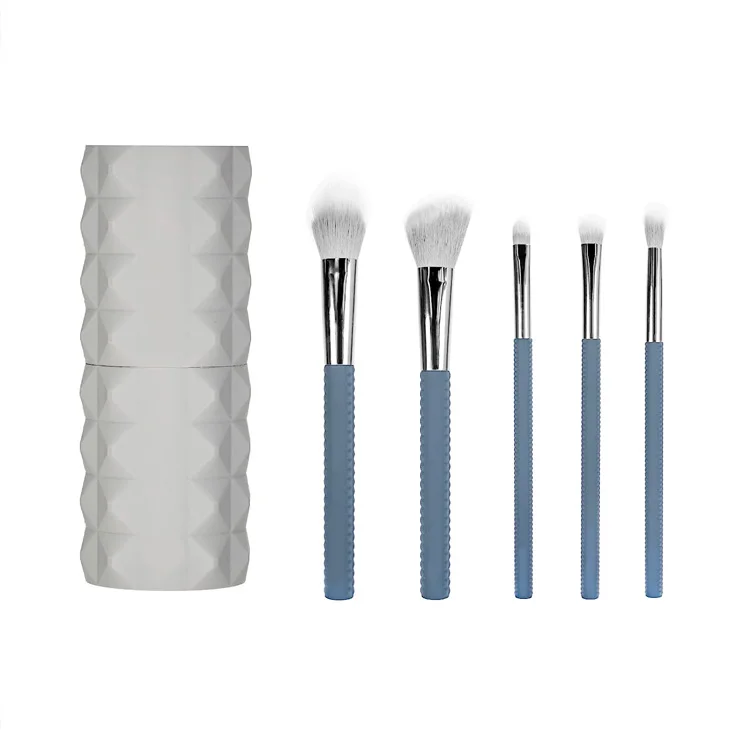
Lisaks keerukusele huulte puhastusvahendi tootmisel ulatuvad palju kaugemale lihtsatest montaazhprotsessidest ja nõuavad sügavat mõistmist sellest, kuidas erinevad materjalid interakteeruvad kosmeetikavalemite ja kasutajate rakendustehnikatega. Sobimatute materjalide valik võib põhjustada esinemise, et harjad kaotavad karvad, ei suuda toodet tõhusalt koguda või lagunevad kiiresti tavapärastes kasutustingimustes. Sellised ebaõnnestumised kahjustavad mitte ainult brändi mainet, vaid tekitavad ka kulukaid garantii- ja klienditeenindusküsimusi, mis võivad oluliselt mõjutada kasumlikkust ja turupositsiooni.
Looduslikust karvast valmistatud lipupintseldid pakuvad huulte pintseldite tootmisel unikaalseid eeliseid, kuna nad suudavad kosmeetikatooteid ühtlaselt hoida ja jaotada huulte pinnal. Sabelkarv, mis pärineb kolinski või metsasõtku liikidest, pakub erilist elastsust ja vastupanuvõimet, mis võimaldab täpset rakenduskontrolli – seda nõuavad professionaalsed meikimisartistid. Loodusliku karva kutikulstruktuur loob mikroskoopilisi kanaleid, mis parandavad toote kogumist ja vabanemist, mistõttu on need materjalid eriti väärtuslikud kõrgklassiliste lipupintseldite tootmisel.
Süntetiliste karvade alternatiivid on pööratanud ümber huulte harjade tootmist, pakkudes püsivat kvaliteeti ja kasutusomandeid, mida looduslikud materjalid ei pruugi alati tagada. Polüesteri ja nilooni kiudude läbimõõtu ja otsa konfiguratsiooni saab täpselt reguleerida, tagades ühtlase kvaliteedi kogu tootmispartii ulatuses. Need materjalid pakuvad ka paremat vastupanu kosmeetikakomponentide põhjustatud keemilisele lagunemisele, pikendades seega harja eluiga ja säilitades rakendusomadusi pikema kasutusaja jooksul.
Lõuasõrme valik looduslike või süntetiliste karvadega mõjutab oluliselt tootmiskulusid ja sihtturupositioneerimist lõuasõrmete tootmisoperatsioonides. Looduslikud materjalid on tavaliselt kallimad, sest nende päritolu ja töötlemine on keerukam, samas kui süntetilised variandid pakuvad kulueeliseid ja skaalatavuse eeliseid massituru tootmisele. Siiski peavad mõlema materjalitüübi toimetusomadused vastama ettenähtud kasutusjuhtudele ja tarbijate ootustele, et tagada turul edu.
Ferruli disain ja materjali valik mängivad olulist rolli huulte harjade tootmise kvaliteedi ja eluiga tagamisel. Alumiiniumferrulid pakuvad kerget konstruktsiooni ja erakordset korrosioonikindlust, mistõttu on nad ideaalsed huulte harjade tootmise rakendustes, kus esineb sageli niiskusega kokkupuude. Materjali paindlikkus võimaldab täpselt kruvitud ühenduste tegemist, mis kindlustavad karvad ilma üksiku kiudu kahjustamiseta, tagades seeläbi püsiva harja töökindluse kogu toote elutsükli vältel.
Kulla ja vasaku sulamid pakuvad ületavat vastupidavust ja mõõtmete stabiilsust nõudvates huulte harjade tootmisetingimustes, eriti professionaalse taseme toodete puhul, mida tuleb sageli puhastada ja steriliseerida. Need materjalid säilitavad oma struktuurilise terviklikkuse korduvate koormus- ja stressitsüklite all ning tagavad samas erinäidest kleepumisomadusi epoksi- või muudele kleepumisainetele, mida kasutatakse karvade kinnitamisel.
Rostivabad terasest ferrulid esindavad lipupintslite tootmisel kõrgema taseme tooteid, pakkudes erakordset korrosioonikindlust ja mehaanilist tugevust rakendustes, kus nõutakse maksimaalset vastupidavust. Materjali mittereaktiivsed omadused tagavad ühilduvuse agressiivsete puhastuslahustite ja desinfitseerivate ainetega, mida kasutatakse sageli professionaalses meikimiskeskkonnas, mistõttu on see eelistatud valik kõrgklassiliste lipupintslite tootmiseks, mille sihtgrupiks on professionaalne turundus.
Traditsioonilised puistest käepidemed säilitavad populaarsuse huulte harjade tootmisel nende loomuliku esteetilise atraktiivsuse ja mugava kinnitumisega. Pärn on eriti sobiv keskmise hinnaklassiga huulte harjade tootmiseks, kuna see pakub suurepäraseid mõõtmete stabiilsusomadusi ja peene struktuuriga kiud, mis võimaldab erinevaid pinnatöötlusi. Materjali mõõdukas tihedus tagab tasakaalustatud kaalujaotuse ning säilitab vastupidavuse tavapärastes kasutustingimustes.
Kõrgklassilised tugevpuud, näiteks kask ja pappel, pakuvad ülitäpsust tooteid kõrgklassiliste huulte harjade tootmisele. Need materjalid on eriti vastupidavad niiskuse imendumisele ja mõõtmete muutustele – olulised tegurid käepideme terviklikkuse ja kasutaja mugavuse säilitamisel pikema aegajaga. Tiheda kiudstruktuur tagab ka pinnatöötluse järel erinäolise pinnatäpsuse, parandades lõppkasutaja taktiilset kogemust.
Säästva puiduallika kasutamine on saanud tänapäevases huulte harja tootmises üha olulisemaks, kuna tootjad otsivad sertifitseeritud materjale, mis vastavad keskkonnasäästlikkuse nõuetele. Bambus ja muud kiiresti taastuvad ressursid pakuvad elujõulisi alternatiive, mis säilitavad oma tööomadused ning samal ajal lahendavad säästvuse küsimusi, mis mõjutavad ostuotsuseid kaasaegsetes turgudes.
Termoplastsed materjalid on muutnud huulte harja tootmist, võimaldades keerukaid geomeetria- ja integreeritud funktsioone, mida traditsioonilised materjalid ei suuda tagada. Polüpropüleen ja ABS-plastid pakuvad erakordset keemilist stabiilsust ja mõõtmetelist stabiilsust ning võimaldavad odavat massitootmist süstlusküllitusprotsesside abil. Need materjalid toetavad ka edasijõudnud pinnakäsitlemis- ja tekstureerimisvõimalusi, mis parandavad haardeomadusi ja visuaalset atraktiivsust.
Komposiitmaterjalid, mis sisaldavad klaasikiudu või muid tugevduselemendid, pakuvad suurendatud tugevus- ja vastupidavusomadusi nõudlikuks labiapitsa valmistamiseks. Need täiustatud materjalid säilitavad kergemeelse ehituse, samal ajal pakkudes mehaanilisi omadusi, mis ületavad traditsioonilisi lahendusi, mistõttu on nad eriti sobivad professionaalsete tööriistade jaoks, mida kasutatakse intensiivselt.
Metallist käepidemed, mida valmistatakse tavaliselt alumiiniumi sulamitest või roostevabast terasest, tagavad maksimaalse vastupidavuse ja professionaalse välimuse premium-labiapitsade tootmise segmentides. Materjalide loomulikud antimikroobsete omaduste ja steriliseerimise lihtsus teeb neid ideaalseks rakendusteks, kus kehtivad rangeid hügieeninõuded, näiteks meikijate komplektid ja meditsiinilised rakendused.
Pigmentpintsli materjalide ja kosmeetikavalemite vaheline interaktsioon on lipikupintsli tootmisel oluline tegur, mis mõjutab otseselt toote töökindlust ja kasutaja rahulolu. Õlidest, vahadest ja värvainetest koosnevad lipikuvormulatsioonid võivad põhjustada teatud süntetiliste materjalide lagunemist või paisumist, mis viib karvade deformatsioonini ja rakendustäpsuse vähenemiseni. Nende keemiliste interaktsioonide mõistmine võimaldab tootjatel valida materjalid, mis säilitavad oma omadused erinevate kosmeetikakomponentidega kokkupuutel.
Silikoonipõhised kosmeetikatooted esitavad erilisi väljakutseid huulte harjade tootmisel materjalivaliku osas nende eriliste keemiliste omaduste ja interaktsioonimustrite tõttu. Mõned süntetilised karvamaterjalid võivad muutuda korduvat silikooniühenditega kokkupuutumisel habraseks või kaotada oma paindlikkuse, samas kui teatud looduslikud materjalid võivad neid koostisosasid imeda ja muutuda tõhusaks puhastamiseks raskeks. Sobivate materjalide testimine ja valideerimine on oluline, et tagada ühilduvus erinevate tootekoostiste vahel.
kosmeetikatoodete pH-tase võib märkimisväärselt mõjutada materjalide eluiga ja toimivust huulte harjade tootmisel. Happelised või leelislikud tooted võivad põhjustada metallkomponentides korrosiooni või teatud polümeer-materjalides lagunemist, mistõttu tuleb materjalivalik teha hoolikalt lähtuvalt eeldatavatest kasutussituatsioonidest ja keemilisest koostisest läbi kogu toote elutsükli.
Professionaalsed puhastusained ja desinfitseerimisvahendid, mida kasutatakse meikimisel, teevad täiendavaid materjalivaliku väljakutseid huulte harjade tootmisprotsessides. Alkohoolsete puhastusainete kasutamine võib põhjustada teatud plastkomponentides paisumist või pragunemist ning potentsiaalselt lahustada karvade kinnitussüsteemis kasutatavaid liime. Materjalivalik peab arvestama neid kokkupuuteolukordi, et tagada pikaajaline toote usaldusväärsus ja kasutaja rahulolu.
Harjadele rakendatavad antimikroobsed töötlused nõuavad ühilduvuse hindamist nii kosmeetikatoodetega kui ka lõppkasutajate poolt tavaliselt kasutatavate puhastusmenetlustega. Mõned antimikroobsed ained võivad negatiivselt reageerida kindlate kosmeetikakomponentidega või kaotada oma tõhususe teatud puhastuslahustite mõjul, mistõttu tuleb neid hoolikalt hinnata huulte harjade tootmise disainietapis.
Kutsealaselt kasutatavad kuumtöötlemise protseduurid põhjustavad liivapintslite materjalidele täiendavat koormust, eriti termoplastsete komponentide puhul, mis võivad kõrgematel temperatuuridel pehmeneda või deformeeruda. Professionaalsetele turgudele mõeldud huultepintslite tootmisel tuleb materjalide valikul ja monteerimismeetodite kavandamisel arvestada neid äärmuslikke kasutustingimusi, et tagada toote terviklikkus kõigis eeldatavates kasutussituatsioonides.
Täielikud testiprotokollid moodustavad huultepintslite tootmisoperatsioonides edukate materjalide valiku aluse. Kasvuvarustuse testid hõlmavad pintsliproovidele korduvate kasutusüklite rakendamist, mis simuleerivad tavakasutaja rakendusmustrit, ning karvade säilitumise, käepideme terviklikkuse ja üldise töökindluse halvenemise mõõtmist aeglaselt. Need testid annavad kvantitatiivset andmestikku, mis juhib materjalide valiku otsuseid ja kvaliteedinõuete arendamist.
Keemiline ühilduvustestimine tagab, et valitud materjalid säilitavad oma omadused, kui neid kokku puututakse erinevate kosmeetikatoote koostistega ja puhastusvahenditega, mida tavaliselt kasutatakse reaalsetes kasutussituatsioonides. Selle testimeetodiga eksponeeritakse materjali näidiseid esindavatele kosmeetikatoodetele pikema aja jooksul ning jälgitakse muutusi füüsilistes omadustes, mõõtmetel ja pinnakarakteristikutes, mis võivad mõjutada harja tööd.
Mehaanilise koormuse testimine hindab materjali käitumist erinevate koormustingimuste all, mis tekivad harja tavapärasel kasutamisel, sealhulgas käepideme paindemõjude ja karvade kimpude surumiskoormuste all toote rakendamisel. Need testid aitavad tuvastada potentsiaalsed ebaõnnestumisviisid ning kehtestada sobivad ohutustegurid huuleharjade tootmise konstruktsiooninõuetes.
Statistilise protsessi juhtimise meetodid võimaldavad huulte pintsli tootmisoperatsioonidel säilitada püsiva materjali kvaliteedi ning tuvastada trende, mis võivad viidata potentsiaalsetele probleemidele enne, kui need mõjutavad tootmistulemusi. Kontrollkaartid, mis jälgivad olulisi materjaliparameetreid, näiteks karvade läbimõõtu, käepideme mõõtmeid ja metallkorki kinnitustugevust, annavad varajase hoiatuse kvaliteedihälvede kohta, mille korral on vajalikud parandusmeetmed.
Sisenevate materjalide inspektsiooniprotseduurid tagavad, et toorained vastavad kehtestatud spetsifikatsioonidele enne huulte pintsli tootmisprotsessi sisenemist. Need inspektsioonid hõlmavad mõõtmete kontrolli, visuaalset kvaliteedihinnangut ning oluliste omaduste töökindluse testimist, mis mõjutavad otseselt lõpliku toote kvaliteeti ja kasutaja rahulolu.
Tarnija kvalifikatsiooniprogrammid loovad partnerlussuhteid materjalitarnijatega, kes demonstreerivad pidevat kvaliteedikohast tarnimist ja tehnilist toeoskust, mida on vaja edukaks huulte harja tootmiseks. Need programmid hõlmavad tehase audituid, kvaliteedikontrollisüsteemi hindamisi ning pidevat tulemuste jälgimist, et tagada püsiv vastavus kehtestatud standarditele ja nõuetele.
Olulisemad materjaliparametrid huulte harja tootmisel hõlmavad keemilist ühilduvust kosmeetikavalemitega, dimensioonilist stabiilsust erinevates keskkonnatingimustes, mehaanilist vastupidavust korduvate kasutusütsuste jaoks ning pinnakarakteristikuid, mis mõjutavad toote kogumist ja rakendamise jõudlust. Lisaks peavad materjalid näitama sobivat paindlikkust, elastsete omaduste (spring) sobivust ning vastupidavust kosmeetikarakendustes tavaliselt kasutatavatele puhastusainetele.
Looduslikud karvamaterjalid pakuvad tavaliselt paremat toote kogumise ja rakendamise omadusi nende kutilaagri struktuuri ja loomulike elastsusomaduste tõttu, mistõttu neid eeldatakse kõrgklassiliste huulte peenikeste puhvrite tootmisel. Sünteetilised materjalid pakuvad suuremat ühtlust, keemilist vastupidavust ja kulueeliseid ning võimaldavad disaini paindlikkust erikasutustes. Valik sõltub sihtturule esitatavatest nõuetest, toimivusnäitajatest ja iga huulte peenikeste puhvrite tootmisprojekti konkreetsetest kuluküsimustest.
Ferruli materjali valik mõjutab otseselt karvade kinnitumist, korrosioonikindlust ja lipubrushide tootmisel kasutatavate brushide üldist eluiga. Ferrul peab tagama kindla karvade kinnitumise ning vastu seismat kosmeetikatoodete ja puhastusvahendite põhjustatud lagunemisele. Materjali valik mõjutab ka tootmisprotsesse, maksumustrit ja lõpliku toote positsioneerimist konkurentsiväljas.
Materjali valik mõjutab oluliselt nii otsest materjalikulust kui ka kaudseid tootmiskulusid lipubrushide tootmisoperatsioonides. Kõrgklassilised materjalid, näiteks looduslikud karvad või roostevabast terasest komponendid, suurendavad toorainekulusid, kuid võivad vähendada garantiikohustusi ja tugevdada brändi positsioneerimist. Vastupidi, sünteetilised alternatiivid võivad pakkuda madalamaid materjalikulusid, kuid nõuavad erinevaid töötlemistehnoloogiaid ja kvaliteedikontrolli protseduure, mis mõjutavad kogu tootmise majanduslikku efektiivsust.
 EN
EN
 AR
AR BG
BG HR
HR CS
CS DA
DA NL
NL FI
FI FR
FR DE
DE EL
EL HI
HI IT
IT JA
JA KO
KO NO
NO PL
PL PT
PT RO
RO RU
RU ES
ES SV
SV CA
CA TL
TL IW
IW ID
ID LV
LV LT
LT SR
SR SK
SK SL
SL UK
UK VI
VI SQ
SQ ET
ET GL
GL HU
HU TH
TH TR
TR