
SHANGYANG TECHNOLOGY CO.,LTD
SHANGYANG TECHNOLOGY CO.,LTD
Managing a lip brush supply chain effectively requires understanding every stage from initial design concept through final product delivery to customers. A successful lip brush supply chain integrates product development, supplier coordination, quality control, and logistics into one streamlined process. Whether you manufacture lip brushes in-house or work with multiple vendors, the complexity of managing a lip brush supply chain grows with market demand and product customization requirements. This guide explores the critical phases of managing a lip brush supply chain and provides actionable insights for optimizing your operations in the competitive cosmetics manufacturing industry.
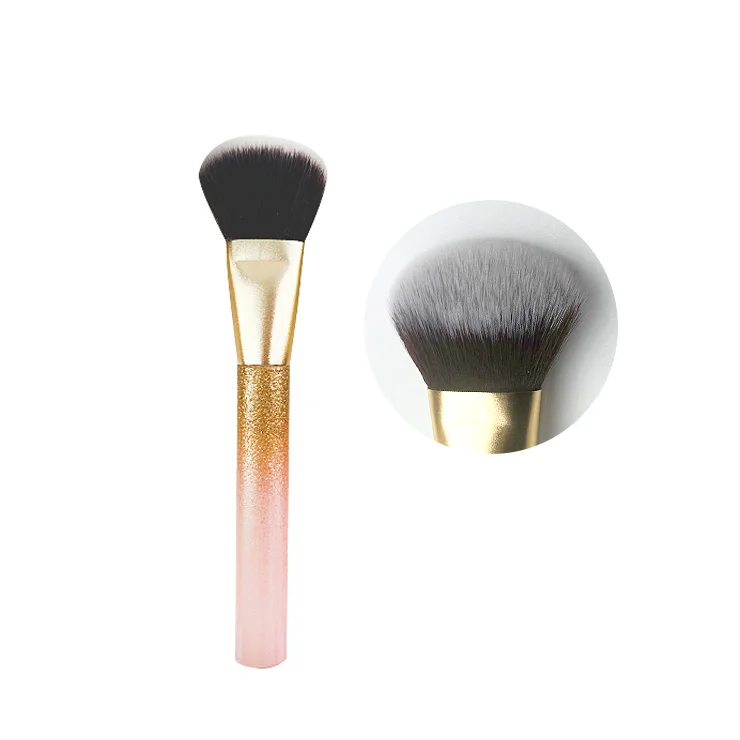
The beauty and cosmetics industry depends on reliable suppliers and efficient production schedules to meet consumer demand. A well-organized lip brush supply chain reduces lead times, minimizes waste, and ensures consistent product quality across all shipments. Understanding the full scope of your lip brush supply chain—from raw material sourcing to warehouse distribution—enables you to identify bottlenecks, reduce costs, and respond quickly to market trends. This article breaks down the essential components of managing a lip brush supply chain and highlights best practices for each phase.
The design phase is where your lip brush supply chain begins. Before production can start, you must finalize specifications including brush size, bristle type, handle material, and packaging design. Clear design documentation is crucial for any lip brush supply chain because it sets quality standards that suppliers will follow. Collaborate with your design team to create detailed technical drawings, material lists, and performance requirements that will guide your entire lip brush supply chain forward. This stage also involves selecting bristle materials—synthetic or natural—which directly impacts costs, sourcing complexity, and production timelines for your lip brush supply chain.
Once your lip brush design is finalized, selecting the right suppliers becomes the next priority in your lip brush supply chain. Evaluate potential suppliers based on production capacity, quality certifications, lead times, and cost competitiveness. A robust lip brush supply chain requires vetting multiple suppliers for each critical component—bristles, handles, ferrules, and packaging materials. Request samples from qualified suppliers and conduct thorough testing to confirm they meet your specifications before committing to large orders. Building strong relationships with your suppliers strengthens your lip brush supply chain and creates opportunities for better pricing, faster turnaround times, and collaborative problem-solving when issues arise.
Effective raw material procurement is fundamental to managing a successful lip brush supply chain. You must establish relationships with bristle manufacturers, handle producers, and packaging suppliers while maintaining consistent inventory levels. A well-planned lip brush supply chain includes forecasting demand at least three to six months in advance to secure adequate materials and avoid production delays. Monitor supplier performance metrics such as on-time delivery, defect rates, and responsiveness to changes. Diversifying your supplier base for critical materials reduces risk in your lip brush supply chain by preventing single-point failures if one supplier faces disruptions.
Quality assurance must be embedded throughout your lip brush supply chain from production start to final packaging. Implement inspection checkpoints at each manufacturing stage to catch defects early and prevent costly rework or customer complaints. Your lip brush supply chain should include standardized testing protocols for bristle retention, handle durability, and color consistency. Document all quality metrics and maintain traceability records so you can quickly identify and resolve issues if they occur. Establishing strong quality standards strengthens your brand reputation and reduces the risk of costly recalls that could disrupt your entire lip brush supply chain.
Managing inventory levels is critical to balancing supply and demand throughout your lip brush supply chain. Implement inventory management systems that track stock levels in real time and alert you when reorder points are reached. Your lip brush supply chain benefits from strategic inventory positioning—holding some stock at regional distribution centers reduces delivery times to customers while minimizing excess inventory costs. Consider seasonal demand fluctuations and plan your lip brush supply chain accordingly, building inventory ahead of peak selling periods. Effective warehousing practices including proper labeling, climate control, and organized picking systems ensure your lip brush supply chain operates efficiently from storage to shipment.
Transportation represents a major cost component of any lip brush supply chain, making carrier selection and route optimization essential. Negotiate favorable rates with multiple logistics providers to reduce per-unit shipping costs while maintaining reliable delivery schedules across your lip brush supply chain. Consider consolidating shipments when possible to improve efficiency and lower carbon footprint throughout your lip brush supply chain. Track shipments in real time to provide customers with accurate delivery estimates and proactively manage any delays. Last-mile delivery—the final step in your lip brush supply chain—should be smooth and professional since it represents your brand's last impression on the customer.
Regularly analyze your lip brush supply chain to identify where delays, quality issues, or cost overruns occur most frequently. Use data analytics to track performance metrics across all stages of your lip brush supply chain and benchmark against industry standards. Common bottlenecks in a lip brush supply chain include supplier lead times, production capacity constraints, and inventory carrying costs. Engaging directly with your suppliers to understand their constraints helps you develop collaborative solutions that improve your entire lip brush supply chain. Consider implementing lean manufacturing principles to reduce waste and streamline processes throughout your lip brush supply chain.
Every lip brush supply chain faces potential disruptions from supplier failures, natural disasters, quality issues, or demand shocks. Develop contingency plans identifying backup suppliers and alternative manufacturing locations to protect your lip brush supply chain. Maintain safety stock of critical materials to buffer against unexpected interruptions in your lip brush supply chain. Document your risks and mitigation strategies regularly, updating them as market conditions and business priorities change. A resilient lip brush supply chain includes communication protocols, escalation procedures, and decision-making frameworks that enable you to respond quickly when problems arise.
Lead times in a lip brush supply chain typically range from six to twelve weeks, depending on complexity, supplier location, and production volume. Custom designs or new supplier relationships may extend this timeline. Many companies begin planning their lip brush supply chain three to six months ahead to ensure timely market launches and avoid stockouts.
Reducing costs in your lip brush supply chain requires optimizing material selection, consolidating orders to achieve volume discounts, and improving production efficiency. Negotiate long-term contracts with suppliers to lock in favorable pricing for your lip brush supply chain. Additionally, streamlining packaging design and reducing waste during manufacturing can significantly lower overall costs while maintaining the quality standards your customers expect from your lip brush supply chain.
Address supplier performance issues promptly by establishing clear communication channels and defining performance expectations upfront in contracts governing your lip brush supply chain. Schedule regular reviews with underperforming suppliers to identify root causes and develop improvement plans. If issues persist, activate backup suppliers from your diversified network to ensure continuity of your lip brush supply chain. Document all issues and resolutions to inform future supplier selection and contract negotiation strategies for your lip brush supply chain.
 EN
EN
 AR
AR BG
BG HR
HR CS
CS DA
DA NL
NL FI
FI FR
FR DE
DE EL
EL HI
HI IT
IT JA
JA KO
KO NO
NO PL
PL PT
PT RO
RO RU
RU ES
ES SV
SV CA
CA TL
TL IW
IW ID
ID LV
LV LT
LT SR
SR SK
SK SL
SL UK
UK VI
VI SQ
SQ ET
ET GL
GL HU
HU TH
TH TR
TR