
SHANGYANG TECHNOLOGY CO.,LTD
SHANGYANG TECHNOLOGY CO.,LTD
A szépségipari vállalkozások számára, amelyek piaci jelenlétük és működési kapacitásuk bővítését célozzák, stratégiai szükségszerűséggé válik megérteni, hogyan támogatja a vállalkozás méretének növelését a bőrkészítő kefék nagykereskedelmi rendelése. Akár egy kozmetikai márkát üzemeltet, akár egy szépségáru-boltot vezet, akár egy professzionális szalonhálózatot üzemeltet, az hatékony skálázás képessége a beszerzési stratégiáktól függ, amelyek kiegyensúlyozzák a költségkontrollt, az állománykezelést és a minőség-egységességet. A bőrkészítő kefékhez hasonló alapvető eszközök nagykereskedelmi beszerzése fenntartható növekedés alapját képezi, mivel csökkenti az egységenkénti költségeket, leegyszerűsíti a beszerzési lánc működését, és lehetővé teszi a vállalkozások számára, hogy növekvő ügyfélkéréseket elégítsenek ki anélkül, hogy kompromisszumot kötnének a termékminőséggel. Ez a megközelítés a beszerzést nem reaktív szükségszerűségből, hanem proaktív növekedési motorrá alakítja, amely támogatja a vállalkozás kiterjesztését több üzleti dimenzióban is.
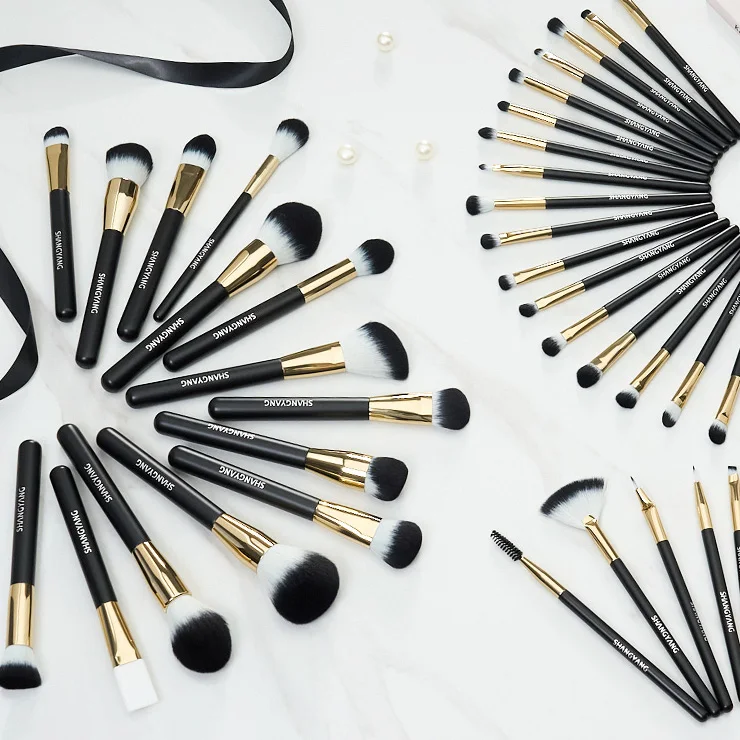
A nagykereskedelmi bőrápoló kefék megrendelése és a vállalkozás skálázhatósága közötti kapcsolat messze túlmutat az egyszerű mennyiségi kedvezményeken, és az üzemeltetési hatékonyságot, a márkakonzisztenciát, az állomány-előrejelzés pontosságát, valamint a versenyképes pozícionálódást is magában foglalja. Azok a vállalatok, amelyek stratégiai szempontból vezetik be a nagykereskedelmi beszerzési programokat, rugalmasságot nyernek a piaci lehetőségek kihasználására, jobb szállítói feltételek kikényszerítésére, valamint erőforrások átcsoportosítására az ügyfélbeszerzésre és termékfejlesztésre – ahelyett, hogy folyamatosan vészhelyzeti beszerzési feladatokkal kellene foglalkozniuk. Ahogy a kozmetikai piac egyre versenyképzettebbé válik, és a fogyasztói elvárások növekednek, a vállalkozásoknak olyan beszerzési stratégiákat kell alkalmazniuk, amelyek nem csupán az azonnali költségeket csökkentik, hanem strukturális előnyöket is teremtenek a hosszú távú bővülés támogatására. Ez a cikk a nagykereskedelmi bőrápoló kefék megrendelésének azon konkrét mechanizmusait vizsgálja, amelyek lehetővé teszik a vállalkozás skálázhatóságát, és gyakorlatias betekintést nyújt vállalatok számára különböző növekedési szakaszokban.
Amikor a vállalkozások nagy mennyiségű bőrápoló keféket rendelnek, alapvetően megváltoztatják egységnyi gazdasági mutatóikat, mivel hozzáférnek olyan mennyiségi árképzési szintekhez, amelyek kisebb vásárlók számára nem elérhetők. A gyártók és forgalmazók árképzési stratégiájukat úgy alakítják ki, hogy jutalmazzák a nagyobb megrendeléseket, mivel a nagyobb tételű megrendelések csökkentik az egyes tranzakciókra jutó költségeiket, egyszerűsítik a termelési ütemezést, és biztosítják a bevételi folyamokat. A növekvő szépségipari vállalkozások számára ez azonnali nyereségesség-javulást jelent, amely a megrendelési mennyiség növekedésével egyre erősebbé válik. Egy cég, amely 500 kefekészletet vásárol, akár 30–40%-kal többet fizethet egységenként, mint egy másik cég, amely 5000 készletet rendel, ami versenyelőny-hiányt eredményez, és ez a hátrány egyre érzékelhetőbbé válik a piaci verseny fokozódásával. A nagyobb rendelési mennyiségekbe való kötelezettségvállalással a vállalkozások e megtakarításokat újra befektethetik marketingtevékenységekbe, termékfejlesztésbe vagy földrajzi terjeszkedésbe.
A nagykereskedelmi bőrkészítő kefék megrendeléseiből származó árrés-javulás további árstratégiai rugalmasságot biztosít a lefelé irányuló piacokon, lehetővé téve a vállalkozások számára, hogy vagy az árversenyre építve növeljék piaci részüket, vagy magasabb árrés megtartásával finanszírozzák növekedési beruházásaikat. Ez a stratégiai választási lehetőség különösen értékes új piacszegmensek megnyitásakor vagy versenytársak lépéseire adott válaszként. Azok a vállalatok, amelyek kedvező egységköltségeket érnek el nagykereskedelmi vásárlással, hosszabb ideig fenntarthatják promóciós kampányukat, értékadó csomagokat kínálhatnak anélkül, hogy veszélyeztetnék jövedelmezőségüket, és ellenállhatnak a versenytársak által kifejtett ideiglenes árnyomásnak. A még csekély egységenkénti megtakarítások éves szinten több ezer egységre szorozva is jelentős bővítési kezdeményezéseket finanszírozhatnak, például további értékesítési személyzet felvételét vagy új disztribúciós központok megnyitását.
Az egységár-előnyökön túlmenően, nagykereskedelmi bőrápolati Ceruza a megrendelések drámaian csökkentik a szállítási lánc tranzakciós költségeit, amelyeket gyakran nem vesznek észre a szétdarabolt beszerzési minták esetén. Minden beszerzési tranzakció adminisztratív terheket von maga után, például szállítóval való kommunikációt, megrendelésfeldolgozást, minőségellenőrzést, fizetésfeldolgozást és logisztikai koordinációt. Amikor a vállalkozások beszerzésüket kevesebb, de nagyobb tételben összpontosítják, akkor arányosan csökkentik ezeket a tranzakciós költségeket, miközben egyszerűsítik a beszállítók menedzselését. Egy cég, amely havonta 500 darabot rendel, évente tizenkét külön beszerzési ciklust hajt végre, míg ugyanez a teljes mennyiség negyedéves, 2000 darabos nagykereskedelmi megrendelésekkel csupán négy beszerzési ciklust igényel, így az adminisztratív terhelés kétharmadával csökken.
A szállítási és logisztikai költségek szintén jelentősen csökkennek nagykereskedelmi megrendelések esetén bőrápolati Ceruza rendelések, mert a szállítmányok összevonása javítja a konténerkihasználást és csökkenti az egységenkénti fuvarozási költségeket. A nemzetközi szállítmányok különösen jótékonyan érintettek ebből az összevonásból, mivel a teljes konténeres szállítmányok egységenkénti költsége jelentősen alacsonyabb, mint a részleges konténeres szállítmányoké. Azoknak a vállalkozásoknak, amelyek kozmetikai eszközöket importálnak gyártási régiókból, a részleges és a teljes konténerkihasználás közötti különbség a teljes beérkezési költség 20–35%-át teheti ki. Ezen felül az összevont szállítmányok egyszerűsítik a vámkezelést, csökkentik a dokumentációs követelményeket, és minimalizálják a késedelmes vagy szétválasztott szállítmányok kockázatát, amelyek zavarhatják a vállalkozás működését. Ezek a láncvezérlési hatékonyságok közvetlenül támogatják a skálázhatóságot, biztosítva, hogy a beszerzési műveletek ne válnak szűk keresztmetszetté a vállalkozási térfogat növekedésével.
A skálázható vállalkozásoknak olyan készletstratégiákra van szükségük, amelyek lehetővé teszik a növekedést, miközben védelmet nyújtanak a kereslet ingadozásai és az ellátási zavarok ellen. A nagyobb mennyiségű bőrápoló kefék rendelése lehetővé teszi a vállalatok számára, hogy megfelelő pufferkészlet-szintet tartsonak fenn, amely támogatja az értékesítési növekedést anélkül, hogy gyakori kifutások vagy sürgősségi gyorsrendelések lépnének fel. Amikor a vállalatok minimális készlettel és gyakori kis rendelésekkel működnek, sebezhetővé válnak az ellátási lánc zavarai, az évszakhoz kötött keresletcsúcsok vagy a váratlan értékesítési lehetőségek számára, amelyeket nem tudnak kielégíteni. A stratégiai nagykereskedelmi vásárlás készletpuffereket hoz létre, amelyek lehetővé teszik a vállalatok számára, hogy azonnal kihasználják a növekedési lehetőségeket, ne pedig versenytársaiknak adják át az eladásokat, miközben új szállítmányokra várakoznak.
Ez a készletkezelési megközelítés különösen fontossá válik, amikor a vállalkozások több értékesítési csatornába is bejutnak, mindegyik sajátos keresleti mintákkal és teljesítési követelményekkel. Egy szépségáru-márka, amely elektronikus kereskedelmi platformokon, kiskereskedelmi partnerek révén és szakmai csatornákon keresztül értékesít, elegendő készletszintet igényel ahhoz, hogy egyszerre szolgálja ki az összes csatornát anélkül, hogy csatorna-konfliktusok vagy teljesítési késések lépnének fel. A nagykereskedelmi bőrkészítő kefék rendelései biztosítják azt a készletalapot, amely támogatja a többcsatornás bővülést, mivel garantálják a termék elérhetőségét az összes ügyfélkontaktponton. A tervezett nagykereskedelmi rendelések által létrehozott előrejelezhetőség továbbá javítja a pénzügyi előrejelzést és a forgótőke-kezelést is, mivel a vállalkozások a jelentős készletberuházásokat a saját pénzforgalmi ciklusukhoz igazíthatják, nem pedig reaktívan reagálnak az azonnali hiányra.
Gyártási szempontból, nagykereskedelmi bőrápolati Ceruza a megrendelések lehetővé teszik a szállítók számára, hogy optimalizálják a gyártási ütemezést, fenntartsák a következetes minőségi szabványokat, és erőforrásokat szenteljenek konkrét ügyfélkövetelményeknek. Amikor a gyártók jelentős megrendeléseket kapnak, külön gyártási sorozatokat ütemezhetnek, amelyek szigorú minőségellenőrzést biztosítanak, és csökkentik az egyes tételközötti ingadozást. Ez a következetesség kritikus fontosságú azok számára a vállalkozások számára, amelyek márkanevüket a termékminőségre építik, mivel az ügyfelek azonos teljesítményt várnak a különböző időpontokban vásárolt keféktől. A kis, gyakori megrendelések gyakran nagyobb feladatok közötti kitöltő feladatként kerülnek gyártásra, így potenciálisan kevesebb figyelmet kapnak a specifikációk betartása és a minőségellenőrzés tekintetében.
A nagykereskedelmi bőrápolási kefék rendelésének köszönhető minőségi egyenletesség közvetlenül hozzájárul a vállalkozás skálázhatóságához, csökkentve az ügyfélpanaszokat, a termék visszaküldéseket és a márkanevet érintő kockázatokat, amelyek akadályozhatják a növekedési kezdeményezéseket. Amikor minden ügyfél azonos minőségű terméket kap, függetlenül a vásárlás időpontjától, a vállalkozások biztonsággal fektethetnek be a márkaképzésbe és az ügyfélbeszerzésbe, mivel tudják, hogy a termék teljesítménye támogatja – nem hátráltatja – ezeket a beruházásokat. Ezen felül a nagykereskedelmi rendelések lehetővé teszik az egyedi igények szerinti testreszabási lehetőségeket, például saját márkás kiszerelést, egyedi csomagolást és műszaki specifikációk módosítását, amelyekkel a termékek kiemelkednek a versengő piacokon. A gyártók hajlandóbbak egyedi igényeket elfogadni jelentős rendelések esetén, mivel a nagyobb mennyiség indokolja a beállítási költségeket és a gyártási összetettséget, így a skálázható vállalkozások versenyelőnyhöz jutnak, amelyet kisebb vásárlók nem tudnak elérni.
A nagykereskedelmi bőrápoló kefék rendelését megrendelő vállalkozások jelentős tárgyalási erőt szereznek a beszállítókkal szemben, amely erő nem csupán az egységárakra terjed ki, hanem kedvező fizetési feltételekre, kizárólagos megállapodásokra és elsőbbségi szolgáltatásra is kiterjed. A beszállítók értékelik azokat az ügyfeleket, akik előrejelezhető, jelentős bevételi áramot biztosítanak, és hajlandók hosszabbított fizetési határidőket, mennyiségi engedményeket és egyéb pénzügyi kedvezményeket nyújtani a kapcsolatok megszerzése és fenntartása érdekében. A növekvő vállalkozások számára a 60 vagy 90 napos fizetési határidő – a közvetlen kifizetés vagy a 30 napos határidő helyett – hatékonyan kamatmentes forgótőkét biztosít, amely más növekedési kezdeményezéseket is finanszírozhat. Ez a pénzügyi rugalmasság különösen értékes gyors bővülési fázisban, amikor a pénzügyi likviditási korlátok gyakran korlátozzák a növekedés sebességét.
A nagy mennyiségű beszerzés által létrehozott tárgyalási hatalom stratégiai előnyöket is biztosít ellátási korlátozások vagy piaci zavarok idején. Amikor alkatrészhiányok vagy kapacitáskorlátozások érik a szállítókat, azok a legnagyobb és legmegbízhatóbb ügyfeleiket részesítik előnyben, így biztosítva, hogy a nagy mennyiségű bőrápoló kefék rendeléseket leadó vállalkozások folyamatos ellátást élvezhessenek, míg kisebb versenytársaik késedelmekkel vagy lefoglalási korlátozásokkal küzdhetnek. Ez a preferenciális bánásmód döntő lehet abban, hogy egy vállalkozás megszerzi-e a piaci részvényt versenytársai hiányában, vagy elveszíti-e lendületét készlet hiánya miatt. Ezen felül a megbízható nagykereskedelmi vásárlási kapcsolatok gyakran tartalmaznak szerződéses védelmet a hirtelen áremelések ellen, így biztosítva a költségek előrejelezhetőségét, ami támogatja a pontos pénzügyi tervezést és az árképzési stratégiákat.
Bár a nagykereskedelmi bőrkészítő kefék rendelése nagyobb kezdeti tőkebefektetést igényel, végül javítja a pénzforgalom hatékonyságát, mivel csökkenti a kifizetések gyakoriságát és az egységenkénti költségeket. Egy olyan vállalkozás, amely havonta 50 000 dollárt költ kis mennyiségek gyakori megrendelésére, negyedéves nagykereskedelmi rendelésekkel (120 000 dolláros rendelések) évente 480 000 dollárra csökkentheti beszerzési költségeit, és így évente 120 000 dollárt takaríthat meg, amelyet bővítési kezdeményezések finanszírozására fordíthat. Ez a tőkehatékonyság idővel egyre nagyobb mértékben növekszik, ahogy a vállalkozás mérete is nő, és a megtakarítások arányosan növekednek a mennyiségi növekedéssel. A javult pénzforgalmi jellemzők emellett vonzóbbá is teszik a vállalkozást befektetők és hitelnyújtók számára, mivel a hatékony beszerzési gyakorlatok az üzemeltetés érettségét és a vezetés szakmai kompetenciáját mutatják.
Azoknak a vállalkozásoknak, amelyek külső finanszírozást keresnek növekedésük támogatására, a stratégiai nagykereskedelmi bőrkészítő kefék megrendelése által bemutatott pénzügyi fegyelem jelezheti a befektetők számára, hogy a vezetés érti az operatív erőforrások kihasználását és a költségstruktúra optimalizálását. A befektetők inkább olyan vállalkozásokat támogatnak, amelyek maximális operatív hatékonyságot érnek el, mivel az effektíven működő vállalatokba fektetett tőke magasabb hozamot eredményez, mint a hatékonytalan beszerzési gyakorlatokba belefektetett tőke. A nagykereskedelmi vásárlás által elérhető forgóeszköz-optimálás csökkenti azt a külső tőke mennyiségét, amelyre a növekedés támogatásához szükség van, így a vállalkozások több tulajdonosi részesedést tarthatnak meg, vagy csökkenthetik adósságszintjüket. Ez a pénzügyi pozícionálódás egy jótékony körbezárt folyamatot hoz létre: az operatív hatékonyság lehetővé teszi a növekedést, amely gazdasági méretelőnyöket eredményez, és ez tovább javítja az operatív hatékonyságot és a versenyképességet.
A skálázható vállalkozásoknak képesnek kell lenniük új termékek piacra dobására, új piacok meghódítására és a versenyképes fenyegetések gyors kezelésére anélkül, hogy a beszerzési korlátozások akadályoznák a végrehajtás sebességét. A nagykereskedelmi bőrápoló kefék megrendelései olyan készletmélységet biztosítanak, amely támogatja a gyors termékfejlesztést és a piaci tesztelési kezdeményezéseket – ezeket a tevékenységeket gyakorlatilag lehetetlen lenne csak-in-time készletgazdálkodási megközelítéssel megvalósítani. Amikor egy cég piaci lehetőséget azonosít egy új kefefajta vagy csomagolási megoldás számára, a jelentős készlettel való rendelkezés lehetővé teszi az azonnali termékpiacra dobást, nem pedig a várakozást új beszerzési ciklusok befejezéséig. Ez a rugalmasság döntő lehet abban, hogy egy vállalkozás elsőként tudja-e elfoglalni a piacot, vagy éppen későn érkezik, miután a versenytársak már megszerezték a piaci pozíciójukat.
A több termékváltozat egyidejű tesztelésének képessége szintén javítja a piaci tanulást, és csökkenti a jelentős termékhibák kockázatát. Azok a vállalkozások, amelyek elegendő készlettel rendelkeznek nagykereskedelmi bőrkészítő kefék megrendeléséből, korlátozott tesztajánlatokat indíthatnak különböző ügyfélcsoportok számára, összegyűjthetik a teljesítményadatokat, és a sikeres változatokat skálázhatják, miközben leállítják a gyengén teljesítőket. Ez a kísérleti termékfejlesztési megközelítés csak akkor válik lehetségessé, ha a beszerzési korlátozások nem korlátozzák az egyidejű kezdeményezések számát. A minimális készlettel és reaktív beszerzéssel működő vállalatok nem engedhetik meg maguknak a párhuzamos teszteléshez szükséges készletbefektetést, így kénytelenek soros termékfejlesztésre, ami lelassítja az innovációs ciklusokat, és növeli a lehetőségköltségeket.
A marketing hatékonysága a kozmetikai piacokon egyre inkább a promóciós kampányoktól, influencer-partnerségektől, csomagajánlatoktól és értékadó programoktól függ, amelyek jelentős termékellátást igényelnek. A nagykereskedelmi bőrkészítő kefék megrendelése biztosítja az állományalapot, amely lehetővé teszi a határozott promóciós stratégiák végrehajtását anélkül, hogy kifutás vagy kampánykésés kockázatával kellene szembesülni. Amikor a vállalkozások influencer-partnerségekbe, szezonális promóciókba vagy kiskereskedelmi bemutatóprogramokba kötelezik el magukat, garantálniuk kell a termék rendelkezésre állását az egész kampány időtartama alatt, különben károsíthatják partnereikkel való kapcsolatukat, és pazarolhatják marketingberuházásaikat. A nagykereskedelmi vásárlással biztosított készletbiztonság lehetővé teszi a marketingcsapatok számára, hogy kampányokat tervezzenek a termékek bőségére építve, nem pedig a hiányra, ami alapvetően megváltoztatja a promóciós stratégiákat és az ügyfélbeszerzés gazdasági paramétereit.
A csatornakibővítési kezdeményezések hasonlóképpen az olyan készletelérhetőségtől függenek, amelyet a nagykereskedelmi bőrkészápoló kefék megrendelései biztosítanak. Amikor a vállalkozások tárgyalnak nagykereskedelmi kiskereskedőkkel, szépségápolási előfizetéses szolgáltatásokkal vagy nemzetközi disztribútorokkal, ezek a partnerek garanciát igényelnek a termék elérhetőségére és folyamatos teljesítési teljesítményre. Egyetlen készlethiány vagy késedelmes szállítás is megszüntetheti azokat a ígéretes csatornapartnerségeket, amelyek kialakítása hónapokba telt. A nagykereskedelmi vásárlás biztosítja, hogy a csatornakibővítés ne terhelje túl a működési kapacitást, és ne okozzon teljesítési hiányokat, amelyek aláássák a növekedési kezdeményezéseket. A megbízható teljesítéssel bemutatott működési hitelesség továbbá javítja a tárgyalási pozíciót a csatornapartnerekkel szemben, mivel a disztribútorok és kiskereskedők inkább olyan beszállítókat részesítenek előnyben, akik működési érettséget és növekedés támogatására való képességet mutatnak.
A globális ellátási láncok egyre nagyobb kockázatnak vannak kitéve a geopolitikai feszültségek, természeti katasztrófák, járványok hatásai és a szállítási torlódások miatt, amelyek súlyosan érinthetik azokat a vállalkozásokat, amelyek minimális készletbiztonsággal működnek. A nagykereskedelmi bőrápoló kefék rendelése biztonsági készletet hoz létre, amely lehetővé teszi a vállalkozások számára, hogy folyamatosan működjenek az ellátási zavarok idején is, miközben versenztársaik kénytelenek leállítani az értékesítést vagy csalódást okozni ügyfeleiknek. A 2020–2022-es időszakban azok a vállalkozások, amelyek stratégiai készletbefektetéseket hajtottak végre, meg tudták tartani piaci részüket, míg a csak-akkor-készlet (just-in-time) elv alapján működő versenztársaik hosszabb ideig tartó kifutásokkal és ügyfélkapcsolatok elvesztésével küzdöttek, amelyek helyreállítása évekbe telt. A nagykereskedelmi készlet biztosítási értéke elsősorban a zavaró események idején válik nyilvánvalóvá, de az ellátási lánc zavarainak összesített valószínűsége miatt ez a védelem egyre értékesebbé válik.
A passzív védelem túlmutatva a nagykereskedelmi bőrkészítő kefék megrendelései lehetővé teszik a proaktív kockázatkezelést a beszállítói kapcsolatok diverzifikálásával és a szerződéses védelmi intézkedések kikövetelésével. A beszállítók hajlandóbbak ellátási garanciákat, kapacitás-fenntartási kötelezettséget és prioritásos kiosztást biztosítani azoknak a vevőknek, akik jelentős mennyiségeket rendelnek, mivel ezek a kötelezettségvállalások kölcsönösek. Egy vállalkozás, amely negyedévesen 10 000 darabot rendel, olyan szerződéses ellátási garanciákat tud kikötni, amelyekhez a kisebb vásárlók nem férnek hozzá, így versenyelőnyt szerezhet hiányhelyzetek idején. Emellett a nagy vevők pénzügyi jelentősége ösztönzi a beszállítókat arra, hogy többlet kapacitást tartsonak fenn, biztonsági készletet gyűjtsenek, és éppen a kulcsfontosságú partnerek védelme érdekében tartalék termelési kapacitásba fektessenek be – ezzel hatékonyan kiszervezik a kockázatkezelést olyan beszállítókra, akiknek erősebb motivációjuk és képességük van az ellátási folytonosság kezelésére.
A márkanevek hírneve a szépségipari piacokon kritikusan függ az állandó termékminőségtől, mivel a negatív vásárlói élmények gyorsan terjednek a közösségi médián és az értékelési platformokon keresztül. A nagyobb mennyiségű bőrápolási kefék megrendelése támogatja a minőség egyenletességét, mivel lehetővé teszi a részletes ellenőrzési protokollok, a tételvizsgálatok és a minőség-ellenőrzés alkalmazását a termékek ügyfelekhez érkezése előtt. Amikor a vállalkozások nagyobb szállítmányokat kapnak, gazdaságilag indokolhatóvá válik a részletes minőségellenőrzési eljárások – például statisztikai mintavétel, teljesítményvizsgálat és specifikáció-ellenőrzés – alkalmazása, amelyek kisebb, gyakori megrendelések esetén gyakorlatilag nem lennének megvalósíthatók. Ez a minőségbiztosítás különösen fontossá válik azoknál a vállalkozásoknál, amelyek szakmai piacokat szolgálnak fel vagy prémium márkaposíciót építenek ki, ahol a minőségi hiányosságok véglegesen károsíthatják a piaci pozíciót.
A nagykereskedelmi vásárlás által létrehozott kapcsolati stabilitás továbbá elősegíti a folyamatos minőségjavítást a szállítókkal való hosszú távú együttműködés révén. A gyártók minőségjavításba és folyamatoptimalizálásba fektetnek be azoknak az ügyfeleknek, akik jelentős, előre jelezhető bevételt biztosítanak, mivel ezekbe történő beruházások megtérülése garantált. A nagy mennyiségű bőrápoló kefék rendelését leadó vállalkozások együttműködhetnek szállítóikkal a szokásosnál eltérő, egyedi minőségi specifikációk kialakításában, saját fejlesztésű anyagok vagy szerkezetek kifejlesztésében, valamint olyan minőségellenőrzési protokollok bevezetésében, amelyek megkülönböztetik termékeiket a közönséges alternatívákhoz képest. Ez a minőségmenedzsmentre vonatkozó együttműködő megközelítés versenyelőnyöket teremt, amelyeket nem lehet reprodukálni azokkal a vásárlókkal, akik kizárólag árorientált, tranzakciós jellegű szállítói kapcsolatokat tartanak fenn hosszú távú elköteleződés vagy mennyiségi koncentráció nélkül.
A nagykereskedelmi bőrápoló kefék rendelése általában 500–1000 darabos mennyiségtől kezdődik egy-egy kefetípus esetében, bár ez a szállítótól és a termék összetettségétől függően változhat. Számos gyártó az első nagykereskedelmi árképzési szintjét 500 darabnál kínálja, amelyet fokozatosan javuló árak követnek 1000, 2500, 5000 és 10 000+ darabos mennyiségeknél. Több darabból álló kefekészletek esetében a nagykereskedelmi mennyiségeket másként is kiszámíthatják: például 100–300 készlet már jogosíthat térfogati kedvezményre. A pontos küszöbérték a gyártási gazdaságosságtól függ: az egyszerűbb kefék esetében magasabb darabszám szükséges a nagykereskedelmi áralkalmazásának indoklásához, míg az összetettebb vagy testreszabott kefék esetében a térfogati kedvezmények alacsonyabb darabszámoknál is elérhetők lehetnek. A vállalkozásoknak részletes árlistákat kell kérniük a szállítóktól, amelyek pontosan bemutatják, hogyan csökken az egyes darabokra jutó költség a különböző mennyiségi szinteken, így meghatározható a legoptimálisabb rendelési mennyiség, amely kiegyensúlyozza a térfogati kedvezményeket az állománytartási költségekkel és a tőkeigényekkel.
A tömeges bőrápolási kefék rendelése és a forgóeszköz-korlátozások közötti feszültség kezelése stratégiai tervezést igényel több dimenzióban is. A vállalkozások hosszabbított fizetési határidőket tárgyalhatnak, amelyek 60–90 napra halasztják a pénzkiáramlást, így hatékonyan kamatmentes finanszírozást biztosítanak az áruház-berendezések beszerzéséhez. Alternatív megoldásként speciális hitelintézetek vagy szállítói finanszírozási programok által nyújtott készletfinanszírozási megállapodások támogathatják a nagyobb mennyiségű beszerzést, miközben a fizetési kötelezettségek a készletforgalmi időszakra vannak szétosztva. Számos növekvő vállalkozás fokozatos megközelítést alkalmaz: kezdetben mérsékelt tömegrendelésekkel indulnak, amelyek jelentős költségmegtakarítást biztosítanak anélkül, hogy túlterhelnék a pénzforgalmat, majd fokozatosan növelik a rendelések méretét, ahogy a bevételnövekedés további forgóeszközöket generál. Pontos értékesítési előrejelzések és készletforgalmi elemzések segítenek meghatározni a maximális tömegrendelés méretét, amely a fizetési kötelezettségek esedékessége előtt átalakul értékesítési bevétellé, így biztosítva, hogy a készletbefektetés önmagát finanszírozza, ne pedig pénzforgalmi terhet jelentsen.
A kis és újonnan induló szépségápolási vállalkozások is jelentősen profitálhatnak a nagykereskedelmi bőrképző kefék megrendeléséből, bár az optimális stratégia eltér a nagyobb versenytársak által alkalmazottaktól. Ahelyett, hogy az első rendelésükkel egy egész évnyi készletet vásárolnának, a kisebb vállalkozások érdemesebbnek találhatják a negyedéves nagykereskedelmi megrendeléseket olyan mennyiségben, amely eléri az első térfogatalapú árképzési szintet, így jelentős költségmegtakarítást érhetnek el anélkül, hogy túlzott készletkockázatot vállalnának. Együttműködési beszerzési megállapodások – például több kis vállalkozás közös beszerzési csoport létrehozása – lehetővé teszik a nagykereskedelmi árak elérését, miközben a készletet a résztvevők között osztják szét. Egyes szállítók konzignációs megállapodásokat vagy fokozatos szállítási programokat kínálnak, amelyek szerint a nagykereskedelmi ár a teljes megrendelt mennyiségre vonatkozik, de a fizikai szállítás és a kifizetés időben kisebb részekben történik. A kis vállalkozásoknak a kezdeti nagykereskedelmi megrendeléseknél a leggyorsabban forgó, legelőrejelezhetőbb termékeikre kell összpontosítaniuk, ne pedig a teljes termékpalettájukra szétosztaniuk a tőkéjüket, így biztosíthatják, hogy a készletbefektetés a legmagasabb forgalmat és a legalacsonyabb elavulási kockázatot mutató területekre irányul.
Bár a nagykereskedelmi bőrápoló kefék megrendelése jelentős előnyöket kínál, a vállalkozásoknak gondosan fel kell mérniük számos kockázati tényezőt, mielőtt nagy mennyiségű termék megvásárlására köteleznék magukat. A készletelavulás kockázata növekszik a megrendelés méretével, különösen a divat befolyásolta termékek esetében, ahol a fogyasztói preferenciák gyorsan változnak. A vállalkozásoknak értékelniük kell a termék életciklusának stabilitását, és kerülniük kell a trendi, hosszú távú eladhatóságuk bizonytalan termékek nagykereskedelmi beszerzését. A minőségi kockázat is növekszik a nagy mennyiségű megrendelésekkel, mivel egy egész gyártási sorozatra kiterjedő minőségi hiányosság több ezer darabot is értéktelenné tehet, ezért a szállítás előtti ellenőrzés és a beszállító minőségének igazolása döntő fontosságú. Pénzügyi feszültség alakulhat ki, ha az eladási prognózis túl optimista, és a készlet forgása lassabb, mint amire számítottak, ami a forgóeszközöket lekötve tartja, és potenciálisan likviditási problémákat okozhat. Egy további kockázat a piaci árcsökkenés, mivel a nagy készletmennyiséggel rendelkező vállalkozások árcsökkenés idején nyereségcsökkenéssel vagy készletírásokkal szembesülhetnek. Ezeket a kockázatokat a beszállítók minőségellenőrzése, óvatos eladási prognózisok, diverzifikált termékpályák és szerződéses védelmi mechanizmusok segítségével lehet kezelni, de a nagykereskedelmi vásárlási döntések meghozatalakor kifejezetten figyelembe kell őket venni.
 EN
EN
 AR
AR BG
BG HR
HR CS
CS DA
DA NL
NL FI
FI FR
FR DE
DE EL
EL HI
HI IT
IT JA
JA KO
KO NO
NO PL
PL PT
PT RO
RO RU
RU ES
ES SV
SV CA
CA TL
TL IW
IW ID
ID LV
LV LT
LT SR
SR SK
SK SL
SL UK
UK VI
VI SQ
SQ ET
ET GL
GL HU
HU TH
TH TR
TR