
SHANGYANG TECHNOLOGY CO.,LTD
SHANGYANG TECHNOLOGY CO.,LTD
Di industri kecantikan yang sangat kompetitif saat ini, merek kosmetik dan pengecer menghadapi tekanan yang terus meningkat untuk menyediakan alat makeup berkualitas tinggi yang memenuhi harapan konsumen yang terus berkembang. Menjalin kemitraan dengan pabrik kuas wajah yang andal telah menjadi keharusan strategis bagi perusahaan yang ingin membedakan diri di pasar sekaligus menjaga efisiensi operasional. Keputusan untuk bekerja sama dengan mitra manufaktur yang berpengalaman mencakup lebih dari sekadar pertimbangan biaya, melainkan juga menyangkut jaminan kualitas, kemampuan inovasi, dan keberlanjutan bisnis jangka panjang. Memahami manfaat komprehensif dari kolaborasi dengan pabrik kuas wajah yang terpercaya dapat mengubah operasi bisnis dan posisi pasar Anda secara signifikan, mendorong pertumbuhan berkelanjutan serta kepuasan pelanggan.
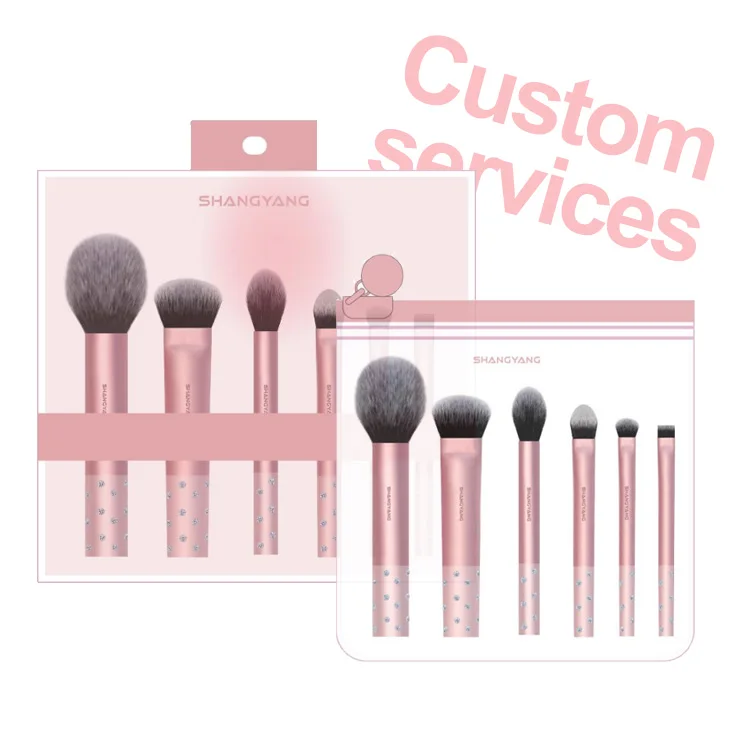
Bermitra dengan pabrik sikat wajah yang mapan memberikan akses ke sistem kontrol kualitas canggih yang memastikan keunggulan produk yang konsisten di semua proses manufaktur. Fasilitas ini biasanya menerapkan proses inspeksi multi-tahap, dari verifikasi bahan baku hingga pengujian produk akhir, menciptakan kerangka kualitas yang komprehensif yang meminimalkan cacat dan mempertahankan reputasi merek. Mitra manufaktur profesional berinvestasi besar-besaran dalam peralatan presisi, teknisi terampil, dan prosedur standar yang memberikan hasil yang dapat diandalkan terlepas dari volume pesanan atau kompleksitas. Keahlian yang diperoleh melalui pengalaman produksi bertahun-tahun diterjemahkan ke dalam konstruksi sikat yang unggul, kepadatan bulu yang optimal, dan bahan pegangan yang tahan lama yang tahan terhadap penggunaan reguler sambil mempertahankan integritas fungsionalnya.
Mitra manufaktur yang andal mempertahankan hubungan kerja sama jangka panjang dengan pemasok bahan premium, memastikan akses konsisten terhadap serat sintetis berkualitas tinggi, bulu alami, dan komponen logam yang memenuhi standar industri ketat. Stabilitas rantai pasok ini melindungi bisnis Anda dari kekurangan bahan, variasi kualitas, dan fluktuasi biaya tak terduga yang dapat mengganggu jadwal produksi serta merusak konsistensi produk. Pabrik berpengalaman memahami pentingnya kompatibilitas bahan, memilih komponen yang saling mendukung untuk menciptakan kuas dengan karakteristik kinerja optimal. Keahlian mereka dalam ilmu bahan memungkinkan mereka merekomendasikan jenis bulu, bahan ferrule, dan konstruksi gagang yang paling sesuai dengan kebutuhan aplikasi tertentu, sehingga meningkatkan pengalaman pengguna secara keseluruhan dan memperpanjang umur pakai produk.
Bermitra dengan pabrik kuas wajah profesional memberikan keuntungan biaya yang signifikan melalui skala ekonomi yang tidak dapat dicapai oleh bisnis individu secara mandiri. Fasilitas produksi berskala besar mendistribusikan biaya tetap ke volume yang lebih tinggi, sehingga mengurangi biaya per unit sambil mempertahankan standar kualitas yang memenuhi atau melampaui tolok ukur industri. Penghematan ini tidak hanya mencakup biaya manufaktur dasar, tetapi juga efisiensi dalam kemasan, pengiriman, dan manajemen inventaris yang meningkatkan margin keuntungan secara keseluruhan. Pabrik yang telah mapan sering kali menawarkan struktur harga bertingkat yang memberi insentif pada pesanan lebih besar dan kemitraan jangka panjang, menciptakan peluang penurunan biaya secara progresif seiring pertumbuhan bisnis Anda dan peningkatan volume pesanan.
Bekerja sama dengan mitra manufaktur eksternal menghilangkan kebutuhan investasi modal besar untuk peralatan, pengembangan fasilitas, dan pelatihan tenaga kerja khusus yang terkait dengan kemampuan produksi internal. Pendekatan ini memungkinkan perusahaan mengalokasikan sumber daya keuangan kegiatan pemasaran, pengembangan produk, dan ekspansi pasar yang secara langsung berkontribusi terhadap pertumbuhan pendapatan dan perolehan pangsa pasar. Model outsourcing juga mengurangi kompleksitas operasional dengan menyerahkan tanggung jawab manufaktur kepada mitra khusus yang memiliki keahlian teknis dan infrastruktur yang diperlukan untuk pengelolaan produksi yang efisien. Pendekatan strategis ini memungkinkan perusahaan fokus pada kompetensi inti mereka sambil memanfaatkan kemampuan khusus dari para profesional manufaktur yang berpengalaman.
Fasilitas manufaktur yang telah mapan mempekerjakan insinyur dan perancang produk terampil yang membawa pengalaman luas dalam teknik konstruksi sikat, prinsip ergonomi, serta strategi optimalisasi kinerja ke dalam proyek pengembangan kolaboratif. Para profesional ini memahami hubungan kompleks antara pemilihan bulu sikat, desain ferrule, dan ergonomika gagang yang menentukan fungsi sikat serta kepuasan pengguna. Pengetahuan teknis mereka memungkinkan mereka untuk mengusulkan modifikasi desain inovatif, peningkatan material, dan teknik konstruksi yang meningkatkan kinerja produk sekaligus menjaga kelayakan produksi dan efektivitas biaya. Akses terhadap keahlian ini mempercepat jadwal pengembangan produk dan meningkatkan kemungkinan peluncuran produk yang sukses di pasar.
Mitra manufaktur profesional menyediakan fasilitas pengembangan prototipe yang didedikasikan secara khusus, dilengkapi dengan mesin dan peralatan pengujian khusus yang mendukung iterasi desain cepat serta validasi kinerja. Kemampuan ini memungkinkan perusahaan untuk mengevaluasi berbagai konsep desain, menguji kombinasi material yang berbeda, dan menyempurnakan spesifikasi produk sebelum melangkah ke produksi skala penuh. Proses pengembangan prototipe mencakup protokol pengujian komprehensif yang menilai kinerja sikat, ketahanan, dan faktor pengalaman pengguna dalam kondisi terkendali yang mensimulasikan skenario penggunaan dunia nyata. Fasilitas pengujian ini memberikan data berharga yang menjadi dasar keputusan desain serta mengurangi risiko modifikasi desain yang mahal setelah produksi dimulai.
Mitra manufaktur yang berpengalaman memiliki fleksibilitas operasional yang diperlukan untuk merespons dengan cepat terhadap permintaan pasar, fluktuasi musiman, dan peningkatan pesanan yang tak terduga tanpa mengorbankan jadwal pengiriman atau kualitas produk. Responsifitas ini berasal dari kemampuan mereka untuk mengalokasikan kembali sumber daya produksi, menyesuaikan tingkat kepegawaian, dan memodifikasi jadwal produksi guna mengakomodasi perubahan kebutuhan sembari mempertahankan standar efisiensi. Kemampuan untuk meningkatkan produksi secara cepat memungkinkan perusahaan memanfaatkan peluang pasar, merespons tekanan persaingan, dan memenuhi permintaan pelanggan selama periode penjualan puncak tanpa mengalami kekurangan pasokan atau waktu tunggu yang diperpanjang.
Bekerja dengan perusahaan yang serbaguna pabrik sikat wajah menyediakan opsi kustomisasi yang luas yang memungkinkan merek mengembangkan lini produk unik yang mencerminkan identitas dan posisi pasar mereka yang khas. Kemampuan kustomisasi ini mencakup variasi ukuran sikat, pilihan jenis bulu, opsi bahan pegangan, serta elemen branding yang menciptakan produk berbeda untuk segmen pasar tertentu. Mitra manufaktur tingkat lanjut menawarkan layanan private label yang komprehensif termasuk desain kemasan khusus, integrasi logo, dan teknik finishing khusus yang meningkatkan presentasi produk dan pengenalan merek. Fleksibilitas ini memungkinkan perusahaan mengembangkan penawaran produk yang ditargetkan untuk demografi pelanggan, kisaran harga, dan saluran distribusi yang berbeda tanpa memerlukan hubungan manufaktur terpisah.
Mitra manufaktur profesional menerapkan strategi manajemen risiko komprehensif yang melindungi terhadap gangguan rantai pasokan, masalah kualitas, dan keterlambatan produksi yang dapat memengaruhi operasi bisnis Anda. Strategi-strategi ini mencakup jaringan pemasok yang terdiversifikasi, kemampuan produksi cadangan, serta protokol antisipasi yang menjamin kapasitas produksi berkelanjutan bahkan selama tantangan tak terduga. Pabrik-pabrik mapan mempertahankan tingkat stok pengaman, opsi sumber alternatif, dan penjadwalan produksi yang fleksibel untuk meminimalkan dampak gangguan eksternal terhadap komitmen pengiriman dan kepuasan pelanggan. Pendekatan mitigasi risiko ini memberikan jaminan kelangsungan usaha yang memungkinkan perencanaan pasar dan pemenuhan komitmen terhadap pelanggan secara lebih percaya diri.
Mitra manufaktur terkemuka mempertahankan pengetahuan mutakhir mengenai peraturan industri, standar keselamatan, dan sertifikasi kualitas yang diperlukan untuk produksi alat kosmetik di berbagai pasar internasional. Keahlian kepatuhan mereka memastikan bahwa produk memenuhi semua standar yang berlaku terkait bahan, proses manufaktur, dan pengujian keselamatan tanpa memerlukan pengembangan pengetahuan regulasi yang luas di dalam organisasi Anda. Dukungan regulasi ini mencakup penyusunan dokumentasi, proses sertifikasi, serta pemantauan kepatuhan berkelanjutan yang memfasilitasi masuknya produk ke pasar dan menjaga reputasi baik dengan otoritas regulasi. Produsen profesional sering kali memiliki sertifikasi dan akreditasi relevan yang menunjukkan komitmen mereka terhadap kualitas dan keunggulan dalam kepatuhan.
Saat mengevaluasi calon mitra manufaktur, utamakan faktor-faktor seperti kapasitas produksi, sistem kontrol kualitas, keahlian teknis, dan pengalaman sebelumnya dengan produk serupa. Evaluasi kemampuan fasilitas mereka, tingkat kecanggihan peralatan, serta kualifikasi tenaga kerja untuk memastikan mereka dapat memenuhi kebutuhan spesifik Anda. Tinjau portofolio klien, sertifikasi kualitas, dan catatan kepatuhan mereka guna memverifikasi keandalan dan profesionalisme. Pertimbangkan proses komunikasi mereka, kemampuan manajemen proyek, serta kesediaan untuk memenuhi permintaan kustomisasi yang selaras dengan tujuan bisnis Anda.
Tetapkan spesifikasi kualitas, protokol pengujian, dan kriteria penerimaan yang jelas sebelum memulai produksi untuk memastikan pemahaman bersama mengenai ekspektasi dan persyaratan. Terapkan audit kualitas berkala, persetujuan sampel, dan prosedur inspeksi yang memverifikasi kepatuhan terhadap standar yang telah ditetapkan selama proses produksi. Jaga saluran komunikasi yang terbuka dengan manajemen pabrik dan personel kontrol kualitas untuk menangani masalah secara cepat dan mencegah masalah kualitas memengaruhi lot produksi dalam jumlah besar. Pertimbangkan untuk menetapkan perjanjian kemitraan jangka panjang yang memberikan insentif atas kinerja kualitas yang konsisten dan inisiatif peningkatan berkelanjutan.
Jumlah pesanan minimum bervariasi secara signifikan tergantung pada tingkat kompleksitas kustomisasi, spesifikasi sikat, dan kemampuan produsen, biasanya berkisar antara 500 hingga 5.000 buah per desain. Modifikasi sederhana pada desain yang sudah ada umumnya membutuhkan jumlah minimum yang lebih rendah dibandingkan sikat khusus yang sepenuhnya baru dengan spesifikasi unik dan kebutuhan perkakas. Diskusikan kebutuhan volume dan proyeksi pertumbuhan Anda dengan calon mitra untuk mengidentifikasi produsen yang memiliki jumlah minimum sesuai dengan kebutuhan bisnis dan batasan anggaran Anda. Banyak pabrik mapan menawarkan opsi pemesanan fleksibel yang memungkinkan pesanan awal dalam jumlah kecil dengan ketentuan peningkatan volume seiring pertumbuhan bisnis Anda.
Jadwal produksi tergantung pada kompleksitas pesanan, kebutuhan kustomisasi, dan kapasitas produsen, biasanya berkisar antara 15 hingga 45 hari untuk produk standar dan dapat mencapai 60-90 hari untuk desain khusus yang kompleks yang memerlukan peralatan baru atau pengujian ekstensif. Pengembangan prototipe menambah waktu pada siklus produksi awal namun mempercepat pesanan berikutnya setelah desain difinalisasi dan disetujui. Tetapkan ekspektasi jadwal yang realistis selama fase perencanaan dan pertahankan komunikasi rutin dengan mitra manufaktur Anda untuk memantau kemajuan serta mengatasi keterlambatan secara proaktif. Pertimbangkan pola permintaan musiman dan rencanakan pesanan jauh-jauh hari untuk memastikan ketersediaan stok yang cukup selama periode penjualan puncak.
 EN
EN
 AR
AR BG
BG HR
HR CS
CS DA
DA NL
NL FI
FI FR
FR DE
DE EL
EL HI
HI IT
IT JA
JA KO
KO NO
NO PL
PL PT
PT RO
RO RU
RU ES
ES SV
SV CA
CA TL
TL IW
IW ID
ID LV
LV LT
LT SR
SR SK
SK SL
SL UK
UK VI
VI SQ
SQ ET
ET GL
GL HU
HU TH
TH TR
TR