
SHANGYANG TECHNOLOGY CO., LTD.
SHANGYANG TECHNOLOGY CO., LTD.
In de concurrerende wereld van cosmetica-productie is het handhaven van consistente productnormen geen optie — het is de basis voor langdurige merkgelovenwaardigheid. Bij de productie van een borstelstel , is kwaliteitsborging een veelzijdige discipline die zich uitstrekt over de selectie van grondstoffen, productielijncontroles en eindinspectieprotocollen. Merken die investeren in gestructureerde kwaliteitsborgingsprocessen leveren consequent kwastensets die voldoen aan de verwachtingen van consumenten en waardoor kostbare retourneringen of klachten worden verminderd.
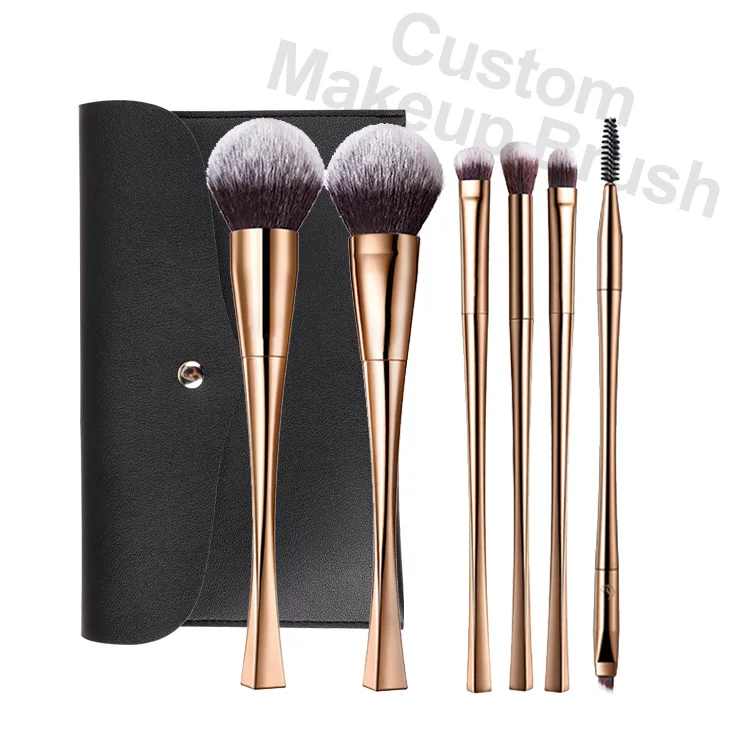
Het beheren van kwaliteitsborging bij de productie van borstelsets vereist een systematische aanpak die elk stadium van de productiecyclus omvat. Vanaf het moment dat ruwe borstelvezels en ferrule-onderdelen de fabriek bereiken tot het moment waarop een afgewerkte borstelset verpakt is en klaarstaat voor verzending, biedt elke stap mogelijkheden voor interventie op het gebied van kwaliteitscontrole. Dit artikel beschrijft de belangrijkste mechanismen, werkstromen en beslispunten die fabrikanten en merkeigenaren moeten begrijpen om een betrouwbaar kwaliteitsborgingskader voor de productie van borstelsets op te zetten.
Elke kwastenset begint met de grondstoffen, en de kwaliteit van die grondstoffen bepaalt rechtstreeks de prestaties en duurzaamheid van het eindproduct. Borstelvezels — of dat nu synthetische taklon, natuurlijk geitenhaar, eekhoornhaar of andere materialen zijn — moeten worden beoordeeld op zachtheid, veerkracht en weerstand tegen uitvallen voordat ze in productie gaan. Een kwastenset gemaakt van ondermaatse borstelvezels zal overmatig uitvallen, na het wassen zijn vorm verliezen of een schurend gevoel geven op de huid; al deze uitkomsten zijn onaanvaardbaar voor de eindgebruiker.
Ferrules, de metalen banden die het borstelkopje met de steel verbinden, moeten worden beoordeeld op materiaalkwaliteit, wanddikte en corrosieweerstand. Een slecht geklemd of dunwandige ferrule zal na verloop van tijd losraken, waardoor het borstelkopje van de steel losraakt. Voor elke kwastenset die is bedoeld voor professionele of premium retailmarkten, is de integriteit van de ferrule een ononderhandelbare kwaliteitsdimensie die reeds in de fase van inkomende materialen moet worden geverifieerd.
De materialen voor de handgrepen — meestal hout, acryl of bamboe — moeten worden gecontroleerd op consistentie van de oppervlakteafwerking, nauwkeurigheid van de afmetingen en hechting van de coating. Handgrepen met een ongelijke diameter of met slecht aangebrachte lak zullen een visueel ongelijkmatige kwastenset opleveren, wat de waargenomen waarde van het product ondermijnt, zelfs als de prestaties van de borstelharen uitstekend zijn.
Naast de fysieke materialen moet een kwastenset voldoen aan gedefinieerde functionele prestatienormen. Deze omvatten de dichtheid van de borstelharen, die beïnvloedt hoeveel product een kwast oppakt en afgeeft; het behoud van de vorm van de borstelharen na herhaald gebruik en wassen; en het algehele evenwicht en de ergonomie van de kwast in de hand. Het vaststellen van meetbare referentiewaarden voor elk van deze prestatiedimensies is essentieel voordat de productie begint.
Fabrikanten moeten een gestandaardiseerd prestatieblad opstellen voor elke brush set-SKU. Dit document moet aanvaardbare bereiken definiëren voor het aantal borstelharen, de tolerantie van de ferrule-diameter, de variatie in steelengte en andere meetbare kenmerken. Door deze specificaties te documenteren, kunnen kwaliteitscontroleteams objectieve goedgekeurd- of afgekeurd-beslissingen nemen in plaats van te vertrouwen op subjectief oordeel, wat inconsistentie in het inspectieproces introduceert.
Een effectieve kwaliteitsborging voor een brush set begint al vóór de productie — namelijk bij de leveranciers die de grondstoffen leveren. Fabrikanten moeten formele leverancierskwalificatieprocessen opzetten, inclusief materiaaltesten, fabrieksaudits en voortdurende prestatiebewaking. Leveranciers die consistent materialen leveren die aan de specificaties voldoen, verminderen de belasting voor de interne kwaliteitscontroleteams en verlagen het risico op productiegebreken.
Elke binnenkomende zending van borstelvezels, hulzen en handvatten moet vergezeld gaan van een materiaalcertificaat of testrapport van de leverancier. De kwaliteitsborgingsafdelingen moeten deze documenten verifiëren en steekproefsgewijs tests uitvoeren op een statistisch significante steekproef uit elke partij. Voor een fabrikant van borstelsets die op grote schaal produceert, kan zelfs een klein percentage defecte binnenkomende materialen leiden tot duizenden niet-conforme eindproducten als het probleem niet vroegtijdig wordt opgemerkt.
Inspectie op basis van steekproeven is de praktische norm voor kwaliteitsborging van binnenkomende materialen in de productie van borstelsets. In plaats van elk afzonderlijk onderdeel te inspecteren — wat bij grote volumes tijdrovend is — gebruiken kwaliteitsborgingsafdelingen statistisch gedefinieerde steekproefplannen, zoals het AQL-systeem (Acceptable Quality Level). Volgens de AQL-richtlijnen worden de omvang van de steekproef en de toelaatbare drempel voor gebreken bepaald op basis van de grootte van de partij en de kritikaliteit van het soort gebrek.
Voor een fabrikant van borstelsets kunnen kritieke gebreken onder andere zijn: verlies van borstelharen boven een gedefinieerde drempel, corrosie van de ferrule of een handvatcoating die niet voldoet aan de hechtingstest. Belangrijke gebreken kunnen bijvoorbeeld afwijkingen in afmetingen buiten de toegestane toleranties zijn. Minder ernstige gebreken kunnen lichte cosmetische gebreken op de handvaten zijn. Door gebreken te categoriseren op basis van ernst kunnen kwaliteitscontroleteams geschikte acceptatiecriteria toepassen en weloverwogen beslissingen nemen over het al dan niet accepteren van een binnenkomende materiaalpartij, of over voorwaardelijk gebruik.
Zodra de productie is gestart, zijn controlepunten voor kwaliteitscontrole tijdens de productie essentieel om gebreken op te sporen voordat deze zich opstapelen tijdens grote productielopen. Voor de productie van borstelsets omvatten de belangrijkste controlepunten op de assemblagelijn het bundelen en bijsnijden van de borstelharen, het crimpen van de ferrule en het bevestigen van het handvat. Elke van deze stappen introduceert potentiële foutmodi die in real time moeten worden bewaakt.
Tijdens de borstelharenbundelingsfase moeten kwaliteitscontrolemedewerkers of geautomatiseerde visiesystemen verifiëren dat het aantal en de dichtheid van de borstelharen binnen de specificatie liggen. Inconsistente bundeling leidt tot borstelsetproducten waarbij individuele borstels anders presteren dan elkaar, wat een aanzienlijke kwaliteitsfout is voor sets die als afgestemde collecties worden verkocht. De nauwkeurigheid van het afsnijden is even belangrijk — een borstelset waarbij individuele borstels ongelijke of asymmetrische borstelhaarprofielen hebben, is direct zichtbaar voor consumenten en zal negatieve feedback opleveren.
De klemringvorming moet worden gecontroleerd op klemdiepte, symmetrie en houdkracht. Een eenvoudige trekkrachtest — waarbij een gedefinieerde trekbelasting op het borstelhaarhoofd wordt uitgeoefend — kan verifiëren of de klemring voldoende stevig is om normaal gebruik te weerstaan. Deze test moet op steekproefbasis regelmatig tijdens de productierun worden uitgevoerd, niet alleen aan het begin of einde van een ploegendienst.
Voor fabrikanten die produceren borstelstel bij productie in grote volumes biedt statistische procescontrole (SPC) een krachtig kader voor het behouden van consistentie in de tijd. SPC omvat het meten van belangrijke procesvariabelen op gedefinieerde intervallen en het weergeven van de resultaten in controlekaarten. Wanneer de meetwaarden zich richting de boven- of ondergrens van de controlelimieten verplaatsen, kunnen productieleiders ingrijpen om het proces te corrigeren voordat er daadwerkelijk afwijkingen optreden.
Bij de productie van borstelsets kan SPC worden toegepast op variabelen zoals de diepte van de kraagvouw, de diameter van het handvat, de lengte van de borstelharen en de dikte van de laklaag. Door deze variabelen in de tijd te volgen, kunnen fabrikanten trends identificeren, slijtage van apparatuur detecteren en onderscheid maken tussen normale procesvariatie en toewijsbare oorzaken die corrigerende maatregelen vereisen. Deze proactieve aanpak van kwaliteitsbeheer is aanzienlijk kosteneffectiever dan uitsluitend te vertrouwen op eindcontrole om afwijkingen te detecteren.
Voordat een borstelset wordt verpakt en verzonden, moet deze een uitgebreide eindinspectie doorstaan die zowel visuele als dimensionele kenmerken omvat. Bij de visuele inspectie worden oppervlaktegebreken op de handvatten, de uitlijning van de borstelharen, de afwerkkwaliteit van de ferrule en de algehele esthetische consistentie tussen alle borstels in de set gecontroleerd. Voor een borstelset die wordt verkocht als een afgestemde collectie is visuele uniformiteit een belangrijk kwaliteitskenmerk — consumenten verwachten dat alle borstels in de set eruitzien alsof ze bij elkaar horen.
Dimensionele controles in de eindfase bevestigen dat de lengte van de handvatten, de diameter van de ferrules en de profielen van de gehakte borstelharen binnen de toleranties vallen die zijn vastgelegd in de productspecificatie. Zelfs als individuele componenten de inkomende inspectie hebben doorstaan, kunnen montageprocessen dimensionele variaties veroorzaken die pas zichtbaar worden in de afgewerkte borstelset. De einddimensionele controles vormen de laatste verdedigingslinie voordat het product de consument bereikt.
Functionele tests in de laatste fase moeten een test op borstelhaartjesverlies, een was- en droogcyclus-test en een beoordeling van de duurzaamheid van het handvat omvatten. Bij de test op borstelhaartjesverlies wordt de borstel een vast aantal keren over een gedefinieerd oppervlak gestreken en wordt het aantal losgeraakte borstelhaartjes geteld. Een borstelset die meer borstelhaartjes verliest dan het gedefinieerde aanvaardbare maximum moet worden geïsoleerd voor onderzoek voordat deze wordt verzonden.
De was- en droogcyclus-test simuleert het schoonmaakgedrag van consumenten door het borstelkopje onder te dompelen in water, een milde reiniger aan te brengen, af te spoelen en de borstel horizontaal te laten drogen. Na een gedefinieerd aantal cycli wordt de borstel opnieuw beoordeeld op behoud van de vorm van de borstelhaartjes, integriteit van de ferrule en staat van de afwerking van het handvat. Deze test is bijzonder belangrijk voor borstelsets die worden aangeprezen als wasbaar of professioneel, waarbij duurzaamheidsclaims moeten worden onderbouwd met daadwerkelijke prestatiegegevens.
De verpakkingsinspectie is de laatste stap voordat een borstelset het bedrijf verlaat. De verpakking moet worden gecontroleerd op juiste etikettering, nauwkeurigheid van de barcode en fysieke integriteit. Een borstelset die alle productkwaliteitscontroles doorstaat, maar wordt verzonden in beschadigde of verkeerd geëtiketteerde verpakking, zal nog steeds klachten en retourzendingen genereren, waardoor de gehele kwaliteitsborgingsinspanning die eraan voorafging, ondermijnd wordt.
Kwaliteitsborging bij de productie van borstelsets is geen statisch proces — het moet zich ontwikkelen als reactie op de defecten en bijna-ongevallen die tijdens de productie optreden. Het opzetten van een robuust systeem voor defectregistratie stelt kwaliteitsborgingsteams in staat om elke afwijking te registreren, deze te categoriseren op basis van type en ernst, en trends in de tijd te analyseren. Wanneer een bepaald type defect zich herhaalt over meerdere productieruns heen, wijst dat op een structureel probleem dat een oorzakenanalyse vereist, in plaats van een eenmalige correctie.
Hulpmiddelen voor oorzakenanalyse, zoals de 5-Waarom-methode of visgraatdiagrammen, helpen kwaliteitsborgingsteams een gebrek terug te traceren naar zijn oorsprong — of dit nu een materiaalprobleem bij een leverancier is, een afwijking in procesparameters, een kalibratieprobleem met apparatuur of een kennis- of vaardigheidstekort bij productiemedewerkers. Voor fabrikanten van borstelsets omvatten veelvoorkomende oorzaken van herhalende gebreken ongelijksoortige partijen borstelvezels van leveranciers, versleten klemgereedschap en onvoldoende operatoropleiding op het gebied van technieken voor het bundelen van borstelvezels.
Een kwaliteitsborgingsprogramma is slechts zo effectief als de communicatiekanalen die kwaliteitsborgingsvindingen verbinden met besluitvorming op productiegebied. Fabrikanten moeten regelmatige kwaliteitsborgingsreviewvergaderingen instellen, waarbij inspectiegegevens, defecttrends en de status van corrigerende maatregelen worden gedeeld met productieleiders, inkoopteams en senior management. Deze cross-functionele zichtbaarheid zorgt ervoor dat kwaliteitsproblemen niet geïsoleerd blijven binnen de kwaliteitsborgingsafdeling, maar op het juiste organisatieniveau worden aangepakt.
Voor fabrikanten van borstelsets die samenwerken met OEM- of private-labelklanten, is transparante kwaliteitsborgingsrapportage ook een concurrentievoordeel. Klanten die regelmatig rapporten over kwaliteitsprestaties ontvangen — inclusief defectpercentages, samenvattingen van corrigerende maatregelen en initiatieven voor procesverbetering — krijgen meer vertrouwen in hun productiepartner. Dit vertrouwen is moeilijk op te bouwen en gemakkelijk kwijt te raken, waardoor consistente, op gegevens gebaseerde communicatie over kwaliteitsborging een strategisch voordeel is in de sector van de productie van borstelsets.
Het verliezen van borstelharen is een van de meest frequente kwaliteitsgebreken die worden gerapporteerd bij borstelsetproducten. Dit wordt meestal veroorzaakt door onvoldoende klemkracht bij de ferrule, lage-kwaliteit borstelhaarvezels met een slechte wortelstructuur of onvoldoende lijmhechting tussen het bosje haren en de ferrule. Het aanpakken van dit gebrek vereist strengere inkomende materiaalnormen voor borstelhaarvezels en het uitvoeren van trekkrachtests tijdens de ferrule-klemfase.
Een partij die de eindinspectie niet haalt, moet onmiddellijk in quarantaine worden gesteld en voorzien worden van een non-conformiteitsrapport. Het kwaliteitsborgingsteam moet een oorzaakanalyse uitvoeren om te bepalen of de fout beperkt blijft tot die partij of wijst op een bredere procesproblematiek. Afhankelijk van de aard en ernst van de gebrekkigheid zijn mogelijke opties: herstelling, verlaging naar een lagere productcategorie of vernietiging van de partij. Het besluit dient te worden gedocumenteerd en de oorzaak moet worden aangepakt voordat de productie wordt hervat.
De frequentie van tussentijdse controles hangt af van het productievolume en de kritikaliteit van de processtap. Bij productie van borstelsets in grote volumes dienen sleutelpunten zoals het vastzetten van de ferrule en het bijsnijden van de borstelharen ten minste elk uur of na elk gedefinieerd aantal eenheden te worden gecontroleerd. Statistische procesbeheersingsgrafieken kunnen helpen bij het bepalen van de juiste steekproeffrequentie op basis van historische gegevens over de processtabiliteit.
Ja, en ze zijn vooral belangrijk voor aangepaste of private-label borstelsets, waarbij de merkreputatie van de klant direct gekoppeld is aan de productkwaliteit. Voor aangepaste bestellingen moeten QA-processen al in het preproductiestadium beginnen met een goedkeuringsproces voor een gouden monster, waarbij de klant een referentiemonster goedkeurt dat de kwaliteitsnorm definieert voor de gehele productierun. Alle daaropvolgende productie- en inspectieactiviteiten worden vervolgens gemeten tegen dat goedgekeurde monster.
 EN
EN
 AR
AR BG
BG HR
HR CS
CS DA
DA NL
NL FI
FI FR
FR DE
DE EL
EL HI
HI IT
IT JA
JA KO
KO NO
NO PL
PL PT
PT RO
RO RU
RU ES
ES SV
SV CA
CA TL
TL IW
IW ID
ID LV
LV LT
LT SR
SR SK
SK SL
SL UK
UK VI
VI SQ
SQ ET
ET GL
GL HU
HU TH
TH TR
TR