
SHANGYANG TECHNOLOGY CO.,LTD
SHANGYANG TECHNOLOGY CO.,LTD
The beauty industry has seen remarkable transformation over the past decade, and at the center of that shift are the tools consumers use every day. Among these tools, skincare brushes have evolved from simple applicators into precision-engineered instruments designed to maximize product performance and skin health. As brands compete for shelf space and consumer loyalty, the quality, design, and functionality of skincare brushes have become defining factors that separate truly exceptional beauty routines from ordinary ones. Understanding how innovation in these tools directly elevates the user experience is essential for anyone involved in product development, retail, or brand building in the beauty sector.
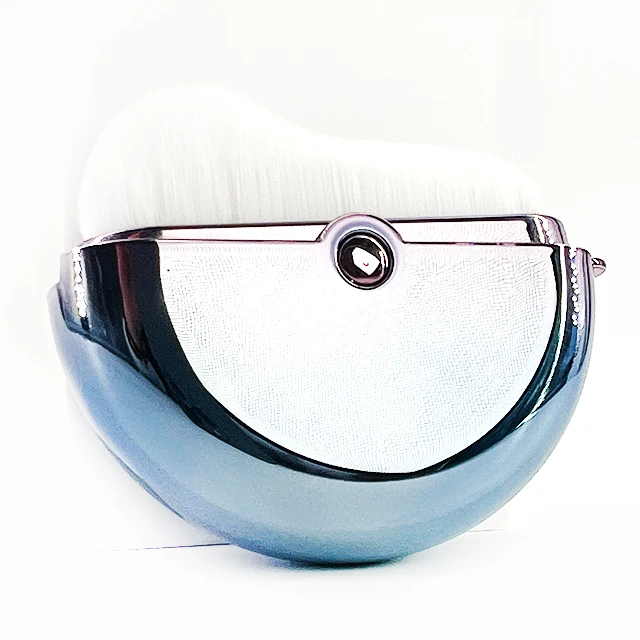
Modern consumers expect more than basic function from their beauty tools. They want skincare brushes that feel luxurious in hand, apply products with professional-grade precision, and align visually with the aesthetic of their vanity or bathroom shelf. Innovation in brush design, bristle technology, handle ergonomics, and color customization has responded directly to these expectations. This article explores the specific ways that innovative skincare brushes improve user experience across multiple dimensions — from the first touch to the final finish — and why these improvements matter for B2B buyers, private label brands, and product developers who want to deliver genuine value to their end customers.
One of the most impactful innovations in skincare brushes has been the advancement of synthetic bristle technology. Earlier generations of synthetic bristles were often too stiff, too coarse, or prone to shedding — issues that frustrated users and undermined confidence in the product. Today's high-performance synthetic fibers mimic the softness of natural hair while offering superior hygiene benefits, since they are non-porous and resist the absorption of bacteria, oils, and product residue. This makes modern skincare brushes not only more pleasant to use but also meaningfully safer for daily contact with skin.
The density and tapering of synthetic bristles directly influence how a brush deposits skincare formulas onto the face. Flat, densely packed fibers work exceptionally well for distributing liquid foundations and serums in a smooth, even layer without streaking. Tapered fibers, on the other hand, allow for a more diffused application that blends seamlessly into the skin's surface. Innovative manufacturers have refined these fiber characteristics to match specific application methods, giving skincare brushes a functional precision that was previously only available in professional salon environments.
For B2B buyers and brand developers, the quality of synthetic bristles is a critical specification that determines how a product is received by end users. Investing in well-engineered bristle construction is one of the fastest ways to elevate the perceived value of skincare brushes and reduce return rates or negative reviews. When users feel the difference immediately upon first use, brand loyalty follows naturally.
Not all areas of the face require the same application technique, and innovative skincare brushes have been engineered to reflect this anatomical reality. Flat fan-shaped brushes allow for light, sweeping application of highlighters and powders across the cheekbones and brow bone. Single flat face brushes are designed to cover broader surface areas like the forehead and cheeks with a consistent, buildable layer of coverage. These shape-specific designs ensure that skincare brushes are not just aesthetically varied but genuinely functional for each zone they are intended to serve.
The introduction of gradient or angled brush heads has added another dimension to this zone-matching philosophy. Angled edges allow users to work precise product into the contours around the nose, jaw, and orbital area without the imprecision of a blunt-tipped brush. This level of refinement communicates craft and intentionality to the user — a powerful signal in a market where consumers are increasingly educated about technique and tool selection. When skincare brushes are designed with application zones in mind, users find their routines faster, more intuitive, and more rewarding.
A brush handle might seem like a secondary concern compared to bristle quality, but it has a profound impact on the overall user experience. The shape, weight, and balance of a handle determine how comfortably a user can maintain control during application, especially during extended makeup or skincare sessions. Ergonomically contoured handles that fit naturally in the palm reduce hand fatigue and allow for more fluid, confident brush strokes. This is particularly important for skincare brushes used in daily routines, where accumulated discomfort over time can lead users to abandon even well-performing tools.
Innovative handle designs increasingly incorporate subtle grip features such as gentle texturing at the thumb contact point, slightly weighted bases for balance, and mid-barrel taper profiles that make the brush easy to hold at multiple angles. These details may seem minor in isolation, but collectively they transform skincare brushes from passive tools into active extensions of the user's hand. When a brush feels right in the grip, users apply products with greater consistency and confidence, which translates directly into better skincare outcomes.
The material chosen for a brush handle communicates brand positioning at a visceral level before a single stroke is applied. Matte finishes project understated sophistication and are increasingly favored by minimalist skincare brands. High-gloss finishes add visual intensity and energy, making skincare brushes feel bold and modern on a vanity display. Gradient color handles — where one color transitions smoothly into another along the barrel — have emerged as a particularly popular innovation that captures the visual language of contemporary beauty culture without sacrificing the tactile quality of the handle itself.
For private label brands, the ability to customize handle color and finish is a strategic asset. It allows skincare brushes to become cohesive components of a branded product lineup rather than generic accessories. When the colors and materials of brush handles align with a brand's packaging system, the overall user experience becomes more unified and immersive. Brands that recognize this synergy can build significantly stronger connections with their customers, turning individual tool purchases into entry points for deeper brand relationships.
Color has always been a language in the beauty industry, but the gradient color trend in skincare brushes reflects something deeper than passing fashion. Gradient finishes suggest movement, transformation, and artistry — all values that resonate strongly with consumers who see their skincare and makeup ritual as a form of self-expression. When a user picks up a brush with a beautifully executed color transition along the handle, the act of applying product becomes more intentional and more enjoyable. This emotional dimension of the user experience is often underestimated but critically important in driving repeat purchase and word-of-mouth recommendation.
The visual appeal of gradient skincare brushes also performs powerfully in the social media-driven discovery environment where most beauty consumers now find new products. A brush that photographs beautifully on a marble countertop or in a flat-lay product shot delivers organic marketing value that no advertising campaign can fully replicate. For B2B buyers sourcing products for retail or e-commerce, this photogenic quality of well-designed skincare brushes is a genuine commercial advantage that should factor into product selection decisions.
Custom gradient color options give private label beauty brands an extraordinary opportunity to own a visual identity in the crowded skincare brush category. Instead of selling a tool that looks indistinguishable from dozens of competitors, a brand can offer skincare brushes that are instantly recognizable by their unique color story. This differentiation is particularly powerful in online marketplaces where buyers are scrolling through dozens of competing listings and making snap judgments based on visual appeal alone.
The skincare brushes available through innovative suppliers increasingly support full custom color specification, allowing brands to define precise color transitions that align with their brand palettes. This level of customization was once reserved for the highest-volume orders but is now accessible to smaller brands and emerging beauty labels seeking to build distinctive product lines. The result is a landscape where thoughtful visual design in skincare brushes is within reach for any brand that prioritizes it as part of their product development strategy.
The flat face foundation brush format has become one of the most valued innovations within the broader category of skincare brushes. Its flat, paddle-like profile enables users to deposit foundation, BB cream, tinted moisturizer, or liquid skincare treatments in smooth, overlapping strokes that create an even finish without the patchiness that can result from finger application or sponge use. The consistent pressure distribution of a flat brush ensures that product is applied uniformly across the skin surface, which is especially important for users managing texture concerns or uneven skin tone.
Because flat foundation brushes minimize direct skin contact relative to finger application, they also reduce the transfer of oils and bacteria from the hands to the face. This is a benefit that health-conscious consumers increasingly appreciate and that skincare-focused beauty brands should communicate clearly in their product messaging. When skincare brushes support better hygiene practices, they position themselves not just as cosmetic accessories but as functional skincare tools — a framing that commands greater perceived value and justifies a premium price point.
One of the defining user experience advantages of innovative flat skincare brushes is the control they give users over coverage buildability. Unlike tools that pick up and deposit product in large, difficult-to-blend quantities, a well-designed flat brush allows users to load a precise amount of product and apply it in thin, layered coats. This buildability means that users with light coverage preferences and those who prefer full coverage can each achieve their ideal result with the same tool — simply by adjusting the amount of product loaded and the pressure applied.
This adaptability is particularly important for skincare brushes positioned in the premium or professional segment, where versatility is a key purchase driver. When a single brush can accommodate multiple coverage preferences and product viscosities, it delivers more value per purchase and reinforces the user's sense of having made a smart, durable investment. For brands building product lines around skincare brushes, designing for buildable application is a strategic choice that supports both customer satisfaction and retention.
For beauty brands, retailers, and distributors operating in the B2B space, the ability to customize skincare brushes at the product level is a significant driver of business growth. Custom brushes — whether differentiated by handle color, bristle configuration, ferrule finish, or packaging — allow brands to create exclusive product offerings that cannot be directly price-compared with generic alternatives. This pricing power is one of the most important commercial benefits that customization in skincare brushes delivers to B2B buyers who understand the long-term economics of brand building.
Beyond pricing power, customized skincare brushes generate stronger customer identification with a brand. When a user owns tools that carry a brand's unique visual identity, every use of those tools reinforces brand recognition and emotional connection. Over time, this consistent brand presence in the user's daily routine translates into higher lifetime customer value and stronger organic referral rates. B2B buyers who invest in custom skincare brushes are therefore not just purchasing a product — they are purchasing a daily touchpoint that keeps their brand present in the lives of their customers.
Another critical advantage of working with innovative manufacturers of skincare brushes is the ability to achieve consistent quality across large production volumes. In the beauty industry, inconsistency between batches — variations in bristle softness, color matching, or handle weight — is a persistent source of customer complaints and brand damage. Innovative production processes, including precise fiber grading, color formulation controls, and assembly quality checks, ensure that each unit of skincare brushes in a batch meets the same specification as the prototype approved by the buyer.
This production consistency is especially important for brands that sell skincare brushes as part of curated gift sets or multi-piece brush collections, where any visible inconsistency between units is immediately obvious and damaging to perceived quality. By partnering with manufacturers who have invested in process innovation alongside product innovation, B2B buyers can deliver the consistent, high-quality user experience that modern consumers expect and that supports the long-term health of their brand.
Synthetic bristles in modern skincare brushes are non-porous, meaning they do not absorb bacteria, oils, or product residue the way natural hair fibers do. This makes them more hygienic for daily use and easier to clean thoroughly. Advanced synthetic fibers are also engineered to replicate the softness and flexibility of natural hair, so users experience the same tactile quality without the hygiene or ethical concerns associated with animal-derived materials.
Selecting skincare brushes for a private label line involves evaluating bristle type and density, handle design and material, customization options for color and branding, and minimum order quantities. It is important to align the brush specifications with your target customer's application preferences and the product formulas you intend to pair with the brushes. Working with a manufacturer that offers prototype sampling before full production runs ensures that the final product meets your quality and aesthetic standards.
Handle color in skincare brushes is one of the most immediate visual signals a consumer receives about a brand's identity and quality tier. Custom colors and gradient finishes allow brands to build a recognizable visual language across their product range, making their tools instantly distinguishable from generic alternatives. In social media-driven beauty markets, visually distinctive skincare brushes also generate organic user content that extends brand reach without additional marketing spend.
Flat face foundation brushes are among the most versatile skincare brushes available and work effectively across most skin types. For oily skin, the minimal direct hand contact reduces oil transfer, while the even coverage capability helps mask shine without over-loading the skin with product. For dry or sensitive skin, the soft synthetic fibers used in quality flat brushes provide gentle application that avoids irritation. Users with textured skin benefit from the buildable coverage control that flat brushes offer, allowing them to address specific areas without disrupting the overall finish.
 EN
EN
 AR
AR BG
BG HR
HR CS
CS DA
DA NL
NL FI
FI FR
FR DE
DE EL
EL HI
HI IT
IT JA
JA KO
KO NO
NO PL
PL PT
PT RO
RO RU
RU ES
ES SV
SV CA
CA TL
TL IW
IW ID
ID LV
LV LT
LT SR
SR SK
SK SL
SL UK
UK VI
VI SQ
SQ ET
ET GL
GL HU
HU TH
TH TR
TR