
SHANGYANG TECHNOLOGY CO.,LTD
SHANGYANG TECHNOLOGY CO.,LTD
In the competitive world of beauty and personal care, the tools used to apply products matter just as much as the formulations themselves. professional skincare brushes represent a category where manufacturing precision, material integrity, and quality control intersect directly with consumer experience and brand reputation. Whether you are sourcing for a retail line, building a professional kit, or developing a private-label beauty brand, understanding what governs the production of these tools is essential for making informed procurement decisions.
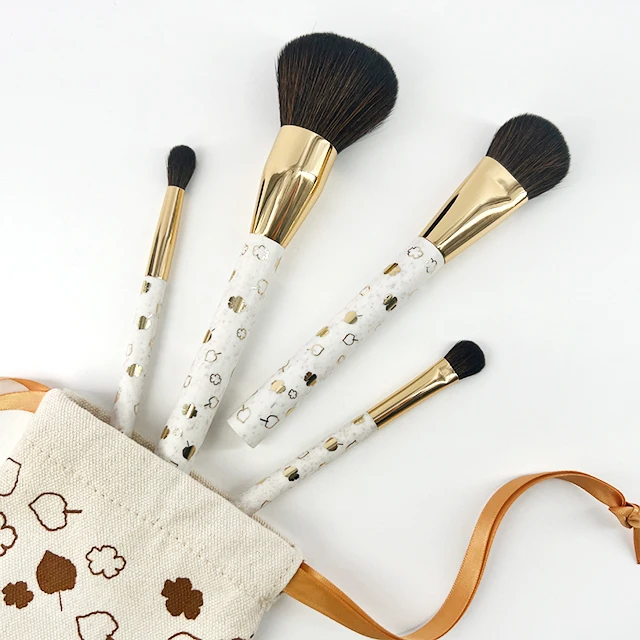
Professional skincare brushes are not simply aesthetic accessories. They are functional instruments designed to deliver consistent, hygienic, and effective application of serums, masks, exfoliants, and other skincare treatments. The standards that govern their production span material sourcing, manufacturing tolerances, hygienic safety protocols, and packaging specifications. This article breaks down those standards in detail so buyers, product developers, and brand managers can evaluate suppliers and products with greater confidence.
The beauty industry operates under increasing scrutiny from consumers, retailers, and regulatory bodies alike. Professional skincare brushes come into direct contact with the skin, often in sensitive areas of the face and neck. This direct contact means that any lapse in production quality can result in skin irritation, bacterial contamination, allergic reactions, or inconsistent product delivery. These outcomes are not just customer complaints — they can translate into returns, brand damage, and liability issues for businesses.
Production standards create a baseline framework that ensures every brush leaving a manufacturing facility meets a defined threshold of performance, safety, and durability. For B2B buyers, understanding these standards means being able to evaluate suppliers not just on price, but on the actual quality infrastructure behind their products. Professional skincare brushes that conform to established standards deliver predictable results, which is critical when these tools carry a brand's identity.
Regulatory requirements also influence production standards. While brush manufacturing is not as heavily regulated as pharmaceutical products, certain markets — including the EU, the US, and Japan — have guidelines around materials used in cosmetic tools, particularly regarding synthetic dyes, allergen-free components, and cruelty-free certifications. A strong production standard anticipates and satisfies these market-specific requirements proactively.
Material selection is one of the most consequential decisions in the production of professional skincare brushes. The bristle material determines how the brush interacts with the skin and the product being applied. Natural hair bristles, such as those sourced from goat, squirrel, or pony, are prized for their softness and ability to pick up and distribute product evenly. Synthetic fibers, typically nylon or Taklon variants, are increasingly favored for their hypoallergenic properties and compatibility with liquid and cream-based skincare formulas.
Production standards require that bristle materials be tested for softness, resilience, and shed resistance before assembly. High-grade professional skincare brushes must pass bristle retention tests to ensure that fibers do not come loose during use and potentially transfer to the skin. For natural hair brushes, sourcing documentation is often required by premium buyers to ensure compliance with animal welfare standards. These material-level benchmarks directly influence the final performance and safety of the brush.
Handle materials are equally regulated under strong production standards. Handles made from wood must be sealed properly to prevent moisture absorption and bacterial growth. Plastic handles must be free of BPA and other harmful compounds, particularly when the product is marketed for sensitive skin use. The ferrule — the metal band connecting bristles to handle — must be corrosion-resistant and firmly crimped to prevent loosening over time. Together, these component standards define what separates truly professional skincare brushes from commodity-grade alternatives.
The manufacturing process for professional skincare brushes involves multiple stages of assembly, each requiring precise control. Bristle bundles are first sorted by diameter, length, and texture before being gathered and tied at the base. The assembly process must ensure uniform density across the brush head, as inconsistent density leads to uneven product application — one of the most common complaints associated with lower-quality brushes.
Shaping is a critical post-assembly step. Brushes are typically cut or trimmed to their final shape using precision cutting equipment calibrated to brand specifications. Professional skincare brushes designed for targeted application — such as contour brushes for under-eye treatments or fan brushes for facial masks — require very tight shaping tolerances. A deviation of even a few millimeters can change the performance characteristics of the brush dramatically. Quality-conscious manufacturers implement shape verification checks at this stage using calibrated templates or digital inspection tools.
Bristle setting, where the fibers are secured into the ferrule using adhesive compounds, must also meet rigorous standards. The adhesives used must be non-toxic, odorless, and heat-stable, as some skincare applications involve warm or heated products. Professional skincare brushes that use substandard adhesives may experience bristle fallout when exposed to water or gentle heat, making this a key quality variable in the manufacturing process.
Reputable manufacturers of professional skincare brushes operate with structured in-process inspection protocols rather than relying solely on end-of-line checks. In-process inspection means that quality assessments are made at each stage of production, including after bristle sorting, after assembly, after ferrule crimping, and after handle attachment. This stage-gate approach catches defects early, reducing waste and ensuring that only conforming components proceed to the next stage.
Final quality checks for professional skincare brushes typically include bristle retention pull tests, handle torque tests, ferrule adhesion assessments, and visual inspections under standardized lighting. Some manufacturers also perform allergen presence testing on natural bristle products, particularly for brushes destined for the European market. The documentation generated during these checks forms part of the quality record that buyers can request as part of their supplier qualification process.
Sampling protocols govern how many units from a production batch are subjected to quality checks. AQL (Acceptable Quality Limit) sampling is widely used in brush manufacturing, with buyers and suppliers agreeing on acceptable defect rates in advance. For professional skincare brushes targeting premium retail or professional studio use, stricter AQL levels are commonly specified, meaning a higher proportion of each batch is inspected and tighter defect tolerances are enforced.
Because professional skincare brushes are applied directly to the face, hygienic manufacturing conditions are non-negotiable. Clean-room or controlled-environment production zones help minimize particulate contamination during bristle assembly. Workers handling bristle materials are typically required to wear gloves, hair covers, and in some facilities, face masks. These measures prevent the introduction of biological contaminants into brush assemblies before they reach the consumer.
Equipment sanitation schedules are also part of the hygienic production standard. Trimming blades, shaping fixtures, and assembly tools that come into contact with bristles must be cleaned and disinfected at regular intervals. Facilities producing professional skincare brushes that carry certifications such as ISO 9001 or ISO 22716 (specific to cosmetic products) are required to maintain documented sanitation logs that demonstrate compliance with these requirements.
Packaging plays a role in hygienic safety as well. Finished professional skincare brushes must be stored and packaged in conditions that prevent post-production contamination. Sealed poly bags, protective brush caps, and sealed outer cartons are all part of a hygienic packaging standard that protects the product integrity from manufacturing facility to end user.
Material safety testing is a core component of the hygienic standard for professional skincare brushes. Bristle dyes, handle lacquers, ferrule coatings, and adhesive compounds must all be assessed for skin contact safety. For natural hair brushes, the treatment processes used to soften and sanitize bristles — which may involve chemical washes — must not leave residual compounds that could irritate the skin.
Dermatological testing, where brushes are applied to a panel of volunteers under controlled conditions to assess skin reactions, is increasingly expected by premium buyers of professional skincare brushes. This type of testing provides evidence that the finished product is genuinely safe for its intended use, not merely that its individual components pass material safety benchmarks in isolation.
Heavy metal content testing is also relevant, particularly for decorative metallic elements on brush handles and ferrules. Coatings and plating materials used in the decoration of professional skincare brushes must comply with limits set by standards such as REACH in Europe or CPSC guidelines in North America. Compliance documentation from accredited third-party laboratories is the standard proof buyers should expect from qualified suppliers.
For professional skincare brushes sold as sets — a format that is especially popular in both retail and B2B wholesale channels — packaging standards govern the presentation, protection, and informational content of the finished product. Set packaging must protect individual brushes from contact with each other during transit, preventing deformation of bristle shapes and surface scratching of handles. Internal packaging inserts, foam cutouts, or fabric brush rolls are common structural solutions used in professional-grade brush set packaging.
Outer carton specifications are equally important in B2B contexts where brushes are shipped in bulk. Carton burst strength, moisture resistance, and stacking load ratings are often specified by buyers to ensure that professional skincare brushes arrive at distribution centers or retail locations in pristine condition. Inadequate outer packaging can lead to significant damage claims and return logistics costs that erode the margins on an otherwise sound procurement deal.
Presentation packaging for professional skincare brushes destined for retail must also meet aesthetic standards consistent with the brand positioning. Printed graphics must be color-accurate, text must comply with ingredient listing and country-of-origin labeling regulations, and any certifications or claims printed on packaging must be supported by documentation. These labeling standards exist to protect both the end consumer and the retailer carrying the product.
Documentation requirements for professional skincare brushes in B2B trade include material composition declarations, test reports, country of origin certificates, and in some cases, factory audit reports. Buyers sourcing professional skincare brushes for regulated markets such as the EU or the US should request full documentation packages from suppliers before finalizing purchase orders. A supplier that cannot provide these documents is operating below the standard expected in professional trade channels.
Cruelty-free and vegan labeling, increasingly important in beauty retail, requires supply chain traceability documentation to support the claim. For professional skincare brushes made with natural hair, this is particularly relevant. Buyers who intend to make cruelty-free claims need to verify not just that the brush is made with synthetic fibers but that every component of the supply chain — from bristle sourcing to adhesive compounds — complies with the cruelty-free standard being referenced.
Trade documentation for professional skincare brushes, including commercial invoices, packing lists, and certificates of conformity, must be accurate and consistent with the physical shipment. Discrepancies in documentation can cause customs delays, additional compliance costs, and in some cases, product seizures. Buyers should establish clear documentation templates and requirements with suppliers before production begins to avoid these downstream complications.
High-standard professional skincare brushes commonly use either natural hair bristles — such as goat, squirrel, or synthetic alternatives — or Taklon and nylon synthetic fibers. Handles are made from sealed wood or BPA-free plastic, and ferrules are typically aluminum or copper alloy, crimped for durability. Material selection is governed by intended use, skin safety requirements, and market-specific regulatory compliance.
Buyers can verify supplier standards by requesting third-party test reports, ISO certifications, factory audit records, and AQL inspection documentation. For professional skincare brushes intended for regulated markets, material safety test reports from accredited laboratories should be part of the standard documentation package. Conducting a factory audit, either in person or through a third-party inspection service, is also a recommended step for significant volume orders.
Professional skincare brushes are applied directly to facial skin, often to open pores or areas treated with active skincare ingredients. Any contamination introduced during manufacturing can cause skin reactions, infections, or product performance issues. Hygienic manufacturing environments, proper worker protocols, and sealed packaging ensure that professional skincare brushes deliver a safe and effective experience from the moment they are first used.
B2B buyers should ensure that packaging for professional skincare brushes meets both protective and compliance requirements. Internally, packaging must prevent bristle deformation and surface damage during transit. Externally, carton strength must be sufficient for bulk shipping and warehousing conditions. Labeling must comply with the destination market's regulatory requirements, including ingredient transparency, country-of-origin marking, and any certification claims that the brand intends to make.
 EN
EN
 AR
AR BG
BG HR
HR CS
CS DA
DA NL
NL FI
FI FR
FR DE
DE EL
EL HI
HI IT
IT JA
JA KO
KO NO
NO PL
PL PT
PT RO
RO RU
RU ES
ES SV
SV CA
CA TL
TL IW
IW ID
ID LV
LV LT
LT SR
SR SK
SK SL
SL UK
UK VI
VI SQ
SQ ET
ET GL
GL HU
HU TH
TH TR
TR