
SHANGYANG TECHNOLOGY CO.,LTD
SHANGYANG TECHNOLOGY CO.,LTD
The beauty industry is experiencing unprecedented growth, with consumers increasingly seeking products that deliver professional-quality results at home. Among the most critical tools in any makeup routine, innovative face brushes have emerged as game-changers for beauty brands looking to establish their unique market position. These sophisticated tools not only enhance application precision but also create memorable user experiences that foster brand loyalty and drive repeat purchases.
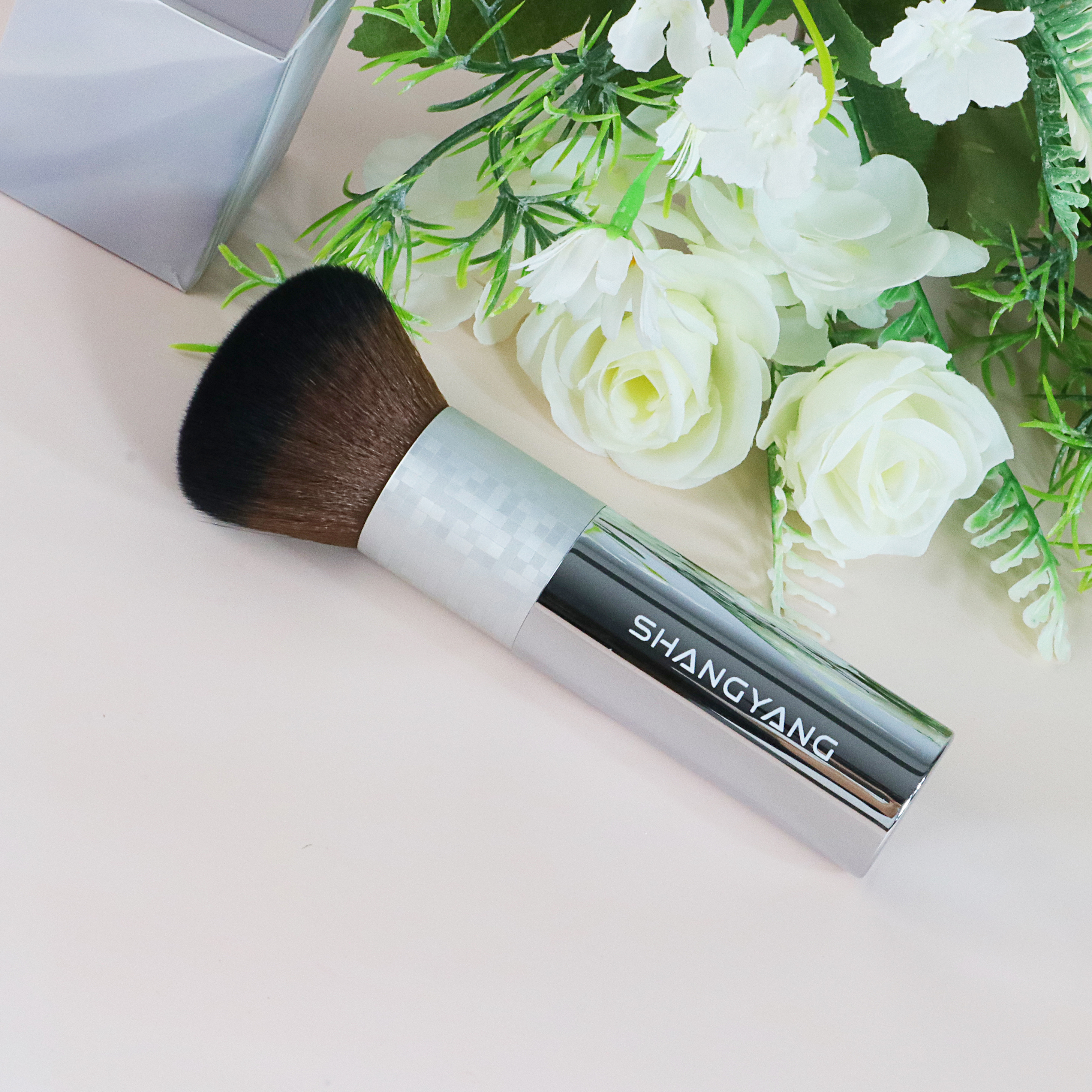
Modern consumers demand more than basic functionality from their makeup tools. They seek instruments that combine cutting-edge design with superior performance, creating seamless application experiences that rival professional makeup artistry. Beauty brands that recognize this shift and invest in developing distinctive brush collections position themselves advantageously in an increasingly competitive marketplace.
The strategic importance of brush innovation extends beyond mere product differentiation. When brands create unique applicator tools, they establish proprietary methods for achieving specific makeup looks, effectively building exclusive techniques around their cosmetic products. This approach creates a comprehensive ecosystem where brushes and cosmetics work synergistically to deliver superior results that competitors cannot easily replicate.
Contemporary brush manufacturing has witnessed remarkable advancements in synthetic fiber development, with materials engineered to exceed the performance characteristics of traditional natural bristles. These modern fibers offer superior pickup, blendability, and durability while maintaining the softness essential for comfortable application on facial skin. The precision-cut fibers create consistent product distribution patterns that ensure uniform coverage across various skin textures and tones.
Synthetic materials also provide significant advantages in terms of hygiene and maintenance, as they resist bacterial accumulation and maintain their shape through repeated washing cycles. This durability translates to longer product lifecycles, enhancing customer satisfaction and reducing replacement frequency. Brands incorporating these advanced materials into their brush designs demonstrate commitment to both performance excellence and user convenience.
Handle design represents a crucial yet often overlooked aspect of brush innovation that significantly impacts user experience and application precision. Contemporary handles feature ergonomic contours that reduce hand fatigue during extended use while providing optimal grip stability for controlled movements. Weight distribution optimization ensures balanced handling that facilitates smooth, steady strokes essential for professional-quality application techniques.
Materials selection for handle construction has evolved to incorporate lightweight yet durable composites that resist damage from cosmetic products and cleaning solutions. Surface textures and grip enhancements prevent slippage during use, while aesthetic elements such as gradient coloring and metallic accents create visually appealing tools that users proudly display in their makeup collections.
Successful beauty brands understand that creating exclusive brush collections generates significant competitive advantages by establishing unique market positions that competitors cannot directly copy. These specialized collections often feature proprietary bristle arrangements, distinctive handle designs, or innovative functionality that aligns specifically with the brand's cosmetic product formulations and application philosophies.
The development process requires careful consideration of target demographic preferences, usage patterns, and aesthetic sensibilities. Brands that invest in comprehensive user research and prototype testing create innovative face brushes that resonate strongly with their intended audiences while delivering tangible performance benefits that justify premium positioning and pricing strategies.
Private label manufacturing partnerships enable beauty brands to develop customized brush collections without substantial upfront investments in production infrastructure or specialized expertise. These collaborations provide access to advanced manufacturing capabilities, materials sourcing networks, and quality control systems that ensure consistent product excellence across production runs.
Customization options extend from basic aesthetic modifications such as color schemes and branding elements to comprehensive design alterations including bristle specifications, handle configurations, and packaging presentations. This flexibility allows brands to create truly distinctive products that reflect their unique brand identities while meeting specific performance requirements identified through market research and customer feedback analysis.
The arrangement and density of bristles within brush heads directly influence application characteristics, coverage patterns, and blending capabilities. Advanced manufacturing techniques enable precise control over bristle placement, creating optimized configurations that maximize product pickup efficiency while ensuring smooth, even distribution across skin surfaces.
Different bristle cutting techniques produce varied tip shapes that serve specific application purposes, from precision detailing to broad coverage applications. Tapered cuts create pointed tips ideal for targeted concealer application, while flat cuts produce broad, even surfaces perfect for foundation blending. Understanding these technical relationships enables brands to specify brush characteristics that complement their cosmetic formulations perfectly.
Maintaining consistent quality across brush production requires implementation of rigorous testing protocols that evaluate both performance characteristics and durability factors. These assessments include bristle retention testing, handle strength evaluation, and long-term performance analysis under realistic usage conditions.
Quality standards encompass not only functional performance but also aesthetic consistency, ensuring that each brush meets exact color specifications, surface finish requirements, and dimensional tolerances. Brands that establish comprehensive quality control frameworks build reputations for reliability and excellence that support premium market positioning and customer loyalty development.
The visual appeal of makeup tools significantly influences consumer purchase decisions, with aesthetically pleasing designs creating emotional connections that transcend purely functional considerations. Color psychology plays a crucial role in this dynamic, with specific color combinations evoking feelings of luxury, professionalism, or playful creativity depending on target demographic preferences.
Texture variations, metallic accents, and gradient effects contribute to the premium perception that justifies higher price points while creating Instagram-worthy products that generate organic social media marketing through user-generated content. Brands that successfully balance aesthetic appeal with functional excellence create tools that customers actively recommend to their social networks.
Consumers evaluate brush value through multiple criteria including initial performance, durability expectations, and overall user experience quality. Premium positioning requires demonstrating superior value across all these dimensions while communicating the specific benefits that justify higher investment levels compared to basic alternatives.
Educational marketing approaches that highlight technical innovations, manufacturing processes, and performance advantages help consumers understand the value proposition while building appreciation for the craftsmanship and expertise involved in creating high-quality tools. This understanding supports premium pricing strategies and reduces price sensitivity among target customers.
Choosing appropriate manufacturing partners requires careful evaluation of production capabilities, quality management systems, and innovation capacity to ensure alignment with brand objectives and performance standards. Established manufacturers with extensive experience in beauty tool production offer advantages in terms of technical expertise, material sourcing relationships, and quality assurance protocols.
Capacity planning considerations include minimum order quantities, production lead times, and scalability options that accommodate business growth projections and seasonal demand fluctuations. Flexibility in customization options and willingness to invest in new tooling for unique designs represent important factors in partnership decisions that affect long-term product development capabilities.
Protecting proprietary designs and innovations requires careful attention to intellectual property considerations throughout the manufacturing partnership process. Clear agreements regarding design ownership, manufacturing exclusivity, and confidentiality protection help prevent unauthorized replication of innovative features by competitors or unauthorized third parties.
Documentation of design specifications, testing protocols, and quality standards creates valuable intellectual property assets while establishing clear performance benchmarks for manufacturing partners. These assets support brand differentiation strategies and provide legal protection against infringement attempts by competitive entities.
Synthetic bristles offer several advantages including consistent performance characteristics, superior hygiene properties, and enhanced durability compared to natural alternatives. Modern synthetic materials are engineered to provide optimal product pickup and blending capabilities while maintaining softness and comfort during application. Additionally, synthetic bristles are more resistant to bacterial growth and maintain their shape through repeated cleaning cycles.
Ergonomic handles significantly improve application precision by reducing hand fatigue and providing optimal grip stability during use. Proper weight distribution and contoured shapes enable steady, controlled movements essential for professional-quality results. Well-designed handles also prevent slippage during application, ensuring consistent pressure and movement patterns that enhance blending and coverage uniformity.
Private label partnerships typically offer extensive customization including color schemes, handle materials, bristle specifications, and branding elements. Advanced manufacturers can modify bristle density, cutting patterns, and ferrule designs to create unique performance characteristics. Packaging customization, product sizing options, and exclusive design features are also commonly available through established manufacturing relationships.
Quality evaluation should include assessment of manufacturing facilities, quality control systems, and testing protocols used to ensure consistent performance. Sample evaluation, production capacity analysis, and reference checking with existing clients provide insight into supplier reliability and capabilities. Additionally, reviewing certifications, compliance standards, and intellectual property protection policies helps ensure alignment with brand requirements and legal obligations.
 EN
EN
 AR
AR BG
BG HR
HR CS
CS DA
DA NL
NL FI
FI FR
FR DE
DE EL
EL HI
HI IT
IT JA
JA KO
KO NO
NO PL
PL PT
PT RO
RO RU
RU ES
ES SV
SV CA
CA TL
TL IW
IW ID
ID LV
LV LT
LT SR
SR SK
SK SL
SL UK
UK VI
VI SQ
SQ ET
ET GL
GL HU
HU TH
TH TR
TR