
SHANGYANG TECHNOLOGY CO.,LTD
SHANGYANG TECHNOLOGY CO.,LTD
Professional makeup artists, beauty enthusiasts, and cosmetic brand buyers all share one universal challenge: keeping their brush sets in peak condition over time. Whether you work with high-volume clients in a salon environment or manage inventory for a retail cosmetics line, the way you care for your tools directly determines how long they perform at their best. Neglecting proper maintenance leads to bristle shedding, bacterial buildup, ferrule loosening, and ultimately, premature replacement costs that could easily be avoided with the right habits.
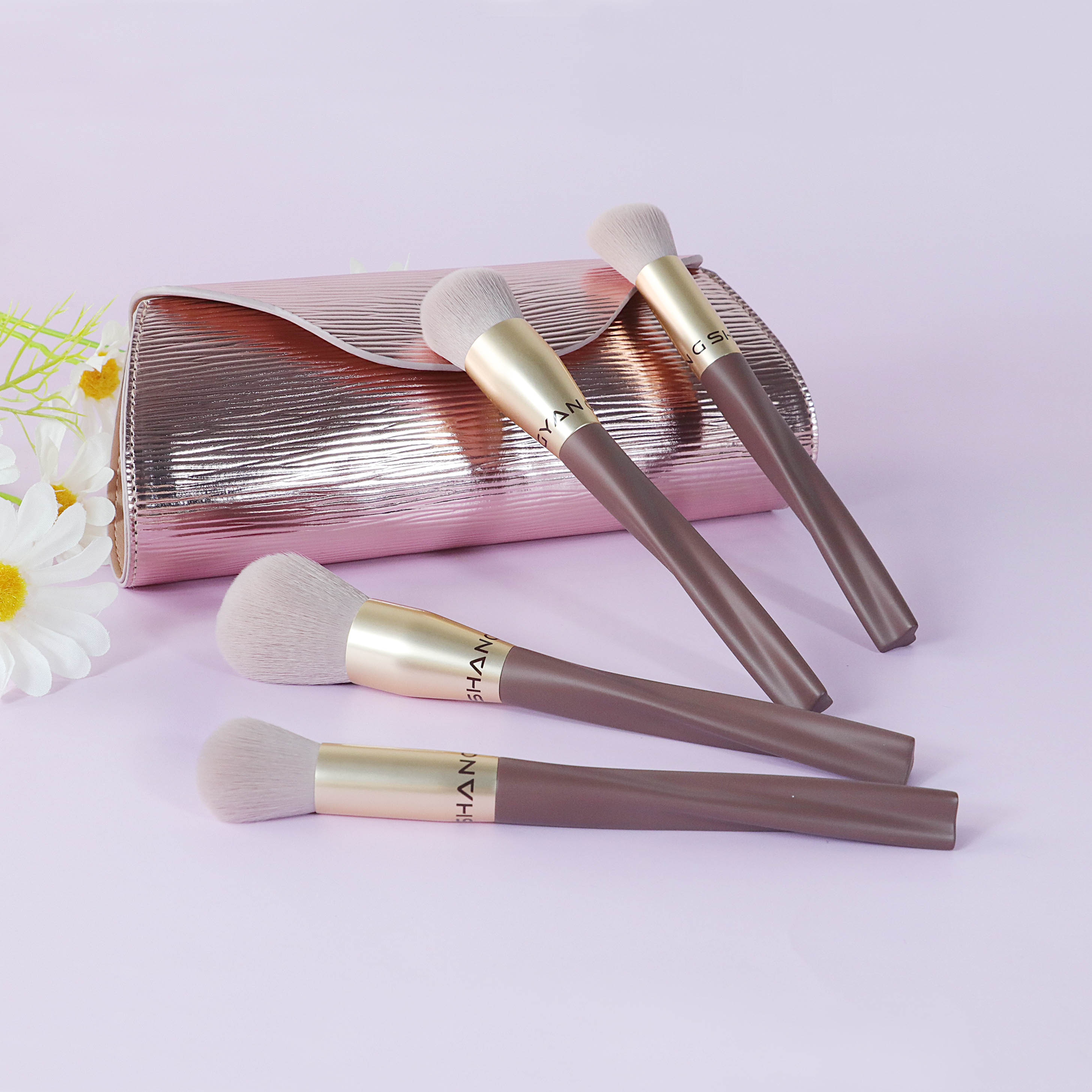
Understanding the correct methods for cleaning, drying, and storing brush sets is not merely good practice — it is a strategic investment in product longevity and hygiene standards. This guide walks through every critical aspect of brush maintenance, from daily cleaning routines to smart storage solutions, so that your brush sets can serve their intended lifespan without compromise. Whether you are a wholesale buyer sourcing professional tools or a makeup artist managing your own kit, these proven strategies apply universally.
One of the most significant threats to the integrity of brush sets is the progressive accumulation of makeup product residue within the bristles. Foundation, concealer, eyeshadow, and blush all contain oils, pigments, and binding agents that do not simply sit on the surface — they work their way deep into the bristle fibers with each use. Over time, this buildup hardens, causing individual bristles to stick together, lose flexibility, and eventually break under the mechanical stress of application.
Synthetic bristles and natural hair bristles respond differently to product residue. Natural hair brushes, such as those made from goat or squirrel hair, are particularly susceptible because the hair's cuticle structure traps pigment at the microscopic level. Synthetic fibers are more resistant but are still vulnerable to oil-based product buildup that can degrade the adhesive binding inside the ferrule — the metal collar that holds bristles in place. Understanding these material-specific vulnerabilities is the first step toward choosing the right maintenance approach for each type of brush in your collection.
Residue buildup also affects application performance long before visible damage becomes apparent. Brush sets that appear intact but carry heavy residue will apply makeup unevenly, blend poorly, and require more pressure from the user — which in turn accelerates physical wear. Regular cleaning prevents this invisible deterioration and maintains the consistent, professional-grade performance that quality brush sets are designed to deliver.
Beyond bristle damage, the structural components of brush sets — namely the ferrule and handle — are significantly affected by how brushes are stored between uses. Moisture is the most destructive force acting on these components. When brushes are stored upright in cups or containers immediately after washing, water seeps down through the ferrule and into the handle joint. This causes the adhesive that binds the ferrule to the handle to weaken, leading to wobbling, ferrule detachment, and ultimately a brush that is unusable regardless of bristle condition.
Wooden handles, which are common in professional-grade brush sets, are especially vulnerable to repeated moisture exposure. Wood absorbs water and expands, then contracts as it dries, creating micro-cracks in the lacquer finish over time. Once the protective coating breaks down, raw wood is exposed to bacteria and deeper moisture penetration, which can cause splitting and warping. Even handles made from resin or acrylic can suffer adhesive failure at the ferrule joint if they are consistently stored in damp conditions.
Physical pressure during storage is another underestimated risk. Stacking loose brushes in a drawer or tossing them into a bag without protection causes bristle deformation that becomes permanent when the brush dries in a bent position. For professional brush sets that represent a significant investment, improper storage is effectively slow-motion damage that compounds with each use cycle.
For makeup artists and professionals who use their brush sets on multiple clients or switch between products frequently throughout a session, daily spot cleaning is essential. Spot cleaning refers to the use of a fast-evaporating brush cleanser — typically alcohol-based — that quickly dissolves surface product without requiring full immersion or extended drying time. This method allows brushes to be sanitized and reused within minutes, making it the preferred approach in fast-paced professional environments.
The correct technique for spot cleaning involves spraying the cleanser onto a clean towel or pad rather than directly onto the brush, then sweeping the bristles back and forth in a gentle zigzag motion. This technique removes product from the surface without pushing residue deeper into the bristle core. It also prevents over-saturation of the ferrule area, which is the most damage-prone zone during any cleaning process. Using this method consistently between clients or between product changes will dramatically extend the effective life of your brush sets.
It is important to note that spot cleaning is a supplement to deep cleaning, not a replacement. Alcohol-based cleansers do not effectively remove oil-based products, deep-seated pigment, or bacterial colonies that develop over repeated use cycles. Brush sets that are only spot cleaned without periodic deep washing will still suffer from residue buildup — the process simply slows the accumulation rather than reversing it.
Deep cleaning should be performed on brush sets at least once per week for professional users, or after every five to ten uses for personal collections. The goal of deep cleaning is to dissolve and flush out accumulated product from the full depth of the bristle bundle without stressing the ferrule or distorting the brush shape. Using lukewarm — never hot — water is critical, as heat softens the adhesive compounds inside the ferrule and can cause bristle shedding even in high-quality brushes.
A gentle, sulfate-free shampoo or a brush-specific cleansing soap is the preferred medium for deep cleaning. Apply a small amount to the palm of your hand or a textured cleaning mat, then work the wet bristles in circular motions to lift residue from the inner layers. Always keep the brush angled downward during this process so that water flows away from the ferrule rather than into it. Rinse thoroughly under lukewarm running water, again keeping the angle downward, until the water runs completely clear.
After rinsing, gently reshape the bristle head with your fingers to restore the brush's original form. This step is often skipped but is genuinely important — brush sets that are left to dry without reshaping will often set in a distorted form that cannot be corrected once the bristles have dried. Lay the brushes flat on a clean towel to dry, or hang them bristle-side down if you have a brush drying rack, which allows residual water to drain away from the ferrule naturally.
Many users invest careful attention in cleaning their brush sets only to undermine that effort through improper drying. The drying phase is actually one of the highest-risk stages for ferrule damage. As mentioned, moisture pooling around the ferrule weakens adhesive bonds, and this is precisely what happens when brushes are stood upright in a cup to dry — gravity pulls water directly into the ferrule junction with every drop that rolls down the handle.
Flat drying on an absorbent towel remains the safest method for most brush sets. Lay brushes in a single layer with the bristle end slightly elevated using a rolled towel edge, allowing air circulation around the entire brush surface. Avoid drying brushes in enclosed spaces such as drawers, makeup bags, or brush rolls while still damp, as restricted airflow promotes mildew growth within the bristle core — a serious hygiene concern that is very difficult to fully reverse once established.
Drying time varies significantly based on bristle density and brush size. Large powder brushes with dense natural hair bristles may require 8 to 12 hours to dry fully, while synthetic liner brushes may be ready in 2 to 3 hours. Rushing the process with heat sources such as hairdryers is strongly discouraged — even moderate heat can melt synthetic fibers, scorch natural hair, and soften the adhesive inside the ferrule to the point of permanent failure. Patience during drying is one of the simplest, most overlooked ways to extend the life of quality brush sets.
The environment in which brush sets are dried has a measurable impact on both drying speed and hygiene outcomes. High-humidity environments such as bathrooms — where most people naturally store and clean their brushes — significantly extend drying time and increase the risk of mildew. If at all possible, move brushes to a drier, well-ventilated space for the drying phase, even if washing occurs in the bathroom. A simple practice of moving a drying rack to a bedroom window ledge or a desk near an open window can reduce drying time by half and dramatically improve hygiene outcomes.
Direct sunlight should also be used with caution during drying. While brief exposure to sunlight can help accelerate drying and provides natural antibacterial benefits, prolonged UV exposure fades handle lacquer, degrades synthetic bristle polymers over time, and can bleach natural hair bristles — particularly relevant for lighter-colored or undyed natural hair brush sets. The ideal drying location offers good airflow and indirect light rather than direct sun or artificial heat.
Once clean and fully dry, how brush sets are stored becomes the primary determinant of their ongoing condition between uses. Tossing brushes loosely into a makeup bag or drawer is one of the most common and damaging habits in both personal and professional contexts. Bristles that are compressed, bent, or crushed during storage may not recover their original shape — particularly natural hair bristles, which have memory but limited resilience against sustained deformation pressure.
Dedicated brush storage systems designed specifically for brush sets solve this problem by providing structured, individual compartments or slots that hold each brush upright or horizontally without contact between tools. Options range from desktop organizer cups and multi-pocket roll bags to hard-case brush holders that provide rigid protection during travel. For wholesale buyers and professional kit owners, investing in purpose-built storage is not an optional luxury — it directly extends the functional lifespan of every brush in the collection, reducing replacement frequency and total cost of ownership.
A well-designed brush sets organizer bag allows each brush to rest without pressure on neighboring tools, maintains bristle alignment during storage, and protects handles from impact or abrasion. For professionals who travel between locations, a structured case also provides the additional benefit of protecting ferrule joints from the mechanical stress of brushes shifting and colliding during transport — a frequently overlooked cause of premature ferrule loosening.
For brush sets that are not in daily active use — such as reserve stock in a wholesale or retail context — the storage environment itself must be actively managed. Temperature fluctuations cause repeated expansion and contraction of both natural and synthetic materials, which over time weakens adhesive bonds, loosens ferrule attachments, and causes handle finishes to crack. Storage areas with stable, moderate temperatures and low humidity are ideal for preserving unused brush inventory in showroom-ready condition.
Excess humidity in storage environments is particularly damaging because it promotes the slow infiltration of moisture into bristle cores, even without any active washing. Natural hair brushes stored in humid environments can develop a musty odor and degraded texture within weeks. Silica gel packets placed inside storage cases or organizer bags provide a simple and highly effective solution for controlling ambient moisture in enclosed storage environments, and represent a negligible cost relative to the value of the brushes being protected.
For professional studios or retail environments storing large quantities of brush sets, organizing brushes by type and frequency of use within clearly labeled, sealed storage containers adds an operational efficiency layer while also protecting inventory condition. Brushes that are retrieved and handled unnecessarily suffer wear to both bristles and handles, so minimizing unnecessary access to reserve stock is a legitimate part of long-term preservation strategy.
The most effective maintenance systems for brush sets are those that are simple enough to execute consistently rather than perfectly designed but rarely followed. A realistic schedule for professional use includes spot cleaning after every client or product change, a mid-week partial deep clean for the most heavily used brushes, and a full-kit deep clean once per week. Personal users can maintain excellent brush condition with a weekly full clean and daily spot cleaning during active use periods.
Including a brief inspection phase within your regular cleaning routine adds significant protective value at minimal time cost. While brushes are wet and bristles are visible at their most spread, examine each brush for early signs of shedding, ferrule movement, handle cracking, or bristle deformation. Catching these signs early allows you to adjust storage or handling practices before minor issues become terminal damage. Brush sets that receive this level of attentive care routinely outlast comparable tools that receive only cursory maintenance.
Documenting your cleaning and inspection schedule — even informally — helps identify patterns in premature wear that might otherwise go unnoticed. If certain brushes in a set consistently show faster deterioration, the cause is often specific to how that brush type is being used, stored, or cleaned rather than a general quality issue. This kind of systematic attention to your brush sets reflects a professional standard of tool management that pays dividends over time.
Even with exemplary maintenance, individual brushes within a set will eventually reach the end of their service life at different rates depending on their usage frequency and type. A flat foundation brush used daily will wear faster than a fan highlight brush used occasionally. Recognizing this normal variance and replacing individual tools strategically — rather than waiting to replace the entire set — is a practical approach that maximizes return on the investment made in quality brush sets.
When selecting replacement brushes to integrate into an existing set, prioritize matching bristle type, density, and handle length where possible to maintain consistent application performance across tools. Wholesale buyers sourcing replacements for professional kits should look for suppliers who offer individual brush purchasing options within their standard brush sets range, as this flexibility greatly reduces long-term procurement costs. The goal is to maintain a consistently performing kit rather than building a collection of brushes at inconsistent quality levels.
Professional makeup artists who use their brush sets on multiple clients daily should perform a full deep clean at least once per week, supplemented by alcohol-based spot cleaning between each client. For artists working in less intensive settings or on personal clients only, a deep clean every five to seven uses per brush is a reasonable standard that maintains both hygiene and bristle integrity without over-stressing the tools.
Bathrooms are not ideal long-term storage environments for brush sets due to persistent high humidity and temperature fluctuations from shower steam. While short-term daily storage in a bathroom is generally acceptable, brushes kept there permanently are at higher risk of bristle degradation, mildew development, and adhesive failure at the ferrule. Where possible, store brush sets in a drier bedroom or vanity area and move only the brushes needed for daily use into the bathroom.
Mildly deformed bristles in brush sets can sometimes be restored by gently wetting the bristles with lukewarm water, reshaping them carefully by hand, and allowing the brush to dry horizontally in the correct position. This works best for natural hair bristles, which respond to moisture and reshaping more predictably than synthetic fibers. Severely deformed or splayed bristles that do not return to shape after reshaping and drying typically indicate permanent structural damage, and the affected brush should be replaced.
Yes, purpose-designed organizer bags and cases make a measurable difference in the lifespan of brush sets. By preventing bristle-to-bristle contact, protecting ferrule joints from mechanical stress during transport, and maintaining stable storage conditions for handles, a well-designed organizer bag reduces the three main causes of premature brush deterioration outside of active use. For professionals managing expensive or high-volume tool collections, the cost of a quality organizer bag is recovered many times over through reduced brush replacement frequency.
 EN
EN
 AR
AR BG
BG HR
HR CS
CS DA
DA NL
NL FI
FI FR
FR DE
DE EL
EL HI
HI IT
IT JA
JA KO
KO NO
NO PL
PL PT
PT RO
RO RU
RU ES
ES SV
SV CA
CA TL
TL IW
IW ID
ID LV
LV LT
LT SR
SR SK
SK SL
SL UK
UK VI
VI SQ
SQ ET
ET GL
GL HU
HU TH
TH TR
TR