
SHANGYANG TECHNOLOGY CO.,LTD
SHANGYANG TECHNOLOGY CO.,LTD
In the competitive world of beauty and personal care, the skincare brush has evolved from a simple applicator tool into a precision instrument that directly influences product performance, user experience, and brand perception. Whether used for applying serums, masks, powders, or foundations, the brush a consumer holds in their hand is a direct reflection of the manufacturing standards behind it. Material quality sits at the heart of every reliable, effective, and safe skincare brush, and understanding why it matters is essential for brands, retailers, and procurement professionals who want to deliver real value to their customers.
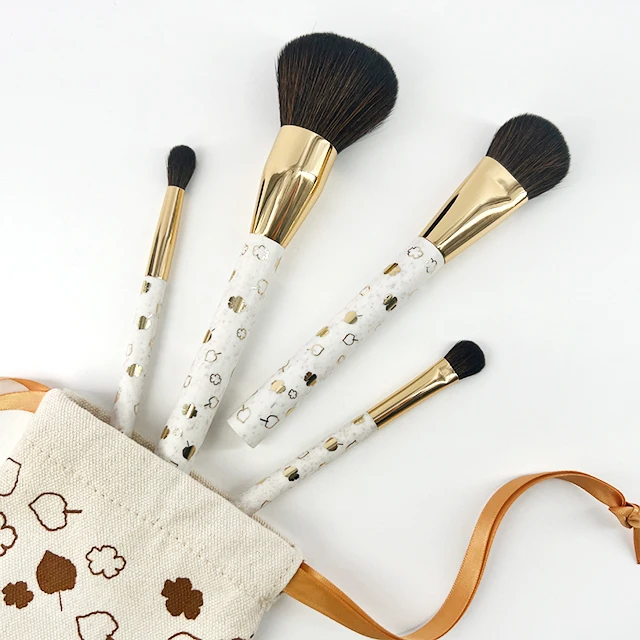
The manufacturing of a high-quality skincare brush involves far more than shaping bristles and attaching a handle. Every material decision — from the type of hair or synthetic fiber used for the bristles to the grade of metal in the ferrule and the composition of the handle — determines how the finished product performs on skin, how long it lasts, and whether it meets the increasingly stringent safety standards demanded by global markets. This article explores why material quality is not a secondary consideration in skincare brush manufacturing but rather the foundational driver of everything that follows.
The bristles of a skincare brush are its most functionally critical component, and the choice between natural hair and synthetic fiber shapes everything from product pickup to skin feel. Natural hair bristles, such as those sourced from goat, squirrel, or pony, have a cuticle structure that allows them to hold and distribute powder-based products with exceptional softness and blending precision. This makes them a preferred material in high-end cosmetic brush manufacturing where sensory experience is paramount.
Synthetic fibers, on the other hand, have undergone significant technological advancement in recent years. Modern synthetic bristles made from taklon or nylon can now replicate much of the softness and flexibility of natural hair while offering superior performance with liquid and cream formulations. Because synthetic fibers are non-porous, they absorb less product and are easier to clean, making them particularly suitable for skincare brush applications involving moisturizers, chemical exfoliants, or treatment serums where hygiene is critical.
The decision between natural and synthetic is not merely aesthetic — it carries significant implications for product safety, cruelty-free positioning, and international market compliance. Brands sourcing a skincare brush for Western markets increasingly demand certified cruelty-free materials, making premium synthetic fiber a strategically important material choice in modern manufacturing.
Beyond the base material, the density and softness grade of bristles in a skincare brush directly affect how the tool interacts with facial skin. Overly stiff bristles can cause micro-irritation, particularly for consumers with sensitive or reactive skin types. Insufficient density, on the other hand, results in poor product distribution and an uneven finish that frustrates the user and undermines the brand's perceived quality.
Manufacturers that take material quality seriously conduct rigorous testing on bristle softness using internationally recognized grading methods. A well-engineered skincare brush must pass softness benchmarks before being approved for production, ensuring that every unit reaching the consumer delivers the same tactile experience. This level of quality control requires not only sourcing superior raw materials but also maintaining consistent supplier standards across production batches.
Skin compatibility testing adds another layer of material scrutiny. Bristles must be free from harmful chemical residues, dyes that may bleed onto skin, or allergens that could trigger dermatological reactions. For manufacturers serving professional or medical-grade skincare markets, this level of material diligence is non-negotiable and must be documented through certified laboratory testing.
The ferrule is the metal collar that binds the bristles to the handle, and its material quality directly determines the structural integrity of any skincare brush over time. Low-grade ferrules made from poorly treated aluminum or inadequately coated metals are prone to corrosion, loosening, and bacterial contamination — all of which compromise both the tool's performance and the safety of the user. In contrast, ferrules made from high-quality brass, stainless steel, or premium-grade aluminum with appropriate surface finishes offer lasting durability and resistance to moisture exposure during regular washing.
One of the most common failures in low-quality skincare brush products is bristle shedding, which occurs when the ferrule loses its grip due to inferior crimping or weak material composition. This is not just a performance issue — shed bristles can contaminate skincare products, clog pores, or cause irritation. High-quality ferrule materials and precision crimping techniques are therefore essential manufacturing standards that directly protect end users.
For B2B buyers and brand owners, specifying ferrule material grade in their product requirements is a practical way to enforce quality standards during procurement. A manufacturer willing to document and certify the metal composition and surface treatment of their ferrules is demonstrating a commitment to material transparency that should be considered a baseline requirement.
The handle of a skincare brush contributes to the user's grip confidence, aesthetic perception, and environmental footprint. Handles are most commonly manufactured from wood, resin-based plastics, or biodegradable materials, and each choice carries distinct implications for quality, cost, and sustainability positioning. Wooden handles sourced from responsibly managed forests offer a premium tactile quality and natural aesthetic that resonates strongly with eco-conscious consumers. However, they require proper sealing and finishing to prevent moisture absorption and bacterial growth.
Resin and plastic handles offer greater flexibility in shape, color, and finish, allowing brands to customize the visual identity of their skincare brush line with precision. When manufactured using food-grade or cosmetic-grade materials, plastic handles are safe, lightweight, and cost-effective. However, the grade of plastic used matters enormously — low-quality plastics may contain plasticizers or stabilizers that are unsuitable for cosmetic product contact and can pose regulatory risks in markets with strict chemical safety standards.
Increasingly, manufacturers and brands are turning to bamboo or recycled material handles to meet sustainability commitments. These materials, when properly processed and finished, can match the performance of traditional options while significantly reducing environmental impact. For any brand positioning its skincare brush line around clean beauty or sustainability values, the handle material is a visible, marketable expression of those values.
In global markets, the safety of a skincare brush is governed by a complex web of regulatory frameworks, many of which focus specifically on the materials used in manufacturing. In the European Union, cosmetic tools including brushes must comply with the General Product Safety Directive, which requires that all materials be free from substances that could pose risks under foreseeable conditions of use. In the United States, the FDA's oversight of cosmetic accessories applies similar principles, while markets such as Japan and South Korea impose their own material safety standards.
Compliance begins with material selection. Manufacturers who source bristles, ferrules, and handle materials from certified, audited suppliers are far better positioned to meet these regulatory requirements than those relying on unverified, cost-driven supply chains. For brands importing a skincare brush from contract manufacturers, requesting material safety data sheets (MSDS), REACH compliance certificates, and heavy metal test reports is not an overly cautious step — it is sound commercial practice that prevents costly recalls and market access failures.
The reputational risk of a non-compliant skincare brush reaching the market is substantial. Consumer safety incidents related to brush materials — whether from allergic reactions, contamination, or chemical exposure — tend to generate significant media attention and lasting brand damage. Investing in superior material quality at the manufacturing stage is therefore both a safety obligation and a risk management strategy.
A skincare brush comes into repeated direct contact with facial skin, making its hygienic properties especially important. Materials that are porous, prone to moisture retention, or difficult to clean create environments where bacteria, mold, and fungi can proliferate — posing genuine health risks to regular users. This is why the hygienic characteristics of every material used in brush manufacturing must be evaluated as part of quality assurance.
Antimicrobial treatments applied to synthetic bristles, smooth non-porous ferrule surfaces, and moisture-resistant handle finishes all contribute to the overall hygiene profile of a well-manufactured skincare brush. These are not marketing embellishments — they are functional material choices that extend the usable life of the product while protecting consumer health. Manufacturers who invest in these material improvements are producing a genuinely superior product, not merely a more expensive one.
From the perspective of professional users — such as estheticians, makeup artists, and spa therapists — hygienic material standards are even more critical because their brushes are used on multiple clients. A professional-grade skincare brush must be able to withstand frequent cleaning with professional-grade sanitizers without degrading, shedding, or losing shape — a performance outcome that is only possible with rigorously selected, high-quality materials throughout the product.
The moment a consumer first holds a skincare brush, they begin forming a quality judgment that will influence their purchase decision, their likelihood of repeat buying, and their willingness to recommend the product. This initial tactile and visual impression is entirely a product of material quality. A brush with lustrous, uniformly trimmed bristles, a substantial and smoothly finished handle, and a neatly secured ferrule communicates craftsmanship and reliability without a single word being spoken or read.
Conversely, a skincare brush with rough bristle tips, a lightweight plastic handle that feels cheap, or visible glue residue around the ferrule immediately undermines consumer confidence. In a market where premium skincare brands invest significantly in packaging and product storytelling, an applicator tool that fails to match that standard becomes a liability rather than an asset. Material quality is the most direct path to delivering a product that lives up to its packaging promise.
For brands operating in the competitive midrange or premium skincare segments, the material standards of their brush tools are increasingly being scrutinized by informed consumers who research ingredients, production ethics, and material sourcing before making purchases. Transparency about material quality is becoming a brand differentiator, not just a manufacturing detail.
Consumer loyalty in the beauty tools category is largely built through consistent product experience over time. A skincare brush that maintains its shape, softness, and performance through months of regular use builds deep trust with the consumer — a trust that translates directly into repurchase behavior and positive word-of-mouth. This consistency is only achievable when material quality standards are enforced rigorously across every production batch, not just in samples or initial production runs.
Brands that establish clear, measurable material specifications for their skincare brush products — and hold their manufacturing partners accountable to those specifications through audits and incoming quality control — are systematically building a foundation for consumer loyalty. Those that treat material quality as a variable to be optimized primarily for cost efficiency tend to experience higher return rates, more customer complaints, and eroding brand equity over time.
The long-term commercial logic is clear: investing in superior material quality for a skincare brush is not a cost center — it is a brand equity investment. Every brush that performs as expected, lasts as long as promised, and feels as good on the hundredth use as it did on the first is actively strengthening the relationship between the brand and its consumers.
Bristle material determines how effectively a skincare brush applies and blends products, how soft it feels against skin, how easily it can be cleaned, and whether it poses any risk of irritation or allergic reaction. Natural and synthetic bristles each offer distinct performance advantages depending on the type of skincare product being applied, making material selection a critical manufacturing decision rather than an incidental one.
Skincare brush handles are commonly made from wood, plastic resins, bamboo, or recycled composite materials. Each material offers different trade-offs in terms of weight, grip, aesthetic finish, moisture resistance, and environmental sustainability. Premium handles often use sealed wood or high-grade resin to combine durability with a tactile quality that elevates the consumer experience.
B2B buyers should request material safety data sheets, bristle composition certificates, ferrule metal grade documentation, and third-party laboratory test reports covering heavy metals, REACH compliance, and microbiological safety. Factory audits, pre-production sample approvals, and ongoing batch testing are also effective mechanisms for enforcing material quality standards across a supply relationship.
Yes, material quality is the primary determinant of a skincare brush's usable lifespan. High-quality bristles resist shedding and shape loss over time, premium ferrules prevent loosening and corrosion during regular washing, and well-finished handles withstand moisture and mechanical wear. Inferior materials in any one component will accelerate the degradation of the entire brush, leading to shorter product life and lower consumer satisfaction.
 EN
EN
 AR
AR BG
BG HR
HR CS
CS DA
DA NL
NL FI
FI FR
FR DE
DE EL
EL HI
HI IT
IT JA
JA KO
KO NO
NO PL
PL PT
PT RO
RO RU
RU ES
ES SV
SV CA
CA TL
TL IW
IW ID
ID LV
LV LT
LT SR
SR SK
SK SL
SL UK
UK VI
VI SQ
SQ ET
ET GL
GL HU
HU TH
TH TR
TR