
SHANGYANG TECHNOLOGY CO.,LTD
SHANGYANG TECHNOLOGY CO.,LTD
Výběr správné továrny na štětky pro oční make-up pro vaše OEM projekty představuje jedno z nejdůležitějších rozhodnutí ve strategii dodavatelského řetězce vaší značky kosmetiky. Průmysl kosmetiky vyžaduje přesnost, kvalitu a spolehlivost, zejména pokud jde o jemné nástroje pro oční make-up, které přímo ovlivňují spokojenost zákazníků a pověst značky. Zkušená továrna na štětky pro oční make-up dokáže přeměnit váš záměr ohledně produktu na řešení připravená k uvedení na trh, která splňují jak estetické, tak funkční požadavky. Pochopení klíčových faktorů, které odlišují vynikající výrobce od průměrných dodavatelů, nakonec určí úspěch vaší řady make-up štětek pod vlastní značkou i dlouhodobý růst vašeho podnikání.
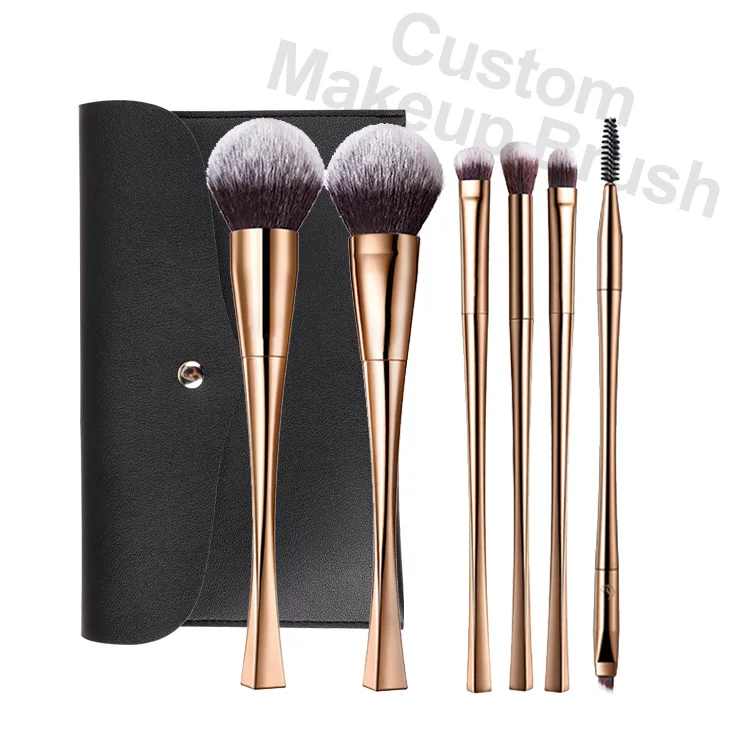
Při hodnocení potenciálních partnerů představuje výrobní kapacita základní kritérium, které přímo ovlivňuje vaši schopnost splnit požadavky trhu. Spolehlivá továrna na štětky pro oči by měla prokázat škálovatelné výrobní možnosti, které umožňují zpracování jak malých sérií pro testovací účely, tak rozsáhlých výrobních dávek pro již zavedené výrobkové řady. Moderní zařízení obvykle disponují několika výrobními linkami vyhrazenými pro různé kategorie štětek, čímž zajišťují efektivní pracovní postupy a dodržování stálých standardů kvality. Schopnost továrny zpracovávat objednávky různého rozsahu bez ohrožení dodacích lhůt nebo ukazatelů kvality svědčí o její provozní zralosti a schopnosti efektivního řízení zdrojů.
Pokročilé výrobní zařízení představuje další klíčový faktor při posuzování technických kapacit. V předních továrnách na výrobu štětců pro oči je provozována automatizovaná strojní výbava pro zalisování kovových pouzder, vkládání vláken a montáž rukojetí. Tyto technologické investice nejen zvyšují výrobní efektivitu, ale také zajišťují konzistentní specifikace výrobků ve velkých výrobních šaržích. Kromě toho umožňují počítačové systémy kontroly kvality reálný monitoring kritických parametrů, jako je hustota vláken, utahovací síla kovového pouzdra a celková rozměrová přesnost.
Komplexní protokoly zajištění kvality odlišují profesionální výrobce od základních montážních provozů. Uznávaná továrna na štětky pro oči uplatňuje vícestupňové kontrolní postupy, které začínají ověřením surovin a pokračují až do konečného balení výrobku. Tyto systémy obvykle zahrnují kontrolu příchozích materiálů, průběžní kontroly kvality během výroby a konečné hodnocení výrobků pomocí standardizovaných zkušebních protokolů. Dokumentace ukazatelů kvality poskytuje cenné poznatky o konzistenci výroby a pomáhá identifikovat potenciální příležitosti ke zlepšení.
Certifikace ISO a soulad s mezinárodními standardy kosmetického průmyslu ukazují závazek továrny k systematickému řízení jakosti. Mnoho renomovaných zařízení drží certifikáty, jako je například ISO 9001 pro systémy řízení jakosti a ISO 22716 pro dobré výrobní postupy v kosmetice. Tyto certifikace vyžadují pravidelné audity a iniciativy pro neustálé zlepšování, které OEM partnerům přinášejí vyšší spolehlivost výrobků a snížení podílu vadných kusů.
Rozmanitost a kvalita dostupných materiálů pro štětkové vlasy výrazně ovlivňují provozní vlastnosti dokončených štětek na oči. Kompetentní továrna na štětky na oči udržuje vztahy s prémiovými dodavateli jak přirozených, tak syntetických vláken, čímž umožňuje přizpůsobení podle konkrétních požadavků daného použití. Přirozené vlasy, jako jsou vlasy kozy, veverky nebo sobola, nabízejí vynikající schopnost nabírat práškové produkty a míchat je, zatímco syntetické alternativy poskytují konzistenci, odolnost a etické výhody, které lákají současné spotřebitele.
Pokročilá technologie syntetických vláken zásadně změnila výrobní proces výroby štětců pro oči, přičemž mnoho továren nyní nabízí vlastní směsi vláken, které kombinují různé vlastnosti materiálů. Tyto inovativní řešení umožňují dosáhnout jemnosti přirozené srsti spolu s přesností a dlouhou životností syntetických materiálů. Porozumění schopnostem továrny získávat vlákna a její schopnosti doporučit vhodné materiály pro konkrétní funkce štětců zajišťuje optimální výkon výrobku a uspokojení zákazníků.
Materiály používané pro výrobu rukojetí mají přímý vliv jak na estetickou přitažlivost, tak na funkční výkon štětců pro oči. Profesionální výrobci nabízejí širokou škálu materiálů, včetně různých druhů dřeva, hliníku, plastových kompozitů a premium alternativ, jako je bambus nebo recyklované materiály. Výběr materiálu pro rukojeť ovlivňuje faktory, jako je rozložení hmotnosti, pohodlí sevření a celková odolnost, a proto je nezbytné spolupracovat s továrnou na štětce pro oči, která tyto vztahy rozumí a dokáže poskytnout vhodná doporučení.
Kvalita kovového obrousku představuje další kritickou součást, která ovlivňuje životnost štětky a udržení vlasů. Kovové obrousky z hliníku nebo mosazi vyšší jakosti s vhodným povrchovým povlakem odolávají korozi a zachovávají svůj vzhled i po opakovaném použití a čištění. Zkušené továrny si uvědomují důležitost správné velikosti kovového obrousku a technik jeho stlačení (krimpování), které zajistí pevné uchycení vlasů štětky bez poškození jednotlivých vláken či vzniku slabých míst, jež by mohla vést k předčasnému selhání.
Komplexní služby v oblasti vývoje produktů odlišují dodavatele plných služeb od prostých provozů smluvní montáže. Pokročilá tovarna na štětky pro oči poskytuje poradenství v oblasti návrhu, vývoj vzorových kusů a testování výkonu, čímž pomáhá značkám vytvářet odlišné produkty. Mezi tyto schopnosti patří nástroje počítačového navrhování (CAD), systémy pro rychlý vývoj vzorových kusů (rapid prototyping) a rozsáhlé knihovny již existujících návrhů štětek, které mohou sloužit jako výchozí bod pro projekty vlastního vývoje.
Technická odbornost v oblasti geometrie štětky a umístění vlasů umožňuje výrobcům optimalizovat výkon štětek pro konkrétní aplikace. Faktory, jako jsou gradienty délky vlasů, variace hustoty svazků a úhly kolíčků, všechny přispívají k funkčním vlastnostem očních štětek. Spolupráce s továrnou, která tyto technické vztahy rozumí a je schopna převést marketingové koncepty na proveditelné technické specifikace produktů, výrazně zvyšuje pravděpodobnost úspěšného uvedení produktů na trh.
Moderní partnerství s OEM zasahují daleko za základní výrobu a zahrnují komplexní řešení pro značkování a balení. Významné továrny na výrobu očních štětek disponují vlastními kapacitami pro aplikaci loga, individuální barevné ladění a specializované dokončovací techniky, jako je laserové gravírování nebo teplé razítko. Tyto služby umožňují značkám vytvářet koherentní sortimenty produktů, které posilují jejich pozici na trhu a vizuální identitu napříč všemi kontaktními body.
Návrh a výroba obalů dále zvyšují hodnotovou nabídku integrovaných výrobních partnerství. Mnoho továren nabízí individuální řešení pro balení – od jednoduchých polyetylénových sáčků po složité dárkové sady s formovanými vložkami a premium dokončovacími detaily. Možnost koordinovat výrobu štětců s vývojem obalů optimalizuje dodavatelský řetězec a zajišťuje jednotné standardy kvality ve všech součástech výrobku.
Přístup na mezinárodní trhy vyžaduje dodržování různorodých regulačních rámců, které upravují výrobu a distribuci kosmetických nástrojů. To, že továrna na oční štětce splňuje všechny předpisy, znamená, že průběžně sleduje platné předpisy v klíčových trzích, jako jsou Spojené státy americké, Evropská unie a region Asie–Tichý oceán. Tato odborná způsobilost zahrnuje porozumění omezením týkajícím se materiálů, požadavkům na označování a protokolům bezpečnostních zkoušek, které zajistí, že výrobky splňují místní regulační požadavky.
Dokumentační a systémy sledovatelnosti podporují dodržování předpisů tím, že poskytují podrobné záznamy o zdrojích materiálů, výrobních procesech a činnostech kontroly kvality. Tyto systémy umožňují rychlou reakci na dotazy regulačních orgánů a usnadňují stahování výrobků v případě nutnosti. Kromě toho podrobná dokumentace podporuje opatření na ochranu značky tím, že prokazuje řádnou péči při výběru dodavatelů a řízení kvality.
Zvýšená povědomí spotřebitelů o etických a environmentálních otázkách vedlo k rostoucí poptávce po kráskařských výrobcích vyrobených odpovědným způsobem. Pokročilé továrny na výrobu štětců na oči uplatňují udržitelné postupy, jako je využití obnovitelných zdrojů energie, programy snižování odpadu a politiky zodpovědného získávání surovin. Tyto iniciativy nejen snižují environmentální dopad, ale také podporují marketingové aktivity značky tím, že poskytují autentické potvrzení udržitelnosti.
Praktiky v oblasti práce a pracovní podmínky představují další důležitý aspekt při výběru továrny. Renomovaní výrobci zajišťují transparentní provoz s férovými mezdami, bezpečnými pracovními podmínkami a vhodnými zaměstnaneckými výhodami. Auditům a certifikacím třetích stran od organizací jako jsou BSCI nebo WRAP lze věřit jako nezávislému potvrzení etických výrobních postupů a pomáhají značkám minimalizovat reputační rizika spojená s dodavatelskými vztahy.
Účinná komunikace tvoří základ úspěšných partnerství OEM, zejména při spolupráci napříč kulturními a jazykovými hranicemi. Profesionální továrna na štětky pro oči zaměstnává personál ovládající více jazyků, který je schopen vést technické diskuze, posuzovat technické specifikace a poskytovat pravidelné aktualizace projektu jasným a profesionálním jazykem. Tato schopnost snižuje riziko nedorozumění, které by mohlo vést k prodlení výroby nebo k problémům s kvalitou.
Porozumění kulturním rozdílům a povědomí o obchodních zvyklostech přispívá ke hladšímu průběhu projektů a budování vztahů. Zkušení mezinárodní výrobci si uvědomují důležitost dodržování termínů, udržování pravidelného komunikačního režimu a přizpůsobení svých procesů různým obchodním kulturám a očekáváním. Tyto tzv. měkké dovednosti se často ukazují jako stejně cenné jako technické schopnosti pro zajištění úspěchu projektu.
Moderní nástroje pro řízení projektů a komunikační platformy umožňují spolupráci v reálném čase a sledování průběhu v celém výrobním procesu. Vedoucí továrny na štětky pro oči využívají cloudové systémy, které poskytují zákazníkům přístup ke výrobním plánům, zprávám o kvalitě a aktualizacím týkajícím se dopravy. Tyto nástroje transparentnosti posilují důvěru a umožňují proaktivní řízení potenciálních problémů ještě před tím, než by mohly ovlivnit dodací lhůty.
Digitální vzorkování a schvalovací procesy zjednodušují vývojové cykly výrobků tím, že umožňují vzdálenou kontrolu a schválení prototypů a výrobních vzorků. Fotografie vysokého rozlišení, podrobné technické specifikace a nástroje pro virtuální spolupráci snižují potřebu fyzických vzorků a urychlují rozhodovací procesy. Tyto technologické možnosti se stávají zvláště cennými při správě více výrobních řad nebo při práci s geograficky rozptýlenými týmy.
Pochopení struktury nákladů a metodiky stanovení cen potenciálních výrobních partnerů umožňuje provádět informovaná rozhodnutí, která vyvažují požadavky na kvalitu s rozpočtovými omezeními. Transparentní továrna na štětky pro oči poskytuje podrobné cenové nabídky, ve kterých jsou rozepsány náklady na materiál, mzdy, náklady na nástroje a další relevantní faktory. Tato úroveň podrobnosti umožňuje značkám identifikovat příležitosti ke snížení nákladů a provádět informované kompromisy mezi funkcemi a cenou.
Cenové stupnice založené na objemu a dohody o dlouhodobém partnerství mohou poskytnout významné cenové výhody zavedeným značkám s předvídatelnými vzory objednávek. Mnoho továren nabízí postupné cenové stupnice, které odměňují větší objednávky a dlouhodobé závazky snížením nákladů na jednotku. Porozumění těmto cenovým strukturám pomáhá značkám optimalizovat své vzory objednávek a strategie správy zásob, aby dosáhly nejlepší celkové hodnoty.
Kromě počátečních výrobních nákladů vyžadují úspěšné vztahy se dodavateli zohlednění celkových nákladů vlastnictví, včetně problémů s kvalitou, zpoždění dodávek a požadavků na služby zákazníkům. Spolehlivá továrna na štětky pro oči tyto skryté náklady minimalizuje díky konzistentním standardům kvality, předvídatelným dodacím lhůtám a proaktivní komunikaci o potenciálních problémech. Hodnota snížených záruk, stížností zákazníků a složitosti správy zásob často odůvodňuje vyšší cenu za dodavatele vyšší kvality.
Hodnota dlouhodobého partnerství sahá dál než jednotlivé transakce a zahrnuje i trvalou podporu vývoje produktů, rozšiřování trhu a provozních zlepšení. Uzavřené vztahy s zkušenými výrobci poskytují přístup k odborným znalostem z odvětví, informacím o tržních trendech a technickým inovacím, které podporují růst podniku. Tyto nemateriální výhody významně přispívají k celkové hodnotové nabídce strategických dodavatelských partnerství.
Minimální objednací množství se výrazně liší v závislosti na požadavcích na personalizaci a složitosti výroby. U standardních návrhů štětců na oči se obvykle vyžadují objednávky ve velikosti 1 000 až 5 000 kusů na každý model, zatímco u plně personalizovaných produktů může být minimální množství 3 000 až 10 000 kusů. Mnoho továren vyrábějících štětce na oči nabízí vzorové množství 100–500 kusů za účelem testování, avšak tyto vzorky obvykle mají vyšší náklady na kus. Diskuze o požadovaném objemu již v rané fázi výběrového procesu pomáhá identifikovat továrny, které jsou schopny splnit vaše konkrétní požadavky.
Výrobní časové plány závisí na složitosti objednávky, požadavcích na přizpůsobení a aktuální kapacitě továrny. Standardní výrobky obvykle vyžadují 15–25 pracovních dní na výrobu, zatímco u individuálních návrhů může být potřeba 30–45 dní, včetně vývoje vzorku a schvalovacích cyklů. Zkušená továrna na štětky pro oči poskytuje podrobné výrobní harmonogramy, které zohledňují získávání surovin, výrobní procesy, činnosti kontroly kvality a požadavky na dopravu. Plánování rezervního času na neočekávané zdržení zajišťuje dostatečné zásoby pro spuštění produktu.
Komplexní systémy řízení kvality zahrnují kontrolu příchozích materiálů, monitorování v průběhu výroby a protokoly konečního testování výrobků. Vyhledejte provozy továren na výrobu štětců pro oči, které vedou dokumentované postupy řízení kvality, systémy statistické regulace procesů a záznamy o sledovatelnosti. Klíčové body kontroly zahrnují pevnost upevnění vlasů, kvalitu stlačení fólie (ferrule), konzistenci povrchové úpravy násady a celkovou rozměrovou přesnost. Továrny by měly poskytovat certifikáty kvality a zprávy o testování, které prokazují soulad s dohodnutými specifikacemi.
Ověření továrny by mělo zahrnovat audit zařízení, kontrolu referencí a přezkum certifikací. Požádejte potenciální partnery – výrobce štětců na oči – o podrobné informace o výrobním vybavení, systémech kontroly kvality a kvalifikaci zaměstnanců. Zprávy nezávislých třetích stran o auditu, zákaznické reference a odvětvové certifikáty poskytují nezávislé potvrzení výrobních kapacit. Virtuální prohlídky provozů a videokonference s klíčovými pracovníky nabízejí dodatečné poznatky o provozních postupech a firemní kultuře, pokud osobní návštěvy nejsou praktické.
 EN
EN
 AR
AR BG
BG HR
HR CS
CS DA
DA NL
NL FI
FI FR
FR DE
DE EL
EL HI
HI IT
IT JA
JA KO
KO NO
NO PL
PL PT
PT RO
RO RU
RU ES
ES SV
SV CA
CA TL
TL IW
IW ID
ID LV
LV LT
LT SR
SR SK
SK SL
SL UK
UK VI
VI SQ
SQ ET
ET GL
GL HU
HU TH
TH TR
TR