
SHANGYANG TECHNOLOGY CO., LTD.
SHANGYANG TECHNOLOGY CO., LTD.
У світі краси та засобів особистої гігієни дизайн пензлі для догляду за шкірою значно перевищує чисто естетичний аспект. Кожна лінія, щільність щетини, вага ручки та вибір матеріалу безпосередньо впливають на те, як кисть взаємодіє зі шкірою, як вона розподіляє засіб і, врешті-решт, на те, наскільки задоволеним почуває себе споживач після кожного використання. Бренди, які серйозно інвестують у дизайн, — це ті, що постійно створюють пензлі для догляду за шкірою продукти, здатні забезпечити професійні результати вдома або в салоні.
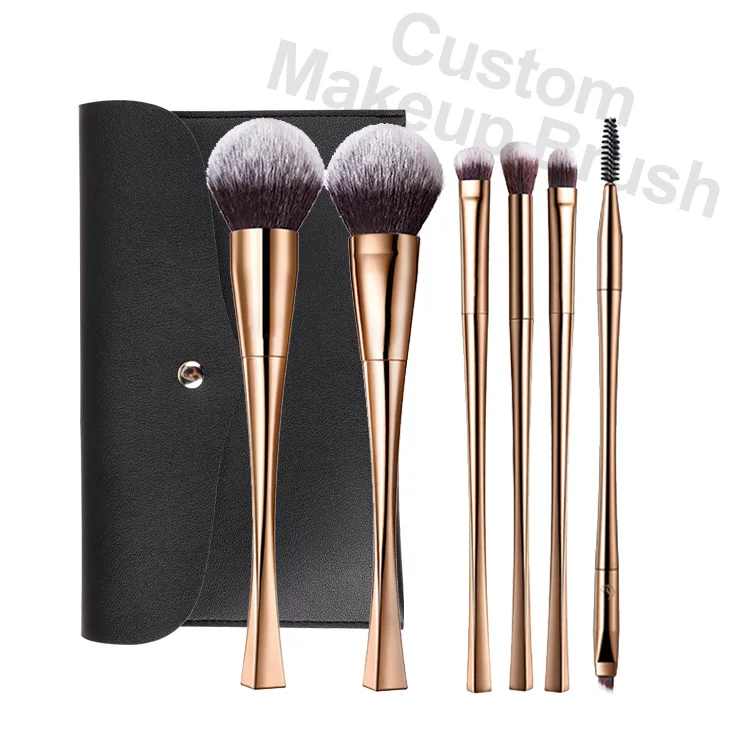
Розуміння зв’язку між продуманими дизайнерськими рішеннями та реальними показниками ефективності є обов’язковим для розробників продукції, брендів з приватною торговою маркою та підприємців у сфері краси, які прагнуть запропонувати надзвичайно якісні пензлі для догляду за шкірою на ринок. У цій статті розглядаються ключові аспекти проектування, що відрізняють звичайні щітки від справжніх інструментів високої продуктивності, і аналізується, як кожен елемент впливає на ефективність, довговічність, безпеку та користувацький досвід. Якщо ви здійснюєте закупівлю або розробку пензлі для догляду за шкірою , цей посібник допоможе вам прийняти розумніші рішення щодо проектування від самого початку.
Високопродуктивні пензлі для догляду за шкірою не виникають випадково. Вони є результатом системного проектного мислення, яке узгоджує фізичну структуру щітки з її передбаченим застосуванням. Незалежно від того, чи призначена щітка для нанесення сироватки, очищення пор, нанесення масок для обличчя чи розподілу тонального крему, кожне структурне рішення має служити саме цій конкретній меті. Щітка, спроектована без такого узгодження, може виглядати привабливо, але не виконувати свої функції, що призводить до поганого розподілу засобу, подразнення шкіри або швидкого зносу.
Рішення щодо дизайну впливають на все: від кута контакту щетинок із шкірою до рівня тиску, який користувач природним чином створює під час нанесення. Це не випадкові результати — це результати інженерної роботи. Коли дизайнери розуміють, як рухається людська рука, як шкіра реагує на контакт і як різні формули поводяться на поверхні щетинок, вони можуть створювати пензлі для догляду за шкірою які працюють стабільно й викликають відчуття преміального класу на дотик.
Бренди, які розглядають пензлі для догляду за шкірою як інженерно розроблені інструменти, а не просто косметичні аксесуари, отримують значну конкурентну перевагу. Продуманий дизайн зменшує частоту повернень товару, підвищує лояльність клієнтів і формує репутацію бренду як виробника високої якості. Для виробників OEM та приватних міток такий орієнтований на дизайн підхід є тим, що відрізняє товар масового виробництва від унікальної лінійки продуктів.
Користувацький досвід пензлі для догляду за шкірою формується на етапі проектування задовго до того, як будь-який продукт потрапить у руки споживача. Діаметр ручки, ступінь звуження ферули, м’якість щетинок та баланс між вагою головки кисті та вагою ручки — усе це впливає на те, наскільки інтуїтивно та приємно кисть відчувається під час використання. Добре спроектована кисть має відчуватися як природне продовження руки, дозволяючи досягти чудових результатів з мінімальними зусиллями.
Ергономічне проектування ручки є особливо важливим для пензлі для догляду за шкірою які використовуються в повсякденних ритуалах. Якщо ручка занадто ковзька, занадто тонка або погано збалансована, користувачі частіше застосовують нерівномірний тиск, пропускають окремі ділянки обличчя або відчувають втомленість рук під час тривалого використання. Ці проблеми зручності безпосередньо знижують сприйнятну цінність продукту. Дизайнери повинні ретельно розробляти й тестувати геометрію ручок, щоб остаточний продукт був одночасно зручним і точним.
Крім ергономіки, візуальне проектування пензлі для догляду за шкірою також відіграє роль у психології користувача. Щітка, що виглядає преміальною та добре виконаною, спонукає користувачів ставитися до своєї рутини догляду за шкірою як до ритуалу, а не до обов’язку. Цей емоційний аспект дизайну особливо важливий для брендів, що орієнтуються на споживачів, які прагнуть здорового способу життя, і пов’язують якісні інструменти з кращими результатами самодогляду.
. Щетина, мабуть, є найважливішою з точки зору експлуатаційних характеристик складовою будь-якого набору пензлі для догляду за шкірою . Матеріал щетини визначає, як щітка взаємодіє зі шкірою, як вона забирає та наносить засіб, як вона очищує, а також те, як довго зберігає свою початкову форму й м’якість. Вибір між синтетичними волокнами, натуральним волоссям та гібридними сумішами є одним із найважливіших дизайн-рішень, яке може прийняти виробник.
Синтетична щетина стала домінуючим матеріалом у сучасних пензлі для догляду за шкірою завдяки їхній універсальності, перевагам у плані гігієни та позиціонуванню як товарів, не пов’язаних із жорстоким поводженням із тваринами. Високоякісні синтетичні волокна можна спеціально розробити так, щоб вони імітували заострену м’яку текстуру натурального волосся, водночас забезпечуючи кращу стійкість до бактерій та поглинання вологи. Це робить їх ідеальними для кистей, що використовуються з рідкими сироватками, очищувальними гелями та іншими засобами для догляду за шкірою на водній основі, де гігієна має першочергове значення.
Щетинки з натурального волосся, хоча й стають усе менш поширеними у спеціалізованих засобах для догляду за шкірою, досі надають певних експлуатаційних характеристик, які важко відтворити за допомогою синтетичних волокон — зокрема щодо збирання та нанесення порошкоподібних засобів. Для засобів для догляду за шкірою на основі порошків, таких як мінеральні сонцезахисні засоби або фіксуючі пудри, натуральні волокна, можливо, й надалі забезпечують кращі результати при змішуванні. Правильний вибір щетини в кінцевому підсумку залежить від конкретного застосування, для якого пензлі для догляду за шкірою призначені ці продукти.
Крім матеріалу, фізична конфігурація щетинок суттєво впливає на те, як пензлі для догляду за шкірою вони працюють. Щільність щетинок — тобто кількість волокон, упакованих у головку кисті, — визначає, скільки продукту може утримувати кисть, який тиск передається на шкіру та наскільки рівномірно розподіляється продукт. Зазвичай більша щільність означає м’якше й більш розмите нанесення, тоді як менша щільність забезпечує більшу точність і контроль.
Заточення — це ступінь, у якій кожна окрема щетинка звужується до своєго кінчика. Добре заточені щетинки створюють м’якішу, більш сумісну зі шкірою контактну поверхню, зменшуючи ризик подразнення або мікропошкоджень. Це особливо важливо для пензлі для догляду за шкірою кистей, призначених для використання в чутливих зонах, наприклад, під очима або на шкірі, схильній до розширених капілярів (розацеї). Погано заточені щетинки з тупими або розтрісканими кінчиками можуть погіршити як комфорт, так і точність нанесення.
Профіль зрізу головки щітки — незалежно від того, чи є він плоским, куполоподібним, вентилятороподібним чи під кутом — визначає просторове покриття при нанесенні засобу. Кожен профіль має переваги в певних застосуваннях. Куполоподібна щітка добре підходить для змішування та розмивання, щітка з косим зрізом забезпечує точність при контурингу, а вентилятороподібна щітка наносить легкі шари на великі ділянки. Досвідчені дизайнерів пензлі для догляду за шкірою вибирають профіль зрізу з огляду на основний випадок використання, а не просто з урахуванням естетичних тенденцій.
Ручка щітки для догляду за шкірою є основною точкою контакту користувача з продуктом, тому її дизайн є критично важливим компонентом, що впливає як на ефективність, так і на сприйняття якості. Матеріали для ручок варіюються від легких пластиків, отриманих методом лиття під тиском, до бамбуку, алюмінію та ацетату. Кожен матеріал передає різне брендове повідомлення й має різні функціональні властивості. Наприклад, ручки з алюмінію створюють відчуття прохолоди та солідності в руці, що багато споживачів асоціюють із професійною якістю.
Ергономічна геометрія виходить за межі простого вибору круглого чи шестигранного поперечного перерізу. Оптимальна ручка для пензлі для догляду за шкірою розроблена з урахуванням зон захоплення, відповідного розподілу ваги та довжини, що відповідає призначенню й техніці застосування. Наприклад, щітка для нанесення засобів у зоні очей, де потрібен точний контакт, вигідно має коротшу й більш конусоподібну ручку, що забезпечує тонкий моторний контроль, тоді як щітка для очищення всього обличчя вигідно має довшу ручку, що сприяє виконанню ширших рухів.
Текстура та оздоблення поверхні також є частиною ергономічного дизайну ручки. Матові покриття, як правило, забезпечують краще зчеплення, ніж високоглянцеві поверхні, які можуть ставати ковзкими у вологих умовах ванної кімнати. Для пензлі для догляду за шкірою використання з водними продуктами або в рамках процедур прийняття душу цей практичний аспект може суттєво впливати на безпеку та задоволеність користувача з часом.
Ферула — це металева або пластикова облямівка, що з’єднує пучок щетинок із ручкою. Хоча її часто не враховують у дискусіях про пензлі для догляду за шкірою , ферула є одним із найважливіших конструктивних елементів у всьому рушнику. Погано спроектована або слабко обтиснута ферула дозволяє щетинкам ослаблюватися, випадати або утримувати вологу — все це погіршує як ефективність, так і гігієну.
Безшовні конструкції ферул є переважними у преміальних пензлі для догляду за шкірою оскільки вони усувають внутрішній зазор, де можуть накопичуватися вода й залишки продукту. Ця затримана волога може стати середовищем для розмноження бактерій і плісняви, що створює потенційні ризики для здоров’я шкіри. Безшовні ферули також сприяють більш витонченому візуальному вигляду, підсилюючи преміальне позиціонування кисті в очах споживача.
Вибір матеріалу ферули також має значення. Ферули з нержавіючої сталі стійкі до корозії й зберігають свою структурну цілісність протягом сотень циклів прання, що робить їх міцним вибором для пензлі для догляду за шкірою призначеного для тривалого щоденного використання. Алюмінієві ферули легші й можуть бути анодовані в різноманітних кольорах для відмежування бренду, хоча вони можуть бути трохи менш міцними за умов інтенсивного професійного використання.
Для брендів косметики, які замовляють продукцію під власною торговою маркою або за технологією OEM пензлі для догляду за шкірою індивідуальне проектування є як можливістю, так і відповідальністю. Конструкція щітки повинна не лише забезпечувати високу ефективність, а й передавати ідентичність бренду, його цінності та позиціонування на цільовому ринку. Колірні схеми, вибір матеріалів, розміщення логотипу та дизайн упаковки працюють разом, щоб створити цілісну історію продукту, яка знаходить відгук у цільового споживача.
Бренди, що орієнтуються на споживачів стійкої (екологічної) косметики, можуть вимагати ручок із бамбуку, вторинної упаковки та синтетичних щітінок, що не тестуються на тваринах, для своєї лінійки пензлі для догляду за шкірою . Бренди, що орієнтуються на ринок люкс-спа, можуть обрати важкі металеві ручки, покриття з ефектом «м’якого дотику» та елегантні монохромні колірні палітри. Це — не просто естетичні рішення: вони є стратегічними сигналами, що передають якість продукту та характер бренду в момент покупки й під час кожного подальшого використання.
Співпраця з виробником, що має можливості у сфері дизайну, дозволяє брендам розробляти індивідуальні рішення для щіток у всіх їхніх аспектах — від складу щетини до форми та оздоблення ручки. пензлі для догляду за шкірою щітки з повними можливостями індивідуалізації пензлі для догляду за шкірою Виробничого партнера з послугами OEM та приватної мітки, щоб реалізувати свою конкретну концепцію.
Щітки пензлі для догляду за шкірою має пройти суворе прототипування та випробування продуктивності перед серійним виробництвом. Прототипи дають змогу дизайнерам та командам брендів оцінити м’якість щетини, відчуття ручки, ефективність захоплення та вивільнення продукту, а також структурну міцність у реальних умовах експлуатації. Пропускання цього етапу — одна з найпоширеніших і найбільш витратних помилок у розробці щіток.
Випробування продуктивності для пензлі для догляду за шкірою повинні включати оцінку швидкості випадання щетинок, міцності кріплення ферули, стійкості до деформації після багаторазового прання та тестування безпеки для шкіри з використанням відповідних дерматологічних протоколів. Ці випробування не лише забезпечують відповідність кінцевого продукту заявленій функціональності, а й надають докази його якості, які можна використовувати в маркетингових комунікаціях та документації щодо відповідності регуляторним вимогам.
Ітеративне удосконалення конструкції на основі випробувань прототипів — саме те, що відрізняє високоефективні пензлі для догляду за шкірою від низькоякісних продуктів. Кожен цикл випробувань виявляє проблеми, які можна усунути до того, як вони перетворяться на скарги споживців або повернення товару. Бренди, які виділяють достатньо часу та коштів на етап створення прототипів, постійно досягають кращих результатів запуску продуктів та формують міцну репутацію товарів у довгостроковій перспективі.
Високопродуктивна косметична щітка відрізняється продуманим дизайном кожного компонента — матеріалу щетини, щільності щетини, ступеня заострення щетини, ергономіки ручки та конструкції ферули. Звичайні щітки часто надають перевагу візуальній привабливості або низькій вартості замість функціонального дизайну, що призводить до поганого розподілу продукту, дискомфорту або швидкого зношування. Високопродуктивні пензлі для догляду за шкірою щітки розроблені для забезпечення стабільного нанесення продукту, безпеки для шкіри та довговічності завдяки системному підходу до дизайну та вибору якісних матеріалів.
Правильний тип щетини залежить насамперед від формуляції продукту, для якого пензлі для догляду за шкірою розроблені для застосування. Синтетичні волокна є ідеальними для рідких та кремоподібних формул через їхню низьку вбиральність та гігієнічні властивості. Природні волокна можуть краще працювати з певними порошкоподібними формулами. Також врахуйте етичну позицію вашого бренду, оскільки синтетичні безжорстокі волокна відповідають очікуванням споживачів, орієнтованих на сталість, і зараз здатні відповідати або перевершувати продуктивність природних волокон у більшості застосувань у догляді за шкірою.
Ферула — це структурний і гігієнічний місток між пучком щетинок і ручкою будь-якої косметичної щітки. Погано спроектована ферула дозволяє вологі та косметичним засобам накопичуватися всередині щітки, створюючи умови для росту бактерій та випадання щетинок. Інвестиції в безшовну, стійку до корозії конструкцію ферули забезпечують те, що пензлі для догляду за шкірою залишатися гігієнічними, структурно міцними та естетично узгодженими протягом усього терміну їхнього корисного використання — що безпосередньо впливає на задоволеність клієнтів та репутацію бренду.
Так, конструктивні відмінності можуть суттєво впливати на стан шкіри. Недостатньо загострені або надто щільні ворсинки можуть спричиняти мікротравми або нерівномірний розподіл тиску, що потенційно подразнює чутливу або схильну до акне шкіру. Кисточка з недостатньо герметичним ферулом може стати середовищем для розмноження бактерій, які потрапляють на шкіру під час використання. Добре спроектовані пензлі для догляду за шкірою мінімізують ці ризики завдяки обережному вибору матеріалів, відповідній конфігурації ворсинок та гігієнічним методам виготовлення — що робить конструкцію справжнім чинником безпеки шкіри при використанні продукту.
 EN
EN
 AR
AR BG
BG HR
HR CS
CS DA
DA NL
NL FI
FI FR
FR DE
DE EL
EL HI
HI IT
IT JA
JA KO
KO NO
NO PL
PL PT
PT RO
RO RU
RU ES
ES SV
SV CA
CA TL
TL IW
IW ID
ID LV
LV LT
LT SR
SR SK
SK SL
SL UK
UK VI
VI SQ
SQ ET
ET GL
GL HU
HU TH
TH TR
TR